Casual Chic Linenwear Custom Manufacturing
Is Tencel Better Than Linen for Custom Clothing?
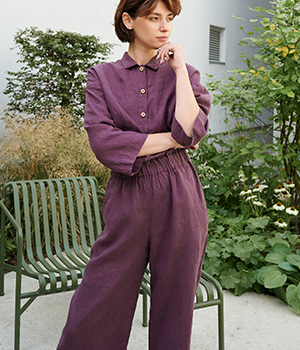
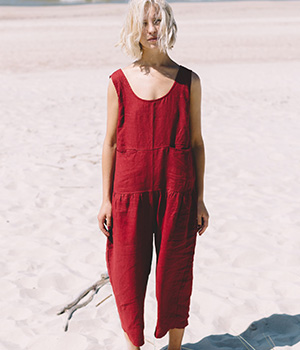
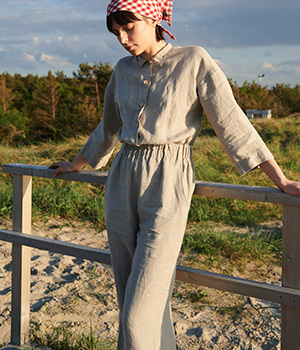
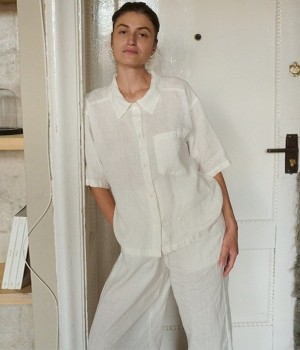
LINENWIND B2B SOURCING ANSWER Neither fiber is objectively better. Tencel (lyocell) is better than linen when your design depends on drape, wrinkle resistance, and an immediately soft hand feel; 100% linen is better when you need maximum breathability, a crisp structured silhouette, and linen's natural slub texture. For most custom clothing programs, the strongest answer is a blend: a 55/45 or 70/30 linen Tencel construction keeps the linen story and solves the wrinkle and stiffness complaints that drive retail returns. At LINENWIND, a Dongguan linen clothing factory with 20+ years of OEM/ODM experience, we produce both pure linen and linen Tencel programs with MOQ 60 pieces per style per color, counter samples in 7-12 days, and bulk production in 25-35 days. Linen wins. Flax fibers transport moisture away from the skin faster than lyocell, which is why pure linen is the classic hot-climate fabric. A linen-majority blend keeps most of this performance. Tencel wins. Lyocell is finer and more flexible, so garments fall with a silkier, heavier drape. Wide-leg trousers and fluid dresses are only truly achievable with a Tencel component. Tencel wins clearly. A 55/45 blend shows roughly half the visible creasing of pure linen in our sample evaluations. This single property drives most brand decisions to blend. Table reflects LINENWIND production parameters: both fabric types are pre-shrunk to a tested 3-7% first-wash range, and both follow MOQ 60, sampling 7-12 days, bulk 25-35 days. The reason the question has no single answer is that the two fibers are built differently. Linen comes from the flax plant's bast fiber, which is long, strong, and hollow, giving it unmatched airflow and a natural irregular texture that many consumers read as premium. Tencel is a regenerated cellulose fiber made from eucalyptus wood pulp in a closed-loop solvent process, which recovers and reuses the solvent instead of discharging it. The two are not competitors in the way cotton and polyester are; they solve different problems in different garment categories, which is why the practical conversation between a buyer and a factory is about ratios and end use, not about picking a winner. For a brand, the decision also interacts with your retail promise. A brand that markets "pure flax linen" cannot quietly switch a hero style to a Tencel-majority fabric without changing its label story. A brand that sells relaxed, drape-forward silhouettes can honestly say the blend makes the garment easier to wear and easier to care for. Both positions are legitimate; they simply point to different fabrics. Our sourcing advice to first-time buyers is to treat this as a specification decision: fix the silhouette, test two ratios as counter samples, and let the wear test on the actual pattern settle the argument. Cost differences are smaller than most buyers expect. In LINENWIND's cost structure, fabric is 30-45% of garment cost and labor is 25-35%; moving from pure linen to a 55/45 blend moves the fabric share toward the upper end of that range, which typically adds a low single-digit percentage to the finished garment price at retail. Tencel fiber itself costs more per kilo than flax yarn, and a blend requires a dedicated yarn-spinning setup, but those costs are partially offset because blend fabrics cut and sew faster with less edge fraying and seam slippage. Before you order: request the shrinkage test result on the counter sample (expect 3-7% pre-shrunk), confirm the exact blend ratio on your tech pack, and ask for the fiber certificate if you plan OEKO-TEX Standard 100 claims. LINENWIND holds ISO 9001, OEKO-TEX Standard 100 and SEDEX certification, and production is controlled to AQL 2.5. Planning a custom linen or linen Tencel collection? Send us your tech pack and we will quote within 48 hours. Sources: LINENWIND production records (MOQ, sampling, lead times, AQL 2.5), fabric library of 50+ linen specifications, ISO 9001 / OEKO-TEX Standard 100 / SEDEX certification documentation. Related: Linen Tencel Blend Fabric: Benefits, Cost and Best Uses for Custom Clothing · Is Linen Polyester Blend Good? · Is Linen Better Than Cotton? · Linen Fabric Types Explained
Is Tencel Better Than Linen for Custom Clothing?
Tencel vs Linen: The Five Dimensions That Decide
Breathability
Drape
Wrinkle Recovery
Side-by-Side Comparison Table
Property 100% Linen Linen Tencel Blend (55/45) Practical Winner Breathability Excellent Very good Linen Drape and flow Stiff, holds shape Silky, fluid Blend Wrinkle resistance Low Moderate-high Blend Durability Very high, 20+ year garment life High; cellulose fibers abrade over time Linen First-wash shrinkage 3-7% pre-shrunk 3-7% pre-shrunk, length slightly higher if untreated Equal when pre-shrunk Cost Lower Higher by low single-digit % Linen Environmental story Flax, low water, fully natural Closed-loop lyocell, wood pulp Both defensible How to Decide in Four Steps
1
Name the silhouette. Fluid, drape-dependent designs (wide-leg trousers, bias dresses, blouses) need Tencel. Crisp, structured designs (tailored shirts, chef jackets, workwear) need linen dominance.
2
Price the fabric share. In our cost structure, fabric is 30-45% of garment cost. A blend sits at the upper end; confirm your margin can absorb it before sampling.
3
Order two counter samples. A 70/30 and a 55/45 in your actual pattern, both credited against production. Sample fees are $40-150 and fully refundable; swatches are free.
4
Fix the care story. Cold wash, gentle cycle, line dry, warm iron. Never promise "zero wrinkles"; the blend reduces them, it does not remove them.
When to Choose Each: A Buyer Checklist
Choose 100% linen when: breathability is the hero feature, the design needs structure and crispness, your price point is tight, or your brand story is built on pure natural flax.
Choose a linen Tencel blend when: you sell dresses, blouses or loungewear, wrinkle complaints drive your returns, you need an immediately soft hand feel, or you want drape without heavyweight fabric.
Choose 70/30 linen-Tencel when: you want to keep the linen character dominant while reducing creasing in shirts and casual styles.
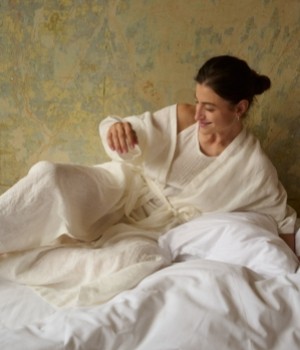
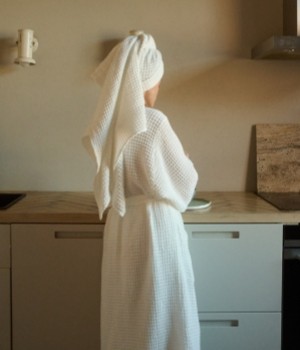
Choose 50/50 when: softness and drape matter more than the linen look, such as sleepwear, robes, and fluid dresses.
What the Choice Costs: Fabric, Sampling and Lead Time
Production and Lead Time for Either Choice
Quote: initial response 48h, detailed quote 3-7 working days
Counter sample: 7-12 days, fees $40-150 fully credited
Bulk production: 25-35 days, MOQ 60 pieces per style per color
First order: 35-60 days including sampling and QC
What to Send with Your First Inquiry
Three Common Misconceptions, Corrected