Casual Chic Linenwear Custom Manufacturing


Is Linen Better Than Cotton?
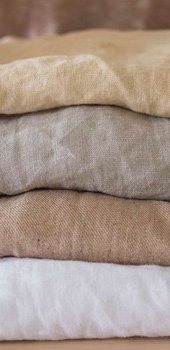
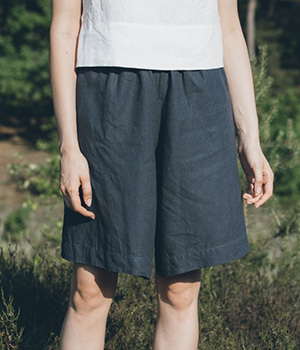
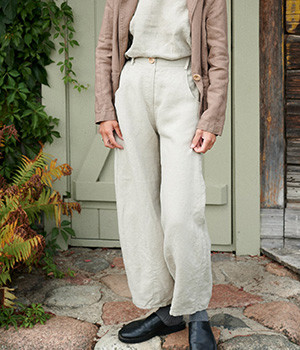
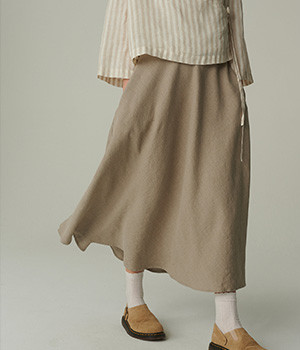
It depends on what you are optimizing for — but for most custom clothing brands, linen is the better fabric. The practical linen cotton difference comes down to four things: linen wins on breathability (it dries roughly 2x faster and absorbs up to ~20% of its weight before feeling damp, versus ~8–10% for cotton), on durability (about 30% stronger when wet and typically lasting 2–3x longer in repeated wear), and on sustainability (flax needs 60–80% less irrigation water than cotton). Cotton wins on first-wear softness, lower unit price, and wrinkle resistance. At Linenwind, our B2B clients ordering custom linen clothing for mid-premium, warm-weather markets most often choose linen — here is the full data-driven breakdown so you can decide for your own collection. Linen's hollow fiber structure wicks perspiration away from the skin and evaporates it quickly. It absorbs up to ~20% of its weight before feeling damp and dries about 2x faster than cotton, so garments stay cool and dry in hot, humid weather. Linen is one of the strongest plant fibers in textiles. It is about 30% stronger than cotton when wet and typically lasts 2–3x longer in repeated wear and washing. It softens and gains luster with age instead of looking worn out. Flax grows in poor soil, needs 60–80% less irrigation water than cotton, and requires far fewer pesticides. Every part of the plant is used, and linen is fully biodegradable. Linenwind's factory holds ISO 9001, OEKO-TEX Standard 100, and SEDEX, with GOTS on request. Cotton is soft and gentle from the very first wear, with no break-in period. Linen starts crisp and softens after washing. If your customers judge fabric quality purely by immediate plushness, cotton feels friendlier out of the bag. Raw cotton costs roughly 15–30% less per yard than comparable linen. For mass-market basics that must hit a low retail price point, cotton's cost advantage is hard to beat — although linen's higher retail premium usually offsets this at mid-premium price tiers. Cotton wrinkles less and holds its shape better through the day. It also tolerates hot machine washing and tumble drying more forgivingly. If your customers expect zero-wrinkle, low-effort care, cotton — or a linen-cotton blend — is the practical choice. Comparison is directional and based on fiber properties. MOQ figures are typical for OEM factories; Linenwind's 60-piece MOQ per style and color applies to custom linen clothing. Styles retailing above $80 with a quality or sustainability story should default to linen. Mass-market styles under $50 usually need cotton's lower cost to protect margins. Linen excels in warm, humid markets (Mediterranean, Southeast Asia, Australia, US Sun Belt). For cold-weather layering, cotton or blends are more practical. Decide whether wrinkles are acceptable and whether customers will machine-wash. If convenience is critical, choose a garment-washed linen or a linen-cotton blend at 55/45 or 70/30. With a 60-piece MOQ you can test several linen styles cheaply; at 300–500-piece MOQs you must bet on fewer styles. Match the fiber to the volume you can actually commit to. The fastest way to settle the question for your specific style is to compare swatches and samples side by side. Linenwind sends up to 10 free fabric swatches within 2–3 business days across pure linen and blends in 100–260 gsm and 30+ colors. Pre-production samples take 5–12 days (typically $60–$150, fully credited back on the bulk order), and bulk production runs 25–35 days after sample approval. For the most accurate comparison, include the same information you would for any OEM inquiry: the garment category, estimated quantities per style, size range and grading, target fabric weight, color references (Pantone if you have them), and your target FOB or EXW price range. With those details, the factory can quote linen and cotton versions of the same style side by side, and you can compare the two at an equal fabric weight instead of guessing from memory. If your answer is "a bit of both", blends are the practical middle path. Linen-cotton at 55/45 or 70/30 keeps most of linen's breathability while improving wrinkle recovery and first-wear softness, which makes it a strong choice for shirts and blouses worn in office-adjacent settings. Linen-viscose adds drape and fluid movement for dresses, and linen-rayon gives blouses a softer, more polished hand. Linenwind stocks pure linen and these blends in 100–260 gsm and 30+ colors — you can compare the hand feel of every option on real swatches, or browse our custom linen clothing range to see how each blend is used. Raw linen costs roughly 15–30% more per yard than comparable cotton, but linen garments typically retail at a 2–3x premium. For mid-premium brands the higher fabric cost is usually more than recovered at retail — and with a 60-piece MOQ, testing linen costs less than committing to a 300–500-piece cotton style at most factories. Yes, linen can shrink 3–7% on the first wash, which is why a competent linen factory pre-washes and shrinkage-tests every fabric lot and adds a pattern allowance before cutting. Always ask your supplier for the shrinkage test report before approving bulk production. Linen is naturally antibacterial, hypoallergenic, and highly breathable, which makes it a popular choice for next-to-skin categories such as camisoles, sleepwear, and loungewear. Customers with sensitive skin often prefer linen over synthetic blends and over cotton in humid conditions. Request free fabric swatches or send your tech pack for a pre-production sample. Our team responds within 1–3 business days with a quotation and timeline. Last updated: August 2026. Figures reflect Linenwind's current fabric range and production capacity. For styles with complex construction or specialized finishing, sample and bulk lead times may differ. Contact us for current scheduling availability.
Direct Answer
Is Linen Better Than Cotton?
30% stronger when wet
2x faster drying
60–80% less irrigation water
MOQ 60 pcs per style / color
Where Linen Is Clearly Better
Breathability & Moisture
Durability & Lifespan
Sustainability
Where Cotton Is Better
First-Wear Softness
Lower Unit Price
Wrinkle & Care Ease
Linen vs Cotton: Side-by-Side Comparison
Dimension Linen Cotton Breathability Excellent — hollow fibers move air freely Good, but less air circulation Moisture before feeling damp ~20% of its weight ~8–10% of its weight Drying speed ~2x faster Slow, holds moisture Wet strength ~30% stronger than cotton Weaker when wet Wear lifespan 2–3x longer in repeat wear/wash Degrades faster with washing First-wear softness Crisp, softens with washing Soft immediately Wrinkle resistance Wrinkles naturally Wrinkles less Water footprint 60–80% less irrigation water Water-intensive, even organic Raw fabric cost ~15–30% more per yard Lower per-yard cost Typical OEM MOQ 60 pcs at Linenwind 300–500 pcs at most factories How to Decide for Your Brand
1
Positioning and Price Tier
2
Climate and End-Use
3
Care Expectations
4
Volume and MOQ
When Linen Is NOT the Better Choice
Testing Linen vs Cotton at Linenwind
What About Linen-Cotton Blends?
Common Follow-Up Questions
Is linen more expensive than cotton?
Does linen shrink more than cotton?
Is linen good for sensitive skin?
Ready to Compare Linen vs Cotton for Your Collection?