What Is Linen Composition?
Linen composition means two things: the chemical makeup of the flax fiber itself and the fiber-content ratio of the finished fabric. At the fiber level, linen is a natural bast fiber made of roughly 70–80% cellulose, with the remainder split between hemicellulose (12–15%), lignin (2–5%), pectin (about 2%), plus small amounts of waxes, fats, and ash. At the fabric level, composition refers to what is actually in the cloth — 100% linen, or a blend such as 55% linen / 45% cotton or 70% linen / 30% rayon. This distinction matters to buyers because the fiber chemistry drives performance — strength, moisture absorption, hand feel, and biodegradability — while the fabric composition drives cost, care behavior, and how the garment can be labeled and marketed. This answer breaks down both levels with the numbers sourcing teams actually need.
Linen Fiber Chemistry: What a Single Flax Fiber Is Made Of
Linen fiber is extracted from the stem of the flax plant (Linum usitatissimum). Like cotton, it is a plant-based cellulosic fiber, but the proportions of its components differ, which explains why linen feels and behaves differently from cotton. The typical composition of a flax fiber is shown below.
| Component | Typical Share | What It Does in the Fiber |
|---|
| Cellulose | 70–80% | Main structural polymer; gives linen its strength, stiffness, and moisture-absorbing ability |
| Hemicellulose | 12–15% | Binds cellulose chains; contributes flexibility and water absorption |
| Lignin | 2–5% | Adds rigidity and natural color; partly removed during processing |
| Pectin | ~2% | Glues fiber bundles together in the stem; largely removed during retting |
| Waxes & fats | 1–2% | Provide surface softness and slight water repellency |
| Ash (minerals) | ~1% | Trace mineral content from the soil |
Ranges are typical published values for flax fiber composition and vary slightly by growing region, harvest year, and retting method. The high cellulose share is why linen is fully biodegradable and compostable.
Three Levels of "Linen Composition" Buyers Must Distinguish
Fiber Chemistry
The molecular makeup of flax fiber — mostly cellulose plus hemicellulose, lignin, pectin, waxes, and ash. This determines inherent performance such as wet strength and breathability. It is the same for essentially all linen fiber, though processing removes some components.
Fabric Fiber Content
What the finished cloth is made of, expressed as percentages: 100% linen, or blends like 55% linen / 45% cotton. This is what appears on the care label and must match the fabric's actual test result under EU Textile Regulation 1007/2011 and equivalent rules in other markets.
Label & Test Specification
The documented composition your supplier confirms — fiber content certificate, shrinkage data, and weight (gsm). Verifiable documentation is what turns a claim into a compliance-ready spec for EU and US retail.
What "100% Linen" Actually Means on a Label
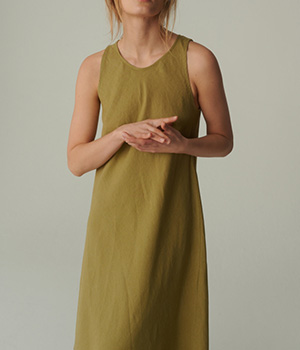
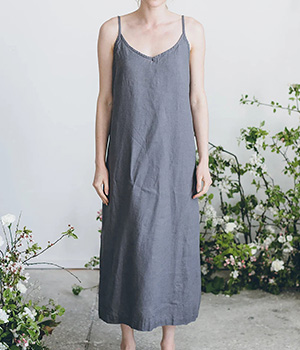
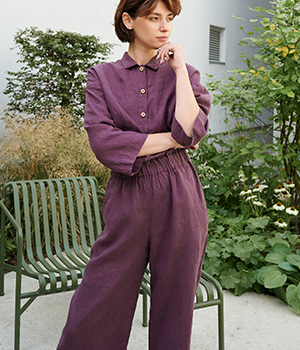
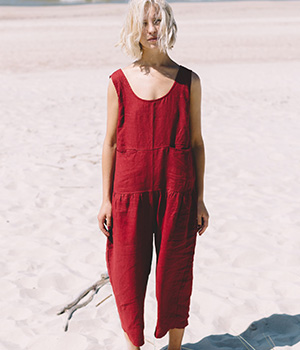
A fabric labeled 100% linen must be made entirely of flax fiber. In practice, small tolerances are permitted for decorative or reinforcing elements — for example, an elastic waistband or embroidery thread — but the main fabric must be pure linen. If any part of the garment body contains another fiber at a meaningful level, the label must state the blend ratio, such as 55% linen / 45% cotton or 70% linen / 30% viscose. Blended linen is common in garments because it reduces wrinkling, softens the hand feel, or improves drape — but it changes the product story, the care instructions, and often the price.
For buyers, the practical rule is simple: decide the composition in the tech pack, and require the supplier to confirm it with a fiber-content test report before bulk production. At Linenwind, the standard linen product library covers pure linen and linen blends across five weights from 100 to 260 gsm and more than 30 colors, so composition is specified precisely at the quotation stage rather than left vague. You can also read more about linen fabric basics in our sourcing guides.
How to Verify Linen Composition When Sourcing
1
Specify the Blend Ratio in Your Tech Pack
Write the exact composition, weight (gsm), weave, and finish. Do not write "linen" and leave the rest open — ambiguity at this stage is the main cause of composition disputes later.
2
Request a Fiber-Content Test Report
Ask for the fabric mill's test certificate showing cellulose fiber content per batch. A report from a recognized lab is stronger evidence than the supplier's word. This report is also what your compliance team will want for the EU or US market.
3
Order Physical Swatches First
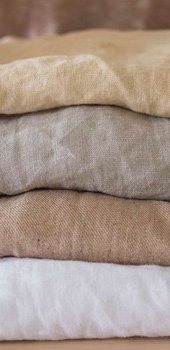
Feel the fabric before committing. Linen swatches are free at Linenwind (up to 10 per request, shipped in 2–3 business days). Burn testing in-house can give a quick read — pure cellulose fibers burn with a paper-like smell and soft ash — but a lab report remains the definitive check.
4
Confirm Label Compliance for Your Target Market
EU markets require fiber composition on the label under Regulation 1007/2011; the US uses FTC textile fiber rules. Confirm the final label wording with your supplier before bulk production so re-labeling costs are avoided.
5
Lock the Composition in the Production Contract
Put the approved composition, test report, and tolerance (for example, shrinkage 3–5% after first wash) into the order documents. This protects both sides and makes the final inspection objective.
Common Linen Compositions and When to Use Them
| Composition | Characteristics | Best For |
|---|
| 100% linen | Maximum breathability, crisp drape, natural slub texture, strongest sustainability story | Premium shirts, dresses, resortwear, summer collections |
| 55% linen / 45% cotton | Softer hand feel, fewer wrinkles, easier care; keeps most of linen's breathability | Everyday shirts, dresses, relaxed separates |
| 70% linen / 30% viscose (rayon) | Fluid drape, reduced creasing, smooth surface | Dresses, skirts, blouses with movement |
| Linen / Tencel blends | Silky touch, eco-positioned, excellent drape | Designer-led sustainable collections |
| Linen / hemp blends | Very durable, rustic texture, strong natural story | Workwear-inspired and niche sustainable lines |
Blend ratios beyond these are possible; the right choice depends on silhouette, target retail price, care expectations, and the brand's fiber story. Linenwind's development team recommends 2–3 options per style during sampling so brands can compare hand feel before committing. See the full FAQ center for more answers on linen sourcing and production.
Sourcing Checklist for Linen Composition
Exact blend ratio written in the tech pack (e.g., 100% linen or 55/45)
Fiber-content test report provided for the production batch
Weight (gsm) confirmed against specification
Shrinkage tested and allowance built into the pattern
Label wording verified for EU and/or US compliance
Care instructions matched to the actual blend
Supplier certifications available (ISO 9001, OEKO-TEX, SEDEX)
Physical swatch approved before bulk ordering
How Composition Affects Garment Performance
Moisture & Cooling
Cellulose-rich linen absorbs up to about 20% of its weight in moisture and dries roughly twice as fast as cotton, keeping wearers cool in humid conditions. Higher linen content means stronger cooling performance.
Strength & Durability
Linen's high cellulose content makes it 30–40% stronger wet than cotton, and garments typically last 200+ washes. Adding cotton or rayon improves softness but reduces this wet-strength edge.
Hand Feel & Wrinkling
Pure linen is crisp and creases naturally; blends with cotton, viscose, or Tencel drape softer and wrinkle less. Choose based on whether the brand story celebrates the natural crease or promises easy care.
Need help choosing the right linen composition for your collection? Send your tech pack or design concept to Linenwind — we will recommend 2–3 fabric options with exact blend ratios, weights, and test data, and confirm the composition before sampling begins.
Send Your Inquiry to Linenwind
Sources: Linenwind production records and fabric library (3 factories in Dongguan, 130+ employees, ~60,000 pcs monthly output, 5 weights 100–260 gsm, 30+ colors; ISO 9001 / OEKO-TEX Standard 100 / SEDEX certified). Flax fiber composition ranges follow standard textile literature for bast fibers; EU fiber labeling per Regulation (EU) 1007/2011; US fiber labeling per FTC Textile Fiber Products Identification Act.