Casual Chic Linenwear Custom Manufacturing
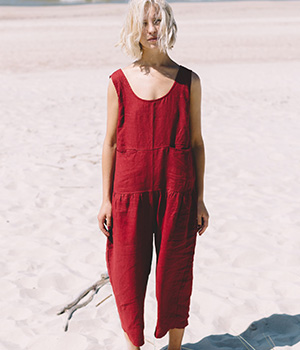
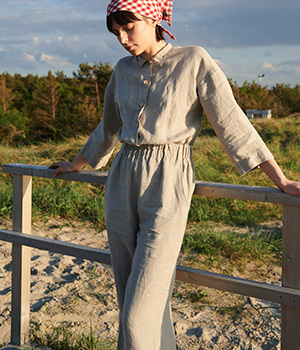
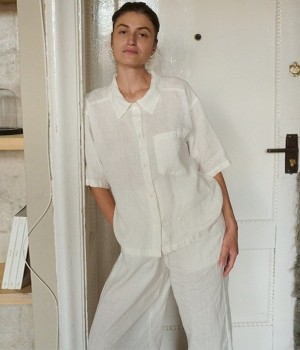
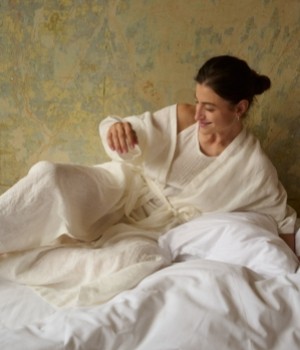
What Should Spa and Wellness Brands Look for in Linen Uniforms?
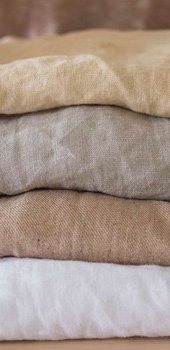
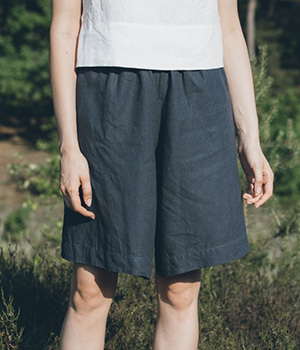
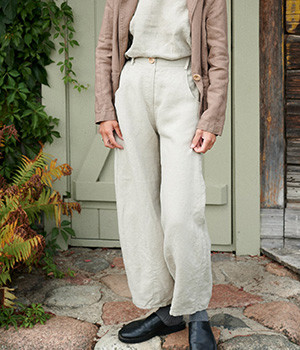
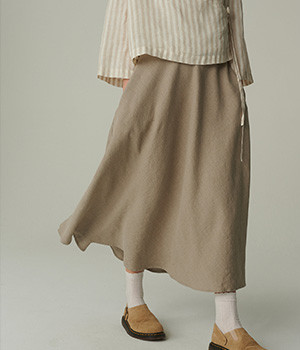
Direct Answer A spa or wellness brand should specify five things before ordering linen uniforms: the fabric weight and weave for each role, the wash and colourfastness standard the garment must survive, the softness and skin-comfort level the team will actually accept, a size range that covers the real workforce including men and taller or petite staff, and a branding package that will still look right after fifty washes. In practice that means a soft washed or enzyme-finished linen of roughly 150-180 GSM for treatment-room tunics, 140-170 GSM for wrap tops and robes, 180-220 GSM for trousers and 200-260 GSM for aprons used in wet or heavy-use areas; a pre-shrunk fabric with first-wash shrinkage held to 3-7 percent; colourfastness tested against the laundry cycle the uniforms will really face, not a domestic one-off; and a pattern cut to the post-wash dimension. Linenwind produces linen uniforms against a minimum order quantity of 60 pieces per style per colour, with counter samples in 7-12 days, bulk production in 25-35 days and a first order of roughly 35-60 days. This answer sets out what to check, in what order, and where uniform programmes usually go wrong. The wider material case is in our notes on whether linen is suitable for work clothes, and the hospitality side of the same category is covered in linen uniform manufacturing for hospitality brands. Most uniform problems that surface after delivery trace back to a decision that was never made explicitly at the specification stage. These five cover the vast majority of them, and each one is cheap to decide and expensive to fix later. Weight decides comfort, drying time and how the garment holds shape. Light weights feel cooler and dry fast but can go transparent in pale colours; heavy weights resist abrasion but feel warm on the shoulders and take longer to dry. A spa uniform may be laundered after every shift. Shrinkage, colour change and seam strength after repeated washing matter more than how the garment looks in the sample bag. The tunic is worn against bare forearms and neck for a full shift. A washed or enzyme finish is what turns linen's properties into something a therapist wants to keep on. A wellness team is not a fashion size run. Women's and men's or unisex fits, two lengths and an adjustable waist solve most issue-room problems without adding sizes. Small embroidery with a cut-away backing, one or two thread colours, plus a woven main label, a compliant care label and a soft size label so nothing irritates the neck. A sealed reference sample, an approved colour standard and a measurement sheet are what make the second and third orders match the first. Ranges are starting points for a wellness programme, not fixed rules. A site with a hot treatment room and a light wash cycle can go lighter; a site with a contract laundry and heavy turnover should go heavier. Two specification details decide whether those weights perform. The first is pre-shrinking: the pattern must be cut to the post-wash dimension so the uniform the team receives is the uniform it keeps. The second is the colour standard. Wellness palettes are usually muted and low-chroma, and undyed or very pale shades show body oils and product residue, so they belong in reception and retail rather than treatment rooms. Ask for a lab-dip or sealed standard per shade and a stated tolerance for colour change across repeat orders. Certification deserves its own line. The documents that matter for a wellness uniform programme are ISO 9001 for quality management, OEKO-TEX Standard 100 for harmful substance limits on the finished textile, and SEDEX membership for ethical trade and labour practice. Ask to see them and verify each one with the issuing body rather than accepting a summary, and treat organic claims as a chain-of-custody question rather than a fibre question. Our guide to linen manufacturer certifications explains what each covers and how to check it. Sampling is charged at roughly 40-150 US dollars depending on complexity and is refundable against the bulk order; fabric swatches are free. Quotes are issued within 3-7 working days with an initial reply inside 48 hours. Plan the programme about four months before the uniforms are needed on site, which leaves room for one fit revision and a pre-production sample. The minimum order structure is explained in our answer on the minimum order quantity for custom linen clothing. Three mistakes that cost the most. Ordering the same fabric used for retail dresses, which is usually too crisp and too light for shift wear. Approving the garment only as a counter sample, without a wash-tested reference. And specifying undyed or off-white linen for treatment and wet areas, where it will show every oil mark by the end of the first week. Send us your roles, style references, fabric and colour direction, size range and quantities, and we will come back with fabric options, a sample plan and a costing. Figures in this answer are Linenwind's published manufacturing parameters for linen uniform programmes: MOQ 60 pieces per style per colour, sampling 7-12 days within a 7-14 day window, bulk production 25-35 days, first order 35-60 days, first-wash shrinkage 3-7 percent, fabric weights from about 100 to 260 GSM, more than 50 fabric specifications held in stock, AQL 2.5 inspection, and certification coverage including ISO 9001, OEKO-TEX Standard 100 and SEDEX membership.
What Should Spa and Wellness Brands Look for in Linen Uniforms?
The Five Things to Specify First
Fabric weight and weave
Wash durability
Softness and skin comfort
Size coverage
Branding and labels
Documentation
Fabric Weight by Role: A Starting Specification
Role Weight Weave and finish What it protects against Therapist and treatment team 150-180 GSM Plain weave, enzyme or washed Damp clinging, restricted shoulder movement Wrap tops and robes 140-170 GSM Plain weave or gauze, washed Stiffness on bare skin, heavy drape Reception and front of house 160-190 GSM Plain weave, lightly washed Creasing in a client-facing role Uniform trousers 180-220 GSM Plain or twill, washed Bagging at knee and seat Aprons and wet-area wear 200-260 GSM Twill or heavy plain, washed Abrasion, frequent laundering, staining How to Evaluate a Supplier for a Uniform Programme
1Ask for the fabric specification in writing. Weight in GSM, weave, finish, fibre content and shrinkage figures for warp and weft. A supplier who cannot state these numbers cannot control them.2Ask what happens after fifty washes. Request colourfastness and appearance-after-laundering results, and ask which test conditions were used. Repeated-wash data is the difference between a uniform and a disposable garment.3Sample two sizes and fit them on real staff. Fit the smallest and largest people who will wear the block, then adjust the pattern before grading. This single step prevents most exchange requests. Our notes on how long sampling takes explain what a realistic revision cycle looks like.4Agree the defect list and inspection method. Uniforms are inspected to the same standard as retail garments, normally AQL 2.5, but the list of what counts as a major or minor defect should be agreed for uniforms specifically. See what inspections are done during production.5Confirm the label and branding package. Placement, thread colour, backing type and care label content should be approved on an embroidered sample, not on a flat drawing. The question of whether a manufacturer can add your logo and labels covers the options.6Check the re-order mechanism. Ask where the sealed sample, colour standard and measurement sheet are kept, and how a repeat order is priced. A uniform programme lives on its second and third order.Pre-Order Checklist
Fabric weight agreed per role, in GSM
Shrinkage stated as 3-7 percent, pattern cut post-wash
Colour standard sealed and tolerance defined
Wash temperature and bleach policy confirmed
Size range covers women's, men's or unisex and two lengths
Embroidery size, placement and backing approved on a sample
Care label content checked against your market requirements
Inspection standard and defect list agreed in writing
MOQ, Sampling and Lead Time
MOQ
60 pieces per style per colour, workable for a single-site spaCounter sample
7-12 days, plan for a 7-14 day windowBulk production
25-35 days after sample approvalFirst order
Roughly 35-60 days from brief to shipment