Casual Chic Linenwear Custom Manufacturing
Is Linen Suitable for Work Clothes?
Yes. Linen is suitable for work clothes when the fabric weight, weave, finish, fit and care routine are matched to the role. A 150-180 gsm mid-weight linen works for office shirts and blazers, heavier 200-240 gsm linen suits hospitality and culinary uniforms, and linen blends add wrinkle resistance for all-day wear. This guide explains which linen workwear works for which job, what to specify, and how to order it in bulk. Linen is a natural bast fibre with hollow, irregular yarn structure, which is why it moves heat and moisture away from the skin faster than cotton. For work environments that involve movement, standing, or temperature swings, that moisture management matters. The key limitation is not breathability but wrinkle recovery and abrasion resistance, and both are managed at the fabric and garment specification stage rather than being fixed properties of linen itself. For fashion brands, the practical question is not "does linen wrinkle" but "which linen construction should I specify for this job role". A plain-weave 160 gsm linen shirt behaves differently from a 220 gsm twill linen apron, and both are legitimate workwear options with different price points and care needs. Linen also ages well in a workwear context. Unlike synthetic uniforms that pill or develop an oily sheen over time, linen softens with each wash while keeping its colour depth, which is why many hospitality and wellness brands choose it for employee uniforms that need to look premium for 12-24 months of daily use. Mid-weight 160-190 gsm linen shirts, blazers and trousers work well for business casual and smart-casual dress codes. Choose a linen-cotton or linen-rayon blend for higher wrinkle resistance on long desk days. Heavier 200-240 gsm linen aprons, chef jackets and server shirts withstand frequent washing. Linen's absorbency and airflow suit kitchens and dining rooms where staff move constantly. Linen uniforms project a natural, premium brand image in boutiques, salons and hotel front desks. Garment-washed linen softens quickly while keeping a clean silhouette. Weights are starting points for sampling. LINENWIND confirms the target weight, weave and finish with a pre-production sample before bulk production. Wrinkling is the most common concern buyers raise about linen work clothes, and it is a legitimate one for all-day seated roles. The standard commercial answers are: Linen's flax fibres are longer and stronger than cotton fibres of the same fineness, so a well-made linen uniform can outlast cotton equivalents when laundered correctly. The practical limits are: For institutional laundry (hotels, hospitals, catering), specify a linen-polyester blend and industrial-wash-compatible trims, and confirm the laundry protocol with the factory before bulk production. Before committing to a full uniform program, run a small pilot: order samples of your two shortlisted fabrics, wash them 10 times using your intended laundry routine, and compare shrinkage, colour retention and seam integrity side by side. This simple test prevents the most common workwear complaints — fabric that shrinks out of spec or seams that fail after institutional washing. LINENWIND is a custom linen clothing manufacturer in Dongguan, China, with over 20 years of apparel production experience and a 35,000-square-meter factory. For linen workwear programs, the process is: Yes, if the fabric is mid-weight and finished well. For five-day wear, many brands prefer a linen-rayon or linen-cotton blend to reduce visible creasing while keeping the natural look. Yes. Heavier 200-240 gsm linen absorbs moisture, breathes in hot kitchens, and washes repeatedly. Confirm industrial laundry compatibility with the factory first. 100% linen can shrink 3-7% on first wash depending on finishing. Garment-washed or pre-washed linen, and blended linen, shrink less. Sampling confirms the exact rate for your chosen fabric. Send your design, target job roles and quantities to LINENWIND. We confirm fabric, weight and finish, produce a sample in 7-14 days, and schedule bulk production after your approval. Job roles and workplace conditions, target climates, staff size and size range, garment styles, fabric preferences (100% linen or blend), colour, and your laundry or care constraints. With these, we can recommend the right fabric and quote accurately. Tell us the job roles, climates and quantities you are designing for. We will recommend the right linen or blend, produce a sample, and quote your MOQ in one working day. More reading: Linen Workwear Trends for Modern Brands · Are Linen Shirts Business Casual? · Can Linen Be Worn to the Office?
Linen Work Clothes · Fabric Suitability Guide
Is Linen Suitable for Work Clothes?
Breathable for 8-hour wear
Stronger than cotton fibre
100% biodegradable
3-7% first-wash shrinkage
Why Linen Works for Work Clothes
Which Work Scenarios Suit Linen Best
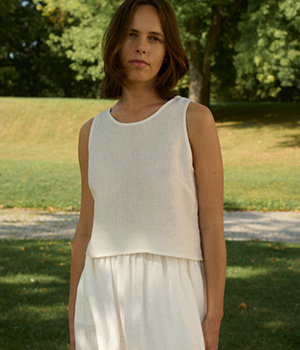
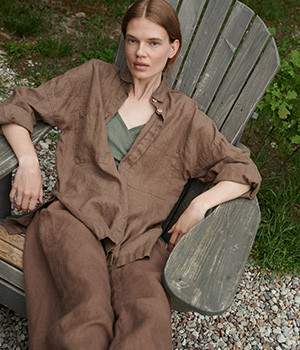
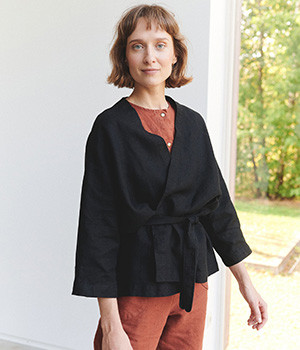
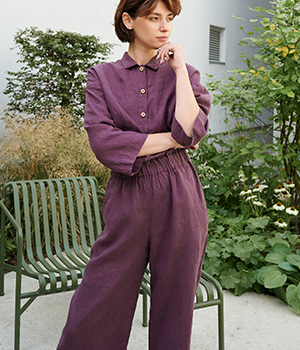
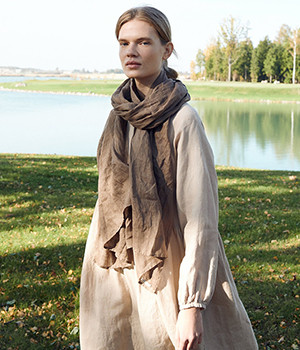
Office & Business Casual
Hospitality & F&B
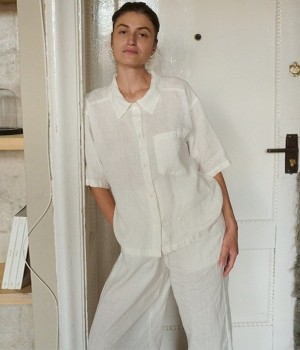
Retail, Salon & Front Desk
Linen is less suitable for roles with heavy abrasion, frequent contact with harsh chemicals, or strict zero-wrinkle dress codes. For those, a linen blend with polyester or nylon (55-60% linen) balances the natural look with recovery and durability.
How to Choose Linen Workwear by Job Role
Work Environment Recommended Fabric Weight Key Properties Office / business casual 100% linen or linen-rayon blend 160-190 gsm Drape, breathability, easy-care blend option Hospitality / F&B 100% linen or linen-cotton 200-240 gsm Absorbency, durability, frequent washing Retail / salon / front desk Garment-washed linen 170-210 gsm Softness, premium look, consistent color Outdoor / field service Linen-polyester blend 180-230 gsm UV comfort, wrinkle recovery, abrasion resistance
Addressing the Wrinkle Question
100% linen will never be as wrinkle-free as polyester. If a client's dress code is strictly zero-wrinkle, recommend a blend or a different fibre family rather than promising what linen cannot deliver.
Durability and Care in the Workplace
Ordering Linen Workwear: What Brands Should Know
MOQ for custom linen workwear is 60 pieces per style per color. OEM and ODM are both supported, and we can add your own label, tags and packaging for private-label uniform programs. For orders below MOQ or one-off staff uniforms, ask about our existing-style program with lower minimums.
Frequently Asked Questions
Can I wear 100% linen to the office every day?
Is linen good for chef uniforms and aprons?
Does linen workwear shrink?
How do I order custom linen workwear for my brand?
What information should I prepare for a linen workwear inquiry?
Planning a Linen Workwear Program?