
Casual Chic Linenwear Custom Manufacturing
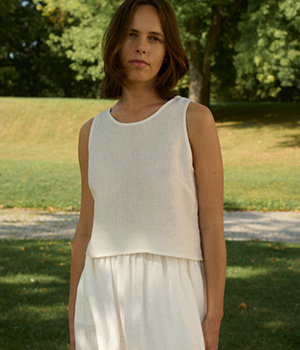
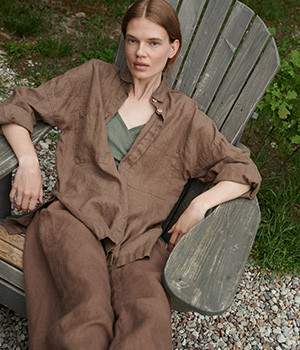
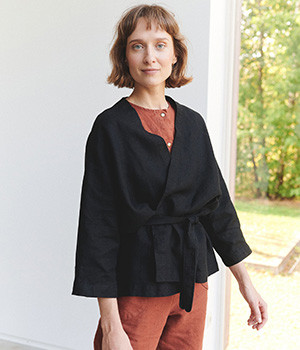
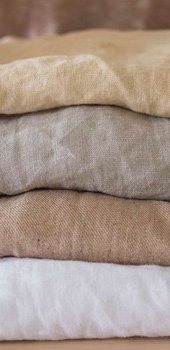
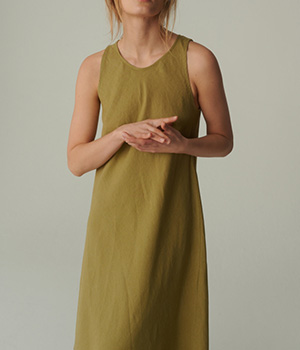
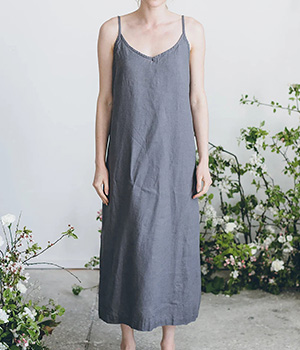
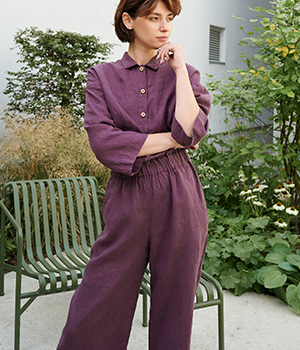
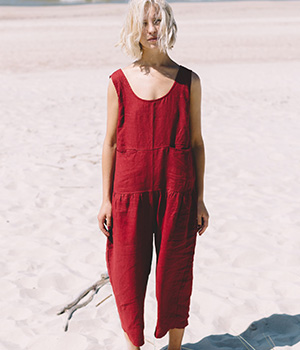
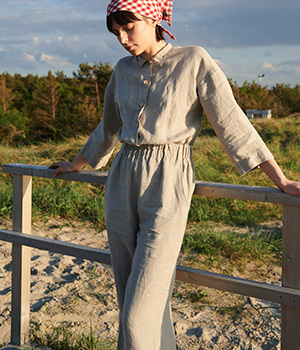
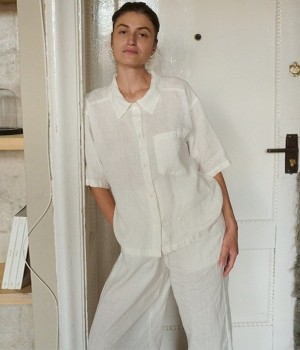
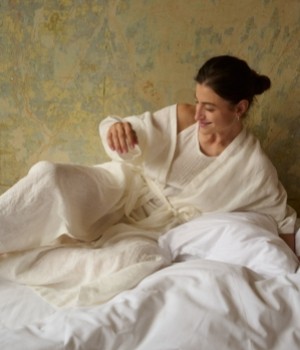
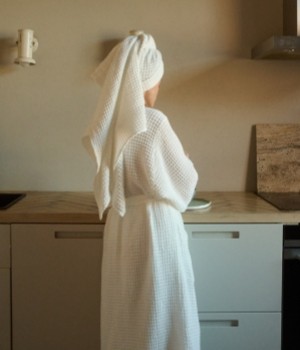
What Makes Linen Good for Sleepwear and Loungewear?
Direct Answer
What Makes Linen Good for Sleepwear and Loungewear?
Linen works for sleepwear because it does three things well at the same time: it moves moisture away from the skin quickly, it allows air to pass through the cloth instead of trapping it, and it is a smooth, low-static fibre that does not irritate most skin. Linen can absorb a large amount of moisture before it feels damp, and it releases that moisture again quickly and dries fast, which is what keeps a sleep garment from turning cold and clammy through the night. Its open weave lets body heat escape rather than building up underneath, so the same garment is comfortable in a warm bedroom and still usable as a light layer in a cool one. The fibre also has a naturally irregular, slightly waxy surface rather than a fuzzy one, which means less lint, less clinging and fewer of the scratch-and-sweat sensations that make synthetic nightwear uncomfortable. There are two conditions on all of this. First, linen is crisp when it is new: enzyme-washed or softened linen in a light weight, roughly 120-160 GSM, is what turns the fibre's properties into something a customer wants against bare skin. Second, linen creases, and in sleepwear that is normal rather than a fault - the creases come from the fibre's low recovery, not from poor quality, and they have no effect on comfort. The manufacturing detail behind these properties is covered in our guide to linen loungewear and sleepwear manufacturing.
The Three Properties That Make Linen Comfortable at Night
Moisture Handling
Linen absorbs moisture quickly and releases it again faster than cotton, so perspiration is taken off the skin without the cloth staying wet against the body. That combination - uptake plus rapid drying - is what prevents the cold, damp feeling that wakes people up in synthetic nightwear.
Airflow and Thermoregulation
The weave is open and the fibre conducts heat away from the body, so warmth is not trapped in a layer under the covers. The same property makes linen work across seasons: light for summer nights, and effective as a loose layer in a cooler room. The mechanism is explained in the FAQ on whether linen is a breathable fabric.
Skin-Friendly Surface
Linen is smooth, low-lint and naturally low in static, so it does not cling or shed fibres onto the skin. For most people that means less friction and less irritation than a synthetic or heavily finished fabric, which is why linen is often recommended for sensitive skin - a claim that should always be supported by the relevant test certificate rather than by a marketing line.
The fibre supplies the comfort; the construction protects it. A sleepwear garment loses most of what makes linen good when the seams are harsh, the waistband elastic twists, the labels scratch or the finish washes out. Those are specification and construction decisions, not fibre decisions, and they are what separate a lounge set a customer reorders from one that is worn twice.
How Linen Is Prepared for Sleepwear, Step by Step
1
Select the cloth for the piece, not the collection. Pajama sets and lounge shirts are usually built on 120-160 GSM plain weave or fine twill; robes run heavier, around 160-220 GSM, because a single-layer robe has to supply its own body and cover. Anything above about 160 GSM starts to feel heavy when the wearer turns in bed, and anything below 120 GSM becomes semi-transparent in pale shades.
2
Soften the surface with an enzyme wash. Raw loom-state linen is crisp. An enzyme wash softens the fibre surface without damaging the cloth, which is what makes a sleep garment comfortable on the first night rather than after ten washes. Stone washes are used where a vintage look is wanted, and a silicone softener alone gives an immediate hand feel that washes out - which is why it is normally applied alongside a mechanical route rather than instead of one. The options are compared in our guide to washed, enzyme and stone-washed linen finishes.
3
Pre-shrink before cutting. First-wash relaxation of 3-7 percent is the working figure for linen, and in a two-piece set it matters twice over: if the top and the pant move by different amounts, the set looks mismatched at the hem after the first wash. The cloth is stabilised before cutting and the pattern carries the measured allowance. See how much linen shrinks and how it is prevented.
4
Build for skin contact. Side and shoulder seams are pressed and closed flat, or serged with a narrow allowance pressed to the back; the elastic channel is cut 4-6 mm wider than the elastic and secured at the side seams so it cannot roll; labels are soft-edged, stitched at two points and placed clear of the spine; hardware on the neck and drawstring ends is avoided. These details cost fractions of a cent and decide whether the garment is comfortable at night.
5
Wash-test the sample, not just the fabric. The approved sleepwear sample is washed on the agreed cycle and re-measured, then checked for hand feel, shrinkage per measurement point, elastic recovery, label comfort and colour retention. A garment that passes on the hanger can still fail this test, which is why the wash result belongs in the approval record.
Linen Compared with Other Sleepwear Fabrics
| Property | Linen | Cotton | Viscose / Tencel blend | Polyester / synthetic |
|---|---|---|---|---|
| Moisture uptake | High, and released fast | High, released slowly | High, very soft hand | Very low |
| Airflow | Open weave, strong airflow | Moderate | Moderate, depends on weave | Low unless engineered |
| Hand feel when new | Crisp until washed or softened | Soft, consistent | Softest of the group | Varies widely |
| Creasing in bed | Creases, does not affect comfort | Creases moderately | Creases less | Creases least |
| Wash durability | Improves with washing, very long life | Good | Softens, can pill | Long life, holds odour |
| Skin feel for most wearers | Smooth, low lint, low static | Comfortable | Very smooth, drapes close to skin | Can cling and feel clammy |
| Typical sleepwear weight | 120-160 GSM (robes to 220) | 130-180 GSM | 120-160 GSM | 110-160 GSM |
Table values are working manufacturing ranges and general fibre behaviour, not test results for a specific order. Blending changes the picture: a linen-viscose or linen-Tencel blend drapes more fluidly and creases less than 100 percent linen, while a linen-cotton blend is more economical and more stable but slightly less breathable. Where a blend is used, we still specify the linen content, the weight and the finish as separate, measurable items in the specification.
Washing and Care Requirements for Linen Sleepwear
Sleepwear is washed after every wear, which makes care performance part of the product specification rather than a label detail. These are the points we specify with brands and recommend to customers, and they are the points a sleepwear programme should be tested against.
Machine wash cool on a gentle cycle; linen improves with washing and does not need special treatment.
No chlorine bleach. Use a mild detergent and wash pale shades with similar colours for the first few cycles.
Line dry or tumble on low. High heat is what drives the last percent of shrinkage and sets hard creases.
Warm iron while slightly damp if a smooth finish is wanted; the creased look is normal and does not need correcting.
Wash inside out with the drawstring tied so cords do not catch and stretch the channel.
Expect first-wash shrinkage of 3-7 percent; the finished garment is measured with the allowance already built into the pattern.
For a two-piece set, the top and the pant should always be washed on the same cycle as each other during testing, because a set where one piece moves more than the other reads as a sizing fault even when each piece is within tolerance. The fabric-related side of care is covered in which types of linen fabric are available, and the year-round use of the same pieces is covered in whether linen styles suit year-round collections.
- Wash the approved sample on the agreed customer cycle - the same temperature, detergent type and drying method the care label will state, not a laboratory shortcut.
- Re-measure every point that carries a tolerance - top length, chest, sleeve, pant waist at rest and extended, inseam and leg opening - and record the movement per point rather than as one percentage.
- Check hand feel and surface after drying - whether the cloth is still soft, whether the finish has washed out, and whether the surface has roughened at the collar, cuffs and underarm.
- Confirm the set still matches - the two pieces beside each other at the hem, the waistband elastic recovered, no twist in the channel, no frayed cord ends and no label that has stiffened.
MOQ, Sampling and Lead Time at a Glance
The manufacturing windows for sleepwear are the same as for other linen categories; the difference is the sampling protocol, which has to include a wash test and a wear check rather than a fit review alone.
MOQ
60 pieces per style per colour, applied to each piece of a set
60 pieces per style per colour, applied to each piece of a set
Sampling
7-12 days per style, realistic window 7-14 days if cloth is sourced
7-12 days per style, realistic window 7-14 days if cloth is sourced
Bulk
25-35 days from approved sample and deposit; first order 35-60 days
25-35 days from approved sample and deposit; first order 35-60 days
Inspection
AQL 2.5, with extra comfort points on waistband, seams and labels
AQL 2.5, with extra comfort points on waistband, seams and labels
Sampling is charged at USD 40-150 per style and is fully refundable against the bulk order, and swatches are free. For sleepwear the sample fee buys evidence rather than a fitting: the enzyme wash result, the shrinkage figures per measurement point, the elastic behaviour in the channel and the label position, all of which are decided at sample stage and cannot be changed economically in bulk. The commercial terms are described in what sampling costs and whether it is refundable and how the manufacturing minimum is calculated. Quality checks during production, including the comfort points that matter most in sleepwear, are summarised in what quality inspections are done during linen production.
What Undermines Linen Sleepwear
Four common decisions cost a sleepwear programme far more than they save. The first is relying on a silicone softener alone: the hand feel is excellent in the sample bag and largely gone by the third wash, so the fabric should be mechanically softened and the finish written as a measurable property in the approval. The second is cutting from unshrunk cloth to save a week, which moves the two halves of a set by different amounts and shows up as a mismatched hem. The third is treating sleepwear as a lighter shirt and reusing a daywear block, which produces a top that pulls across the chest when the wearer turns in bed. The fourth is specifying a woven label at the back neck and a care label in the side seam without considering how they feel against bare skin.
Linen sleepwear is only as comfortable as its least comfortable detail. A garment worn against bare skin for eight hours is judged by the waistband edge, the seam allowance, the label and the finish - not by the fibre name on the tag. Keep the fibre, the weight and the softening, and never remove the flat seams, the secured elastic or the pre-shrink step to meet a price or a date. Where the money sits in a linen garment is set out in our guide to the cost drivers behind custom linen clothing.
Related Questions
- Is linen too scratchy for sleepwear? New linen can feel crisp, which is a finishing issue rather than a fibre one. An enzyme wash or a stone wash softens the surface before the garment is cut, and the cloth continues to soften with each wash. If a customer needs softness on day one, the answer is a softened finish on a light weight, or a linen-viscose blend.
- Does linen sleepwear shrink out of shape? It shrinks, but it does not lose shape when it is made properly. Pre-shrinking the cloth, building the allowance into the pattern and washing both pieces of the set on the same cycle keeps the fit stable; 3-7 percent first-wash shrinkage is the working figure and is already accounted for in a finished specification.
- Can linen sleepwear be worn in winter? Yes, in a heavier weight or a blend. A robe at the top of the range, a linen-viscose blend for drape, or a simple extra layer is enough for a cool bedroom, because linen regulates rather than insulates - it does not trap heat, so it stays comfortable in a heated house. See whether linen styles suit year-round collections.
- Is linen sleepwear suitable for sensitive skin? Linen is smooth, low-lint and low-static, and most wearers with sensitive skin find it comfortable, but it is not a hypoallergenic product by definition. Any skin-related claim on a product page should be supported by the relevant test certificate for the specific fabric and finish used, and the OEKO-TEX Standard 100 certification our skin-contact fabrics carry is the natural place to start. The range of lounge styles we produce is listed in the FAQ on linen clothing styles for loungewear.
Developing a linen sleepwear or loungewear programme and want the fabric weight, finish and construction quoted against your own specification? Send us the brief - silhouettes, target market, fabric direction and quantity - and we will come back with the cloth options, the softening route, the size and SKU plan and the calendar.
Send an Inquiry Contact LinenwindSource: LINENWIND linen garment manufacturing practice, Dongguan, China (ISO 9001 / OEKO-TEX Standard 100 / SEDEX; 20+ years OEM/ODM). Figures are the unified site windows: MOQ 60 pieces per style per colour, sampling 7-12 days (window 7-14 days), bulk production 25-35 days, first order 35-60 days, sampling fee USD 40-150 refundable, swatches free, first-wash shrinkage 3-7 percent, fabric GSM 100-260, 50+ fabric specifications in stock, AQL 2.5. Fibre behaviour statements describe general linen properties and are not presented as test results for a specific order. No client cases, certification numbers or statistics are invented here. See also: linen loungewear and sleepwear manufacturing · why linen loungewear is growing · is linen a breathable fabric.