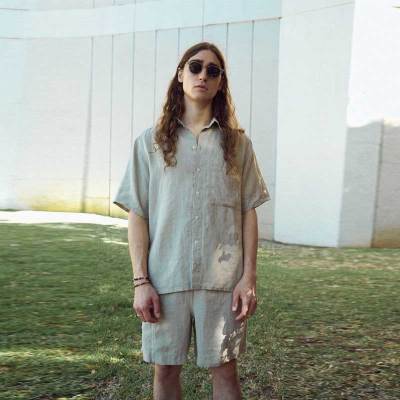
Casual Chic Linenwear Custom Manufacturing
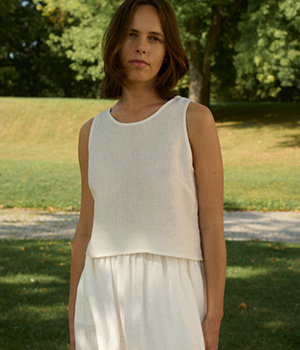
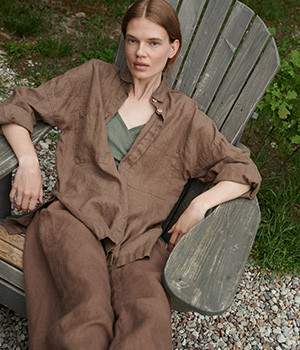
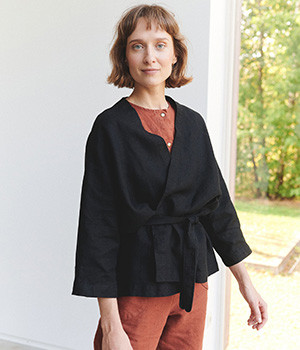
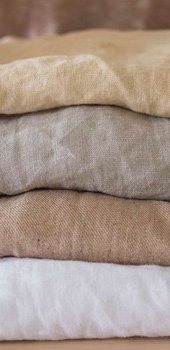
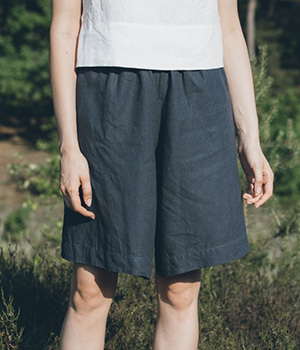
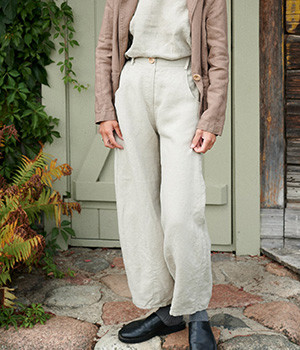
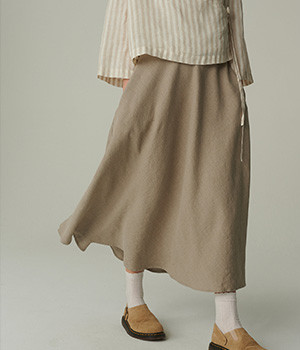
What Types of Linen Fabric Are Available?
Short Answer
What Types of Linen Fabric Are Available?
Seven main types of linen fabric are used in clothing: plain-weave linen, loose-weave linen (gauze and voile), dupion linen, linen canvas, linen twill, linen jersey, and linen blends. The differences come from the weave construction, the fabric weight (gsm), and the finishing treatment — not from the fiber itself, because every type is made from the same flax fiber and shares linen's breathability and moisture-wicking properties. Plain-weave linen between 120 and 180 gsm is the most common and the safest default for shirts and dresses; loose weaves suit airy summer pieces; canvas and twill add structure for trousers and jackets; jersey adds stretch; and blends adjust cost, drape, or wrinkle resistance.
7 main linen fabric types
60–400 gsm range across types
120–180 gsm = everyday default
3–5% typical first-wash shrinkage
The 7 Main Types of Linen Fabric at a Glance
Plain-Weave Linen
The classic shirt and dress fabric: crisp, smooth, and stable, usually 120–180 gsm. The default choice for most linen apparel and the easiest construction to sew.
- Takes color, stripes, and prints well
- Most predictable in production
Loose-Weave Linen
Gauze, voile, and handkerchief linen: light, open, and airy at 60–110 gsm. The most breathable of all linen types, made for summer tops, cover-ups, and scarves.
- Maximum airflow
- Can snag, needs careful sewing
Dupion Linen
Plain weave with slubby, irregular yarns that create texture and a subtle silk-like sheen, usually 120–200 gsm. A favorite for blouses, dresses, and occasion wear.
- Visual interest without print
- Softens with garment washing
Linen Canvas
A dense, firm plain weave at 220–400 gsm. Sturdy and structured, it is the fabric of blazers, jackets, and trousers that need to hold a shape.
- Strong and durable
- Least breathable linen type
Linen Twill
A 2/1 or 2/2 diagonal weave at 180–300 gsm. Softer and more flexible than plain weave of the same weight, and it hides creasing better.
- Drapes and moves with the body
- Good for trousers and workwear
Linen Jersey
A knit, not a weave, built from loops of linen yarn at 140–220 gsm. It has natural stretch and recovery, and feels soft from the first wear.
- Stretches and recovers
- Ideal for tees and loungewear
Linen Fabric Comparison Table
| Type | Structure | Typical Weight | One-Sentence Character | Best For |
|---|---|---|---|---|
| Plain-weave linen | 1/1 plain weave | 120–180 gsm | Crisp, smooth, and stable — the everyday default. | Shirts, blouses, dresses |
| Loose-weave linen | Gauze, voile, handkerchief | 60–110 gsm | Light and open with maximum airflow. | Summer tops, cover-ups |
| Dupion linen | Plain weave, slub yarns | 120–200 gsm | Textured surface with a subtle silk-like sheen. | Blouses, occasion wear |
| Linen canvas | Dense plain weave | 220–400 gsm | Firm and structured, holds its shape. | Jackets, blazers, trousers |
| Linen twill | 2/1 or 2/2 twill | 180–300 gsm | Diagonal weave that drapes and hides creasing. | Trousers, skirts, workwear |
| Linen jersey | Knit (single, rib, interlock) | 140–220 gsm | Soft knit with stretch and recovery. | Tees, loungewear, sleepwear |
| Linen blends | Flax plus cotton, rayon, silk, wool, or polyester | 120–260 gsm | Partner fiber changes cost, drape, or wrinkle behavior. | Everyday wear, suiting, uniforms |
Weight ranges are typical apparel values. A garment's final feel also depends on finishing: the same 160 gsm plain weave can be crisp, garment-washed, or crinkled, each with a different hand.
What Makes Linen Types Different From Each Other?
All linen comes from the same flax fiber, so every type shares breathability and moisture absorption. Three variables create the differences:
Weave structure — a 1/1 plain weave is flat and stable; a twill has diagonals that drape more; a knit (jersey) adds stretch. The construction decides density, surface, and durability.
Weight (gsm) — light weights (60–180 gsm) are airy and summer-oriented; mid weights (180–260 gsm) carry structure; heavy weights (260 gsm and up) are firm, durable, and less breathable.
Finishing — garment washing softens the hand and creates a relaxed look; crinkle finishing adds texture that keeps fabric off the skin; brushing softens the surface but can close the weave.
Fiber blend — cotton adds softness and stability, rayon adds drape, polyester adds wrinkle resistance, and silk or wool add premium character. The blend ratio must match what is printed on the label.
Which Linen Blends Are Available?
- Linen-cotton (typically 55/45) — the most popular blend; softer, more stable, and lower in cost than pure linen, with most of linen's breathability.
- Linen-rayon or linen-viscose (55/45 to 50/50) — adds fluid drape and richer color depth for dresses and blouses.
- Linen-polyester (65/35 to 50/50) — adds wrinkle resistance and stability but reduces breathability; best for structured or uniform programs.
- Linen-silk (about 70/30) — a premium blend with a soft sheen for dresses and blouses.
- Linen-wool (about 55/45) — a spring-autumn suiting fabric that drapes and resists creasing.
- Linen-hemp (about 50/50) — two bast fibers together for a rugged, textured look in jackets and utility wear.
Labeling note: US and EU fiber-content rules require the actual blend percentages, and a labeled 55/45 fabric must test within tolerance. Confirm composition verification with your factory before bulk production.
Practical Points to Remember
- Name alone does not tell you the weight — always confirm gsm with a swatch. "Linen" can mean 60 gsm voile or 400 gsm canvas.
- Woven vs knit changes the pattern — jersey needs stretch allowance and different handling than woven linen in cutting and sewing.
- Linen shrinks on the first wash — typically 3–5% (knits can reach 4–6%), so a factory should pre-test and add allowance to the pattern.
- Every type wrinkles — creasing is a flax fiber property. Twill and blends hide it better; garment washing softens it into a relaxed aesthetic.
Related Questions Buyers Ask
Which linen fabric is best for shirts?
Plain-weave linen at 120–160 gsm is the standard answer: crisp, breathable, and stable to sew. For a relaxed casual feel, request a garment wash; for a dressier surface, dupion adds texture. Linen-cotton blends are a good alternative when you want more softness or a lower cost.
Is dupion linen good for dresses?
Yes. Dupion's slubby surface and subtle sheen make it a strong choice for dresses and occasion wear at 130–180 gsm. It is stiffer than standard plain weave, so a garment wash is often requested, or a linen-rayon blend when a more fluid silhouette is needed.
What is the difference between washed linen and raw linen?
Raw (unwashed) linen is stiff, slightly crisp, and carries the natural sizing from weaving; it softens after the first home wash. Washed linen has already been garment-washed or enzyme-washed at the factory, so it arrives soft, relaxed, and pre-shrunk — the more common choice for modern casual collections.
Does linen jersey stretch?
Yes. As a knit, linen jersey has natural stretch and recovery that woven linen does not, typically 140–220 gsm. It suits T-shirts, tank tops, loungewear, and sleepwear, and it keeps most of linen's moisture management. Like other knits, it can pill under heavy abrasion, so choose a compact knit structure.
What is the MOQ for custom linen garments?
At Linenwind, the standard MOQ is 60 pieces per style across all sizes. Sampling takes 7–14 days and bulk production 25–35 days. Repeat orders can scale to 300–500+ pieces per style with reduced per-unit cost.
Bottom Line
Seven linen fabric families cover almost every apparel application: plain weave for everyday shirts and dresses, loose weave for high-summer airiness, dupion for texture and occasion, canvas for structure, twill for movement, jersey for stretch, and blends for cost or drape. Choose by matching the fabric to the garment's job — silhouette, season, and positioning — then confirm gsm, weave, finish, and shrinkage with physical swatches before bulk production.
Related Reading
For the full breakdown of each construction — plain weave, loose weave, dupion, canvas, twill, jersey, and blends — read our guide Linen Fabric Types Explained for Fashion Brands, which covers gsm ranges, garment fit, and sourcing specifications for every type.
Need Linen for Your Collection?
Linenwind is a linen apparel manufacturer in Dongguan, Guangdong, China, with 20+ years of linen experience. Standard MOQ is 60 pieces per style, sampling takes 7–14 days, and bulk production runs 25–35 days. We produce plain, loose-weave, dupion, canvas, twill, jersey, and blend linen garments, and we pre-test every fabric lot for shrinkage before cutting.
Last updated: August 2026. For deeper guidance on choosing between linen types for a specific garment, read our linen sourcing guides, see more product FAQs, or contact Linenwind with your tech pack.