
Casual Chic Linenwear Custom Manufacturing
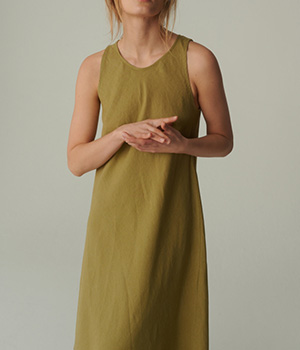
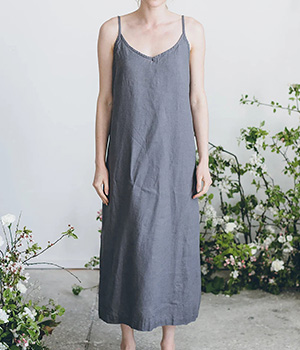
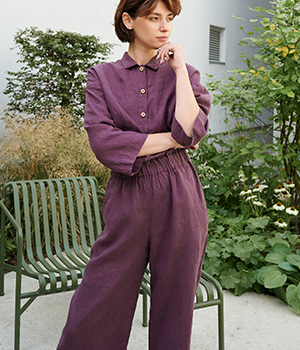
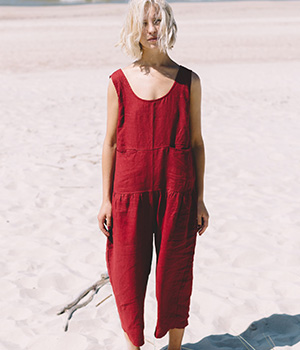
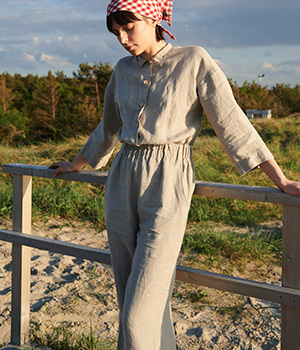
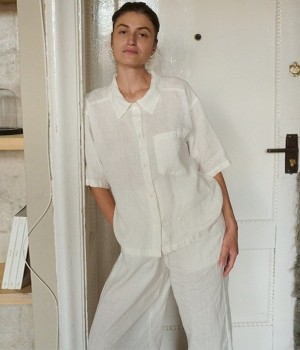

Linen-Knit Hybrid Collection OEM for a Cross-Season Brand
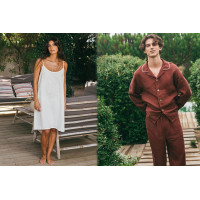
Linen-Knit Hybrid Collection OEM for a Cross-Season Brand
Linen Clothing Manufacturer Case Study
Linen-Knit Hybrid Collection OEM for a Cross-Season Brand
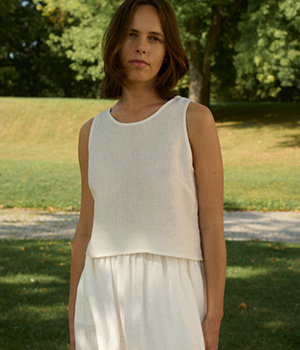
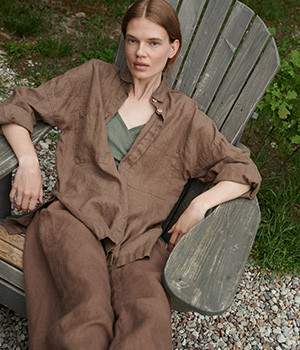
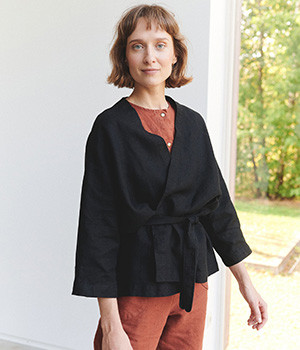
A European fashion brand building a cross-season capsule asked Linenwind to develop four hybrid styles that combine woven linen panels with knit elements in a single garment. MOQ: 60 pcs per style.
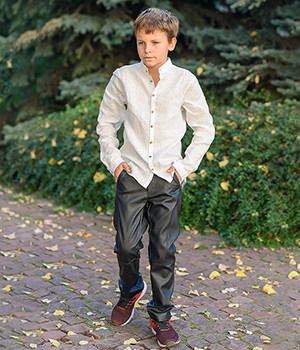
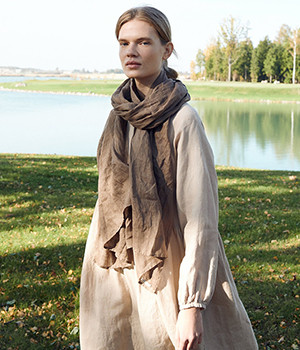
A linen-knit hybrid cardigan developed for a European cross-season capsule collection.
1. Client Background
Client Type: Contemporary Fashion Brand (cross-season capsule collections)
Market: Europe (Benelux and Nordic markets)
Brand Positioning: Understated natural-fibre layering pieces, mid-premium, quiet design
Product Category: Linen-knit hybrid tops and cardigans, knit-trimmed shirts, mixed-media layers
The brand sells through a long season that runs from early autumn into late spring, and it wanted garments that work across that whole window rather than a single-season drop. Pure linen pieces read too summery in the colder months, while knitwear alone lost the natural-fibre texture that defines the label. The buyer wanted one collection that could bridge the two ends of the season without splitting into a summer line and a winter line.
2. Project Objective
- Develop four hybrid styles as the core of a cross-season capsule
- Combine woven linen with knit elements in one garment so the join does not read as a patchwork
- Let the same style family work in both warmer and cooler weeks through weight and layering
- Keep woven panels and knit parts dimensionally matched after washing
- Hold the first order at a manageable MOQ so the hybrid direction could be tested in-season
- Build a repeatable hybrid specification for future cross-season drops
3. Product Overview
Product Types: Woven-body cardigan with knit sleeves, knit-trimmed linen shirt, mixed-media top, hybrid overshirt
Target Channels: Brand e-commerce plus selected European stockists
Season: Cross-season, positioned for early autumn through late spring
Priority: Clean join between knit and woven, rib finishing that keeps its shape, drape balance, and colour matching across two substrates
4. Custom Requirements
Mixing two constructions in one garment means the two materials have to agree on dimensions, colour, and recovery after washing, so the brief fixed the fabric side and the knit side together rather than separately.
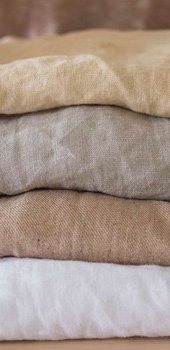
- Mid-weight woven linen for the body panels, chosen for a structured but not stiff hand
- Knit elements in a coordinated blend developed to match the woven linen in colour and laundering behaviour
- Rib finishing at the neckline, cuffs, and hems so the knit parts do not relax out of shape
- Pre-washed and pre-shrunk woven panels so the mixed panels stay aligned after home laundering
- A matched colour programme across two substrates, checked on both the woven and the knit surfaces
- Tolerance control on chest, body length, sleeve, and rib depth for the online size chart
- Woven main labels, size labels, and EU care labels listing the fibre content of both materials
- MOQ: 60 pcs per style, matching our standard minimum order quantity for custom linen clothing
- Total Styles: 4 hybrid styles for the first cross-season capsule
5. Linenwind Hybrid OEM Solution
We treated the collection as a construction problem first. Woven linen and knit behave differently once they are washed, so we did not simply cut a linen body and attach a knit sleeve. The blocks were built around the different shrinkage and recovery of each material, and the interface between woven and knit was defined before any styling was locked. The buyer compared body weights and finishing routes in our complete guide to linen fabric for fashion brands before fixing the woven specification.
The knit elements were developed to one coordinated specification with a specialist knitting partner while the woven body stayed on our own line, so a single sampling cycle and a single QC process covered the whole garment. Sampling ran 10-14 days in two rounds, in line with our standard sampling timeline for linen clothing: the first round confirmed the hybrid block and the join between the two materials, and the second checked lab dips, rib recovery, and colour matching across the woven and knit surfaces.
Bulk production ran 30-38 days, reflecting the extra operations that a two-substrate garment adds to the line. Inline checks covered the woven-to-knit seam, rib tension, colour consistency, and hardware, and the final inspection covered measurements, workmanship, labels, and packing at AQL 2.5, so the capsule arrived ready for the brand's own stockists.
6. Production Details
| Fabric | Mid-weight woven linen body (pre-washed for dimensional stability) combined with coordinated knit elements for sleeves, trims, and panels |
|---|---|
| Customization | Hybrid woven-knit blocks, rib finishing at neck, cuffs, and hem, matched colour programme across two substrates, woven and EU care labels |
| MOQ | 60 pcs per style |
| Sampling Time | 10-14 days for 2 rounds, with rib recovery and colour matching confirmed in round two |
| Bulk Lead Time | 30-38 days including knit-woven assembly and multi-style cutting |
| Quality Control | Inline inspection + final inspection (measurements, workmanship, labels, packing), AQL 2.5 |
7. Results & Feedback
The hybrid construction gave the brand a cross-season tier that still read as natural fabric.
- All 4 styles were delivered on schedule and within the agreed measurement tolerances
- Woven and knit panels held their alignment after washing, so the online size chart stayed reliable
- Colour matched across both substrates, so the hybrids did not read as two garments stitched together
- Three of the four styles were reordered for the next cross-season capsule on the same construction spec
"We wanted one collection that could live across the whole season, not a summer drop and a winter drop stitched
together. The tricky part was the join between the linen and the knit, and Linenwind built the block around that
interface instead of treating it as an afterthought. Everything washed back the way the sample did, and the
collection finally feels like us all year."
8. Why This Case Matters
- Shows how linen can move into cooler seasons through hybrid construction rather than heavier pure linen alone
- Demonstrates that knit and woven parts must be specified around one shrinkage and colour target
- Confirms a low-risk test at 60 pcs per style before scaling a cross-season range
- Provides a repeatable hybrid specification for future mixed-media linen collections
9. Related Linen Manufacturing Capabilities
Are you looking for a reliable manufacturer of linen clothing products?
We can quickly provide customers with market analysis, technical support and customized services.