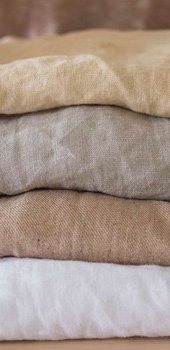
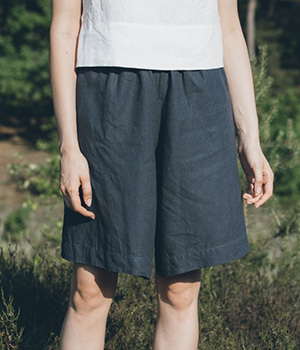
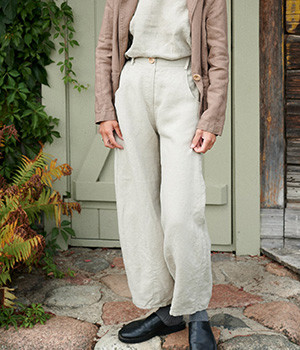
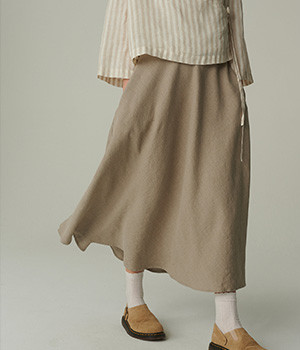
Linen Fabric Weight Guide for Structured Styles | Linen Garment Design
Linen Fabric Weight Guide for Structured Styles | Complete Selection Guide
Selecting the correct linen fabric weight is one of the most critical decisions when designing structured linen garments. Linen is loved worldwide for its natural texture, breathability, and timeless aesthetic, but not all linen is suited for tailored silhouettes. The weight of linen directly impacts how a garment holds its shape, drapes on the body, feels to wear, and performs over time. For fashion brands creating structured blazers, tailored dresses, formal workwear, and polished outerwear, choosing the right fabric weight can make or break the final product’s quality, fit, and market appeal.
Structured fashion requires fabrics that offer stability, rigidity, shape retention, and clean lines. Lightweight fabrics may collapse or appear too casual, while overly heavy fabrics can feel stiff and uncomfortable. Understanding linen weight categories, their characteristics, ideal uses, and performance differences allows brands to make informed decisions that align with their design vision, target audience, and product quality goals.
Many successful fashion brands partner with experienced Linen Clothing Manufacturers to navigate fabric selection, understand weight specifications, and develop high-quality structured garments that meet consumer expectations. Working with experts ensures that every design uses the most appropriate linen weight for optimal performance, appearance, and durability.
Understanding Linen Fabric Weight (GSM)
Linen fabric weight is universally measured in grams per square meter (GSM), a standard metric that defines the density, thickness, and heaviness of the material. GSM is calculated by measuring the weight of one square meter of fabric, providing a consistent way to compare different linen types. Higher GSM values indicate thicker, heavier, and more structured fabrics, while lower GSM values represent lighter, softer, and more flowy materials.
GSM is not just a number—it directly influences drape, structure, durability, comfort, and garment functionality. For structured styles, GSM becomes the foundation of good design, as it determines whether a garment will hold sharp lines, maintain its silhouette, and deliver a polished, high-end appearance.
- Lightweight linen: 120–150 GSM
- Medium-weight linen: 150–220 GSM
- Heavyweight linen: 220–300 GSM+
Each weight category serves distinct purposes and performs uniquely across different Linen Clothing Styles, especially when it comes to structured and tailored designs. Understanding these categories helps brands match fabric to garment with precision.
Lightweight Linen (120–150 GSM) – Characteristics & Uses
Lightweight linen falls between 120 and 150 GSM and is recognized for its delicate, airy, and ultra-breathable nature. This type of linen is thin, soft, and flowy, making it a top choice for warm-weather, relaxed, and unstructured garments. It drapes smoothly against the body and offers exceptional comfort in hot climates.
While lightweight linen is perfect for casual, loose-fitting styles, it lacks the rigidity and stability required for structured silhouettes. It tends to collapse, wrinkle easily, and fail to hold sharp lines or tailored shapes, making it unsuitable for blazers, structured dresses, or formal pieces that require definition.
- Ultra-lightweight and highly breathable for summer wear Soft, flowy drape that follows body contours gently
- Minimal structure and low shape retention
- Prone to wrinkling and less durable for heavy use
- Ideal for relaxed, unstructured, and casual aesthetics
Lightweight linen is most commonly used for casual, loose-fitting garments such as Custom Linen Shirts and comfortable Custom Linen Loungewear. These styles prioritize comfort over structure, making lightweight linen an ideal choice.
Brands focusing on resort wear, beachwear, or everyday basics often rely on lightweight linen for its effortless, laid-back appeal. However, designers must avoid using this weight for structured garments, as it will not deliver the desired professional or tailored appearance.
Medium-Weight Linen (150–220 GSM) – The Most Versatile Choice
Medium-weight linen ranges from 150 to 220 GSM and is widely regarded as the most versatile option for fashion brands. It strikes a perfect balance between softness, drape, and subtle structure, making it suitable for a huge range of garment types, from casual everyday wear to semi-tailored structured styles.
This weight category offers enough body to maintain gentle structure without feeling stiff or heavy. It drapes smoothly, resists excessive wrinkling, and provides durability for daily use. For brands creating semi-structured garments, medium-weight linen is the most reliable and practical choice.
- Balanced structure and drape for versatile designs
- Suitable for casual, semi-formal, and relaxed tailored wear
- Strong durability and resistance to daily wear and tear
- Good shape retention without excessive stiffness
- Year-round wearability in most climates
Medium-weight linen is the go-to option for Linen Clothing Dresses, jumpsuits, modest shirts, and relaxed tailored pieces. It offers enough structure to maintain a polished silhouette while remaining comfortable enough for all-day wear.
Many sustainable and minimalist fashion brands prioritize medium-weight linen for its versatility, durability, and balanced aesthetic. It serves as a reliable foundation for core collection pieces that combine style, comfort, and practicality.
Heavyweight Linen (220–300 GSM+) – For Premium Structured Styles
Heavyweight linen, starting at 220 GSM and going up to 300 GSM and beyond, is the premium choice for highly structured, tailored garments. This thick, sturdy fabric offers exceptional rigidity, shape retention, and durability, making it ideal for designs that demand sharp lines, clean structure, and a luxurious, high-end finish.
Heavy linen holds its shape exceptionally well, resists sagging or stretching, and creates powerful, structured silhouettes. It is the preferred choice for blazers, tailored coats, structured dresses, formal bottoms, and professional workwear that requires stability and definition.
- Superior shape retention and structural stability
- Maximum durability for long-lasting garment life
- Sharp, clean lines ideal for tailored silhouettes
- Minimal drape and maximum rigidity
- Premium, high-end appearance and feel
Structured, professional pieces like Custom Linen Blazers depend entirely on heavyweight linen to achieve their polished, formal aesthetic. Without a heavy, stable fabric, these garments would lose their definition and appear unstructured or cheap.
Luxury fashion brands often use heavyweight linen to elevate their structured collections, as it conveys quality, durability, and attention to detail. Consumers recognize heavy linen as a premium material that offers long-term value and sophisticated style.
How to Choose the Right Linen Weight for Structured Styles
Choosing the perfect linen weight requires careful consideration of multiple factors, including garment type, desired structure level, seasonal use, target market, comfort needs, and brand positioning. Making the right choice ensures that garments perform as intended and meet customer expectations.
Brands must evaluate whether a design requires light, relaxed drape or strong, stable structure. For highly tailored pieces, heavy linen is non-negotiable. For semi-structured styles, medium-weight linen offers flexibility. For casual basics, lightweight linen remains ideal.
- Highly structured tailoring → heavyweight linen (220 GSM+)
- Semi-structured dresses & shirts → medium-weight linen (150–220 GSM)
- Casual relaxed styles → lightweight linen (120–150 GSM)
- Seasonal climate and wearability requirements
- Target audience comfort and aesthetic preferences
- Durability and long-term performance expectations
Working with experienced manufacturers helps brands navigate these decisions with confidence. Professionals understand fabric behavior, garment construction, and market demands, ensuring that every fabric choice supports the overall design vision.
Blended Linen Fabrics for Enhanced Structure & Performance
In addition to pure linen, blended fabrics have grown increasingly popular for structured designs. Linen is often blended with cotton, viscose, polyester, or other fibers to enhance stability, wrinkle resistance, shape retention, and durability while preserving the natural look and feel of linen.
Blends offer the best of both worlds: the breathability and texture of linen combined with the structure and performance of other fibers. For brands seeking structured garments that are easier to care for and more dimensionally stable, linen blends are an excellent choice.
- Improved dimensional stability and shape retention
- Better wrinkle resistance for a neater appearance
- Stronger structure for tailored silhouettes
- Enhanced durability and resistance to stretching
- Softer hand feel while maintaining structure
Blended linen fabrics are widely used in professional workwear, structured dresses, tailored blazers, and modern minimalist collections. They offer commercial practicality while meeting consumer demands for low-maintenance, high-quality apparel.
Fabric Finishing Techniques for Structured Linen Garments
Even the best linen fabric requires professional finishing to reach its full potential in structured garments. Finishing processes enhance softness, stability, shrinkage control, appearance, and overall performance, ensuring that garments meet premium quality standards.
For structured styles, certain finishing techniques are especially valuable, as they improve fabric behavior without compromising rigidity or shape retention. These treatments help brands achieve consistent, high-quality results across every production batch.
- Enzyme washing for premium softness and smooth texture
- Pre-shrinking to eliminate size changes after washing
- Press finishing for crisp, sharp lines and structure
- Stabilizing treatments to improve shape retention
- Softening treatments that maintain fabric structure
- Color finishing for consistent, long-lasting dye results
Professional finishing turns good linen into exceptional garment material. Brands that invest in high-quality finishing processes deliver better-fitting, longer-lasting, and more visually appealing structured apparel to their customers.
Common Mistakes in Choosing Linen Weight for Structured Designs
Many brands, especially those new to linen production, make costly mistakes when selecting fabric weight for structured styles. These errors can lead to poorly fitting garments, unflattering silhouettes, customer dissatisfaction, and increased return rates.
The most common mistake is choosing a weight that is too light for structured designs. Lightweight linen cannot hold tailoring, leading to collapsed shapes and a cheap, unprofessional appearance. Conversely, using overly heavy fabric for casual styles can result in stiff, uncomfortable garments.
- Using lightweight linen for blazers and structured dresses
- Ignoring GSM and relying only on visual appearance
- Choosing heavy linen for loose, relaxed loungewear
- Neglecting pre-shrinking and finishing processes
- Failing to test fabric samples before bulk production
Avoiding these mistakes requires knowledge, experience, and careful testing. Partnering with skilled linen manufacturers significantly reduces risk and ensures that fabric choices align with design goals and quality expectations.
Why Structured Linen Apparel Is Gaining Global Popularity
Structured linen fashion has experienced massive growth in recent years, as consumers shift toward timeless, versatile, and sustainable wardrobe pieces. Linen combines natural elegance with eco-friendly credentials, while structured designs offer professionalism, polish, and long-term wearability.
Modern consumers value garments that transition seamlessly from casual to formal, work to weekend. Structured linen delivers this versatility, making it a staple in minimalist, sustainable, and contemporary fashion collections worldwide.
- Rising demand for sustainable and natural fabrics
- Growing preference for timeless, versatile garments
- Increased focus on professional yet comfortable workwear
- Minimalist fashion trends favoring clean, structured lines
- Linen’s durability aligns with slow fashion values
Brands that master structured linen design position themselves at the forefront of modern fashion trends. By selecting the correct fabric weight, they create garments that resonate with conscious consumers and deliver long-term value.
Working with Professional Linen Manufacturers for Structured Collections
Fabric weight selection, garment development, and structured design require deep technical expertise. Fashion brands benefit immensely from partnering with specialized linen manufacturers that understand fabric behavior, construction techniques, and quality control.
Experienced manufacturers guide brands through every stage: fabric selection, sampling, testing, grading, production, and finishing. They ensure that structured garments are built correctly, use appropriate materials, and meet strict quality standards.
Through comprehensive Linen Clothing OEM & ODM services, brands gain access to end-to-end support, from initial design concept to final delivery. This integrated approach streamlines production, reduces errors, and ensures consistent quality across all structured linen pieces.
Select the Perfect Linen Weight for Your Structured Collection
If you’re designing tailored, structured linen garments that demand premium quality, shape retention, and professional aesthetics, partnering with experienced Linen Clothing Manufacturers ensures you choose the ideal fabric weight and construction for outstanding results.
You can Request Samples to test different linen weights, textures, and finishes firsthand, or contact our expert team to Get a Quote for custom structured linen apparel production tailored to your brand vision.