
Linen-Cotton Blend Fabric: What It Is, Benefits, Uses & How to Choose
What Is Linen-Cotton Blend Fabric? A Complete Guide for Fashion Brands
Cotton and linen fabric — also called linen-cotton blend or semi-linen — is a textile that combines flax linen fibers with cotton fibers. Is linen cotton? No. Linen and cotton are two distinct natural fibers: linen comes from flax plants, cotton from cotton bolls. This guide explains what cotton-and-linen blend fabric is, its benefits, uses, and how to choose the right ratio for your product line.
In this guide, you will learn what linen-cotton blend is, how it compares to pure linen and cotton, the most common blend ratios, its best applications, and how to select the right blend for your product line.
If you are a brand exploring custom linen blend garment production, you can also browse: Custom Linen Tops | Custom Linen Bottoms | Custom Linen Dresses | The History of Chinese Linen | Types of Linen Fabric
What Is Linen-Cotton Blend Fabric?
Linen-cotton blend, also called "linen union" or "semi-linen," is a fabric woven from a combination of flax fibers (linen) and cotton fibers. Unlike pure linen (100% flax), the blend uses cotton to improve softness, reduce wrinkling, and make the fabric easier to care for, while retaining linen's natural cooling properties and textured appearance.
The blend works because the two fibers complement each other. Linen brings breathability, moisture-wicking, durability, and a crisp natural texture. Cotton brings softness, flexibility, dimensional stability, and easier care. Together, they create a fabric that performs well across multiple apparel categories.
Is Linen Cotton? The Difference Between Linen and Cotton Explained
No — linen is not cotton. Linen comes from the flax plant (Linum usitatissimum), while cotton comes from the seed hairs of cotton plants (Gossypium). The two fibers feel different, behave differently in washing, and have different sustainability profiles. Linen is stronger, more breathable, and dries faster; cotton is softer, more elastic, and less prone to visible creasing. A cotton and linen fabric blend takes the best of both, which is why 55/45 and 70/30 linen-cotton blends are standard choices for shirts and dresses.
| Property | Linen (flax) | Cotton | Cotton-and-linen blend (55/45) |
|---|---|---|---|
| Fiber source | Flax plant stems | Cotton bolls | Flax + cotton |
| Breathability | Excellent | Moderate | Good |
| Softness | Stiff at first | Soft | Soft early |
| Wrinkle resistance | Low | Moderate | Moderate |
| Cost | Higher | Lower | Mid-range |
Common Linen-Cotton Blend Ratios
| Ratio (Linen:Cotton) | Characteristics | Best For |
|---|---|---|
| 55:45 | Balanced — retains linen texture with improved softness and less wrinkle | Shirts, dresses, blouses, home textiles |
| 70:30 | Linen-dominant — more breathable, keeps natural linen character | Summer tops, resort wear, lightweight shirts |
| 50:50 | Equal blend — affordable, easy-care, softer hand feel | Casual wear, children's clothing, uniforms |
| 35:65 | Cotton-dominant — very soft, minimal wrinkling, lowest cost | Everyday basics, loungewear, T-shirts |
Linen-Cotton Blend vs 100% Linen vs 100% Cotton
| Property | Linen-Cotton (55:45) | 100% Linen | 100% Cotton |
|---|---|---|---|
| Breathability | Good | Excellent | Moderate |
| Softness | Soft from first wear | Stiff initially, softens with washing | Soft |
| Wrinkle Resistance | Moderate | Low — wrinkles easily | Moderate |
| Durability | Good | Excellent (stronger when wet) | Good |
| Cost | Mid-range | Higher | Lower |
| Drape | Good drape | Crisp, structured | Soft drape |
| Moisture Absorption | Good | Excellent (up to 20% of weight) | Good |
| Shrinkage | Low (2-3% with pre-shrunk) | Moderate (3-5%) | Low with pre-shrunk |
| Eco-Friendliness | Moderate | Highest | Moderate |
| Best Applications | Shirts, dresses, home textiles, uniforms | Premium apparel, resort wear, bedding | Everyday basics, T-shirts, denim |
For most B2B buyers, the linen-cotton blend offers the best balance of cost, care, and aesthetic appeal, especially for mid-market brands targeting consumers who want the natural look but expect easy care.
5 Key Benefits of Linen-Cotton Blend for Fashion Brands
1. Softer From the First Wear
Pure linen can feel stiff or crisp when new and requires several washes to soften. Linen-cotton blends are noticeably softer from the very first wear because cotton fibers are naturally more flexible. This reduces the "break-in period" and improves the customer experience immediately. Brands targeting online retail benefit most, as customers cannot try garments before purchase and first-impression comfort directly affects return rates.
2. Reduced Wrinkling — Better for Ready-to-Wear
One of the most common complaints about pure linen is heavy wrinkling. Cotton fibers add flexibility to the fabric structure, reducing the tendency to form deep creases. A linen-cotton shirt can be worn through a full business day while maintaining a more polished appearance than pure linen. This makes the blend particularly suitable for workwear, travel clothing, and any garment that needs to look presentable after hours of wear.
3. Lower Cost Without Sacrificing the Linen Look
High-quality linen is expensive to produce because flax cultivation is labor-intensive and yields are low per hectare. Cotton is generally more affordable. By blending, brands can offer the desirable linen aesthetic at a lower price point, expanding their addressable market. A linen-cotton blend typically costs 15-25% less than equivalent-weight pure linen while retaining much of its visual character.
4. Better Dimensional Stability and Less Shrinkage
Cotton fibers have better dimensional stability than flax. This means linen-cotton blends shrink less during washing and maintain their cut and fit better over time. For brands producing fitted garments like button-down shirts or tailored trousers, this consistency across production batches is a significant quality advantage.
5. Easier Care Instructions
Linen-cotton blends can be machine-washed at 30-40°C, tumble-dried on low, and ironed at medium temperature. This is significantly more forgiving than pure linen, which often requires careful handling, low-temperature washing, and ironing while damp. Easier care translates to fewer customer complaints, lower return rates, and a better post-purchase experience.
Best Applications for Linen-Cotton Blend
| Category | Applications | Why Linen-Cotton Works |
|---|---|---|
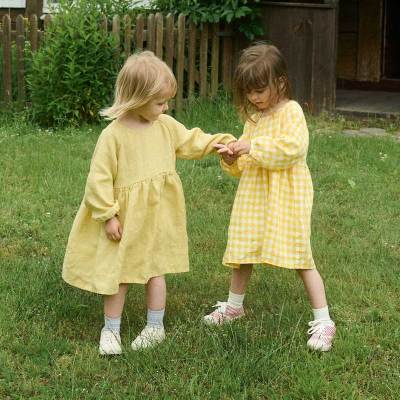
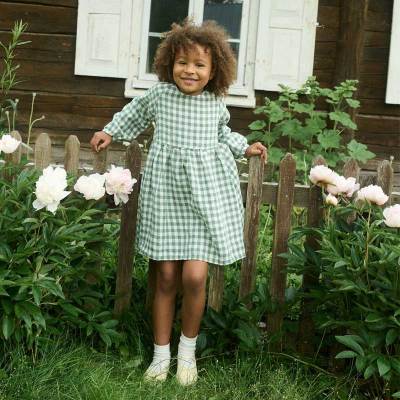
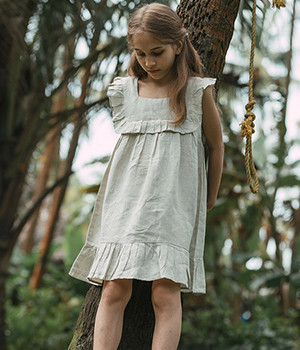
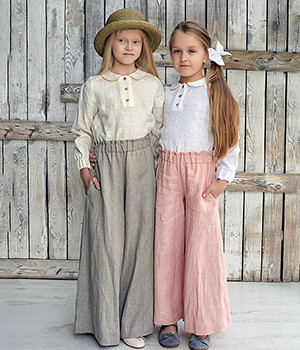
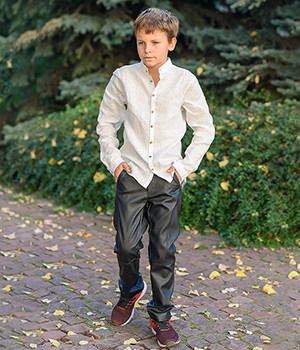
| Apparel | Shirts, blouses, summer dresses, skirts, trousers, shorts, children's clothing | Good drape, easy care, comfortable against skin |
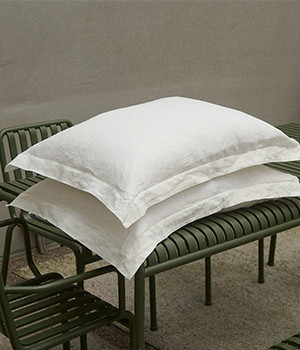
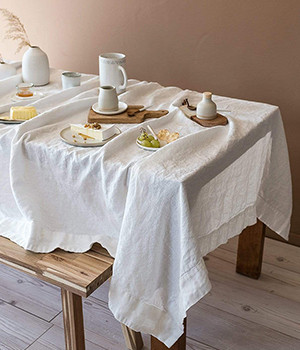
| Home Textiles | Tablecloths, napkins, cushion covers, lightweight curtains | Natural look with easier laundering than pure linen |
| Uniforms & Workwear | Corporate shirts, hospitality uniforms, chef aprons | Professional appearance with less ironing required |
| Travel & Resort Wear | Lightweight shirts, packable dresses, vacation sets | Wrinkle-resistant, breathable, easy to pack and care for |
Linen-Cotton vs Other Linen Blends
| Blend Type | Key Advantage | Limitation | Best For |
|---|---|---|---|
| Linen-Cotton (55/45) | Balanced softness, durability, easy care | Moderate breathability | Shirts, dresses, home textiles |
| Linen-Rayon (50/50) | Excellent drape and fluidity | Weaker when wet, higher cost | Dresses, skirts, flowing tops |
| Linen-Viscose (55/45) | Soft hand feel, vibrant color absorption | Similar wet weakness | Blouses, resort wear |
| Linen-Tencel (50/50) | Eco-friendly, silky texture | Higher cost than cotton blends | Luxury apparel, loungewear |
| Linen-Polyester (50/50) | Wrinkle-free, highly durable | Less breathable, not biodegradable | Uniforms, travel wear, workwear |
How to Choose the Right Linen-Cotton Blend for Your Product
When sourcing linen-cotton fabric for production, evaluate these five parameters:
- Linen percentage. Higher linen content (60%+) preserves natural texture and breathability but wrinkles more. Lower linen content (under 50%) prioritizes softness and easy care. Specify your target balance before sampling.
- Fabric weight (GSM). 120-150 GSM for shirts and blouses, 150-200 GSM for pants and skirts, 200+ GSM for jackets and structured garments. Heavier weights drape better but reduce breathability.
- Weave type. Plain weave for crisp, breathable shirts. Twill weave for softer drape and higher durability. Herringbone or dobby weaves for textured fashion pieces.
- Finish. Enzyme-washed fabric arrives pre-softened. Pre-shrunk finishing ensures dimensional stability. Stone-washed finishes create a vintage, relaxed look.
- Color and dye. Linen-cotton blends accept reactive and fiber-reactive dyes well. Custom Pantone dyeing is available for bulk orders.
Care Instructions for Linen-Cotton Blend Garments
Brands should include these care recommendations to maximize garment lifespan and customer satisfaction:
- Machine wash at 30-40°C on a gentle cycle
- Use mild, color-safe detergent
- Avoid bleach and fabric softeners
- Air dry flat or tumble dry on low heat
- Iron while slightly damp at medium temperature (cotton setting)
- Store in a cool, dry place away from direct sunlight to prevent fading
Sustainability: Where Does Linen-Cotton Stand?
Linen-cotton blends occupy a middle ground in environmental impact. Flax (linen) requires significantly less water, fewer pesticides, and less land than cotton. The European Flax certification and Masters of Linen label ensure sustainable sourcing for European-grown flax. However, conventional cotton farming has a higher environmental footprint. For brands prioritizing sustainability, a linen-dominant blend (70/30 or higher) or certified organic cotton in the blend component is recommended.
At Linenwind, we source our linen from certified European mills and offer organic cotton options for our linen-cotton blend production. We also use OEKO-TEX certified processes to ensure chemical safety across all fabric types.
Linenwind: Your Linen-Cotton Blend Garment Manufacturer
Linenwind is a professional custom garment manufacturer specializing in linen and linen-blend apparel. We help fashion brands, boutiques, and private label clients develop linen-cotton blend garments with stable quality, competitive pricing, and flexible production. Our capabilities include:
- Low MOQ — 60 pieces per style per color, ideal for market testing and capsule collections
- OEM & ODM Services — From your tech pack or our design suggestions
- Fabric Sourcing — Multiple linen-cotton ratios and weights available for sampling
- Sampling — 7-14 days turnaround, with revisions supported before bulk
- Bulk Production — 20-30 days lead time, with in-line and final quality inspection
- Certifications — ISO 9001, OEKO-TEX, SEDEX compliant manufacturing
Explore our product categories:
Custom Linen Tops | Custom Linen Bottoms | Custom Linen Dresses | Custom Linen Loungewear
Frequently Asked Questions
Is linen-cotton blend better than pure linen?
It depends on your brand's priorities. Linen-cotton is softer, easier to care for, and less expensive. Pure linen is more breathable, more durable, and more sustainable. Many brands use both across different product lines within the same collection.
Does linen-cotton blend shrink?
Less than pure linen. Expect 2-3% shrinkage with pre-shrunk fabric. For fitted garments, we recommend specifying pre-shrunk finishing during production.
What is the best linen-to-cotton ratio for shirts?
The 55/45 ratio (linen/cotton) is the most popular for shirts. It provides enough linen character for the natural look while keeping the fabric soft enough for all-day wear and easy ironing.
Can I get custom colors in linen-cotton blend?
Yes. Linen-cotton blends accept both reactive and fiber-reactive dyes. We offer custom dyeing to Pantone specifications for bulk orders. Minimum color quantity applies.
Is linen-cotton blend suitable for sensitive skin?
Yes. Both linen and cotton are natural, hypoallergenic fibers. The blend is gentle on skin and suitable for children's clothing and people with skin sensitivities.
Can Linenwind produce garments from my own linen-cotton fabric?
Yes. We accept customer-supplied fabric (CMT — Cut, Make, Trim) as well as full fabric sourcing. Both options support the same quality control standards and production timeline.
Ready to develop your linen-cotton blend collection? Contact us to discuss your fabric requirements, target price point, and sampling plan.