Casual Chic Linenwear Custom Manufacturing
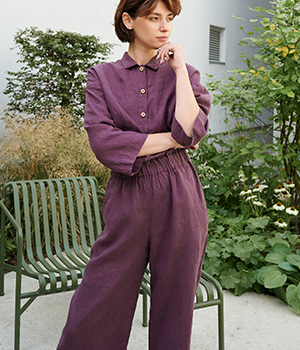
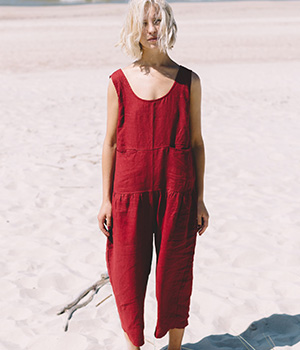
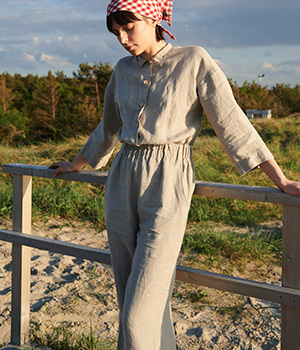
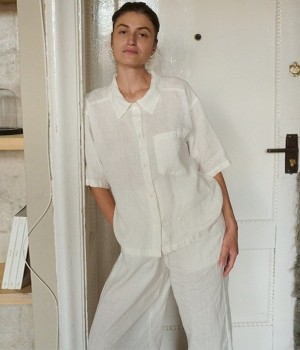
What types of linen fabrics do linen clothing manufacturers use?
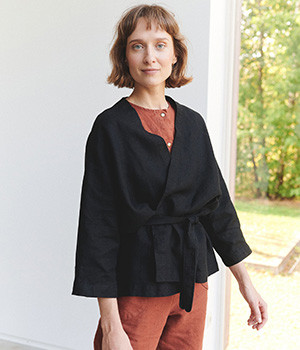
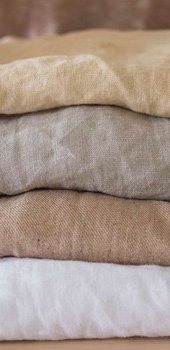
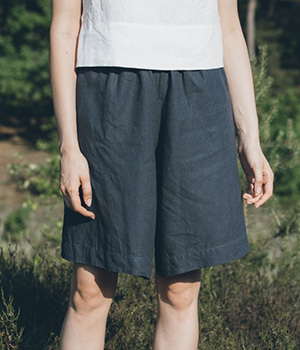
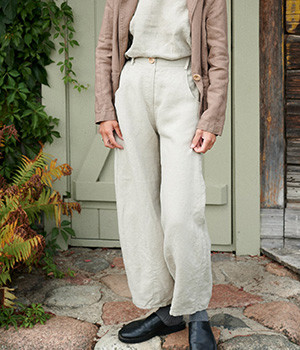
Linen clothing manufacturers work with two broad groups of fabric: 100% pure linen and linen blends (linen–cotton, linen–viscose, linen–Tencel, and linen–hemp). Within each group, the fabric is further defined by weave structure (plain, twill, damask, herringbone) and fabric weight (GSM), which together determine drape, durability, opacity, and price. For most apparel programs, manufacturers recommend a specific construction based on the garment type, target climate, and brand budget — not a single "best" fabric for everything. The most breathable and durable option, made entirely from flax fiber. It has a natural slub texture, absorbs moisture quickly, and becomes softer with every wash. Best for: premium shirts, summer dresses, trousers, sustainable collections, resortwear. Typically 30–55% linen blended with cotton. Softer against the skin and less prone to creasing than pure linen, while keeping most of the breathability. Best for: everyday tops, casual shirts, entry-level linen programs, kidswear. Viscose adds fluid drape and a smooth surface, reducing the stiffness of pure linen. These blends dye well and are popular in womenswear. Best for: dresses, blouses, camisoles, skirts, fashion-forward silhouettes. Beyond these three, manufacturers also use linen–Tencel (lyocell) blends for premium eco-friendly programs — Tencel adds softness and moisture management while keeping the flax character — and linen–hemp blends when brands want a stronger, more textured fabric with a lower environmental footprint. Each blend changes the hand feel, the drape, and the finishing requirements, which is why the fiber ratio should be decided together with the garment pattern rather than in isolation. After choosing the fiber composition, manufacturers select a weave and weight: Weight is measured in GSM. Lightweight linen (100–150 GSM) suits blouses and dresses; mid-weight (150–200 GSM) works for pants, skirts, and structured shirts; heavyweight (200 GSM+) is used for outerwear and home textiles. The same weave can feel completely different at different weights, so a good manufacturer confirms both parameters before sampling. The blend percentage is the single most important spec on a linen fabric data sheet. A 55/45 linen–cotton behaves very differently from a 30/70 version: the former keeps the crisp flax character with moderate softness, while the latter feels closer to a soft cotton poplin with only a hint of linen texture. The same logic applies to linen–viscose, where a 70% viscose fabric drapes like a silk substitute and a 60%+ linen version stays airy and textured. For this reason, when a brand sends us a reference garment or a fabric photo, we first identify the likely fiber ratio and weight, then confirm with swatches before sampling. Getting the ratio wrong at the fabric stage is the most common cause of sampling delays — the garment pattern may be perfect, but the fabric hand feel or drape does not match the design intent. In practice, our factory evaluates five factors before recommending a fabric: It also matters how the fabric will be cut. Fine, lightweight linen needs careful spreading and cutting to avoid distortion, while heavier twills are more forgiving in production. A manufacturer with in-house cutting and sewing experience can flag these issues before you commit to a fabric, saving both sampling time and production waste. To avoid costly surprises in sampling, ask these questions up front: These questions matter because linen is a natural fiber with inherent variation. The same style number can feel different from lot to lot, so a reliable manufacturer keeps a record of each batch and tests every development fabric for wash stability before sampling — this is standard practice at Linenwind. At Linenwind, a custom linen clothing manufacturer with 20+ years of garment production experience, we keep a library of 100% linen and blended stock fabrics, and we test every development fabric for shrinkage and wash stability before sampling. Our standard MOQ is 60 pieces per color, which lets small brands start with stock linen fabrics, while custom blends and yarn-dyed options support larger private-label programs. We recommend the fabric together with the pattern so the construction and fiber match the design intent. During development, we share swatches, confirm shrinkage and GSM, and agree on the finishing (enzyme wash, stone wash, or pre-shrunk) before bulk production starts. This process applies to both OEM orders, where you supply the design, and ODM projects, where we develop the style from a sketch or reference garment. Is 100% linen always better than a blend? Which linen fabric is best for dresses? Does the fabric choice affect MOQ? Can the manufacturer recommend the fabric? Discuss Your Linen Fabric Options View Our OEM/ODM Services Browse Custom Linen Dresses Source: Linenwind Custom Linen Clothing Manufacturer — fabric selection based on in-house development records, 2026.What Types of Linen Fabrics Do Linen Clothing Manufacturers Use?
1. The Three Main Fabric Groups Used in Production
100% Pure Linen
Linen–Cotton Blends
Linen–Viscose / Linen–Rayon Blends
2. Weave Structure and Weight (GSM) — the Second Decision Layer
3. How Fiber Ratio Changes the Fabric Behavior
4. How to Choose the Right Linen Fabric for a Garment Line
5. Quick Comparison of Common Linen Fabrics
Fabric Breathability Drape Wrinkle Relative Cost Typical Use 100% linen (plain) Highest Crisp High High Shirts, dresses 100% linen (twill) High Structured Medium High Pants, jackets Linen–cotton High Soft Medium Medium Casual tops Linen–viscose Medium-high Fluid Low Medium Dresses, blouses Linen–Tencel High Smooth Low Medium-high Premium eco apparel 6. What to Ask a Manufacturer Before Confirming a Fabric
7. Linenwind's Approach to Fabric Selection
8. Frequently Asked Questions
No. Pure linen offers the highest breathability, but blends improve softness, drape, and wrinkle resistance. The right choice depends on the garment and market.
Medium-weight pure linen (150–180 GSM) for structured dresses, or linen–viscose for fluid, bias-cut styles.
Yes. Stock fabrics can be produced at lower MOQs (from 60 pieces), while custom blends, yarn-dyed weaves, or special finishes require larger minimums.
Yes. Experienced OEM and ODM manufacturers guide brands through fiber, weave, weight, and finishing decisions during development.