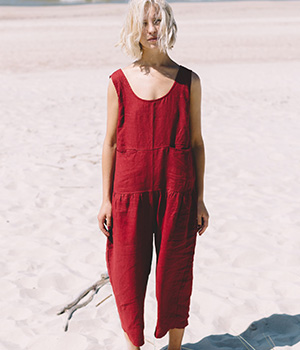
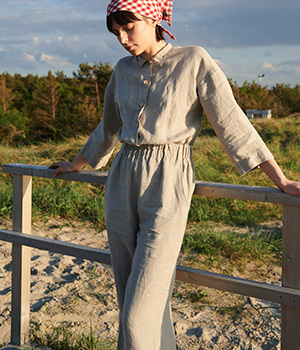
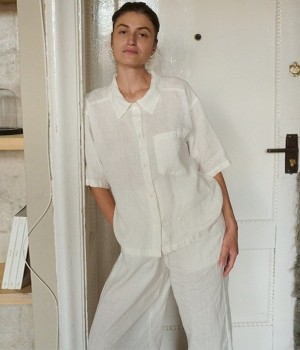
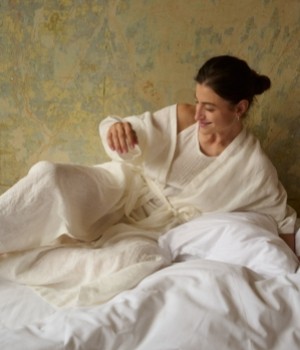
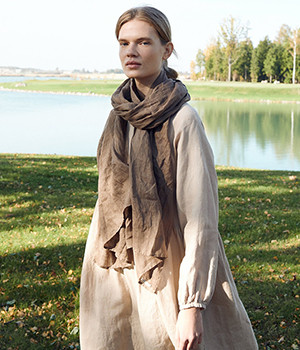
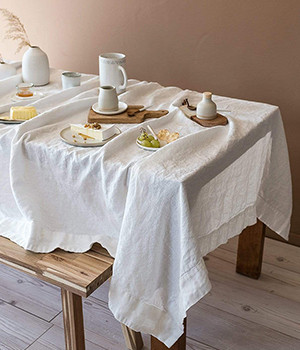
What Is Linen Fabric? A Complete Guide for Fashion Brands
What Is Linen Fabric? A Complete Guide for Fashion Brands
Linen fabric is a natural textile woven from the bast fibers of the flax plant, known scientifically as Linum usitatissimum. It is one of the oldest fibers in human history, prized for breathability, durability, and a distinctive natural texture that softens beautifully with every wash. For fashion brands, understanding what linen fabric really is — how it is grown, spun, woven, and finished — is the foundation for making confident sourcing decisions, choosing the right weight and blend, and communicating an authentic sustainability story to end customers.
This guide explains what linen fabric is in plain terms, walks through the full journey from flax field to finished cloth, compares linen with cotton and other natural fibers, and shows how a specialist manufacturer such as Linenwind turns raw linen into custom garments for brands in the EU, US, Australia, and beyond. Every factory figure used here — MOQ, sampling time, production lead time, capacity, and certifications — reflects Linenwind's actual production parameters, so the information is directly usable in your sourcing evaluation.
Whether you are a startup planning a first capsule collection, a boutique label expanding into natural fibers, or a buying team comparing linen suppliers, this guide gives you the technical and commercial background you need before you request a quote.
What Is Linen Fabric? Definition in Plain Terms
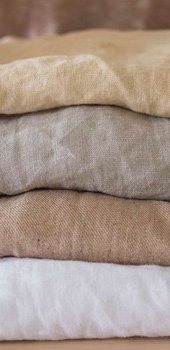
Linen is a natural fiber extracted from the stem of the flax plant. Unlike cotton, which grows around the seeds of the cotton plant, linen is a bast fiber — it comes from the inner bark of the plant stem. The fibers are long, smooth, and slightly irregular, which gives linen fabric its characteristic slubbed texture and natural luster.
At the chemical level, linen fiber is composed mainly of cellulose, typically around 70–80%, together with smaller amounts of hemicellulose, lignin, and pectin. This high cellulose content is what gives linen its strength, its ability to absorb moisture, and its complete biodegradability. When you hold a piece of 100% linen fabric, you are holding a plant-based material that requires no synthetic additives to perform — a fact that matters more every year as brands respond to tightening EU sustainability regulations and consumer demand for traceable natural fibers.
Archaeological evidence places linen among the oldest textiles known, with fragments of flax fabric found in prehistoric European sites and fine linen used to wrap Egyptian mummies. European flax from France, Belgium, and the Netherlands is widely regarded as the premium origin for linen production, and it remains the benchmark that many fashion brands specify in their tech packs. That heritage is one reason linen carries a higher perceived value than commodity cotton — and why a linen garment can support a premium retail price point.
From Flax Field to Fabric: How Linen Is Made
Linen production is a long, labor-intensive process, which explains both its cost and its unique character. Understanding each stage helps you evaluate supplier claims and set realistic expectations for lead times.
- Growing and harvesting flax. Flax is an annual crop grown mainly in temperate regions. It is harvested before full maturity and pulled from the soil by the root rather than cut, preserving maximum fiber length. Rain-fed flax in Europe can grow with minimal irrigation — a key sustainability advantage over cotton.
- Retting. The harvested stalks are left in the field (dew retting) or submerged in water (water retting) so that natural microorganisms decompose the pectin binding the fibers to the woody stem. This is the step that most influences fiber quality and color.
- Scutching and hackling. The retted stems are broken and beaten to separate the fiber from the woody core, then combed to align the long fibers and remove short ones. Long-staple fiber from this stage produces the finest, smoothest linen yarns.
- Spinning. The aligned fibers are twisted into yarn. Linen yarn can be spun wet or dry — wet spinning produces smoother, stronger, finer yarn and is typical for premium apparel linen.
- Weaving. The yarn is woven into fabric on looms in a range of weaves — plain, twill, damask, huck, or loose weaves — each creating a different hand feel and drape.
- Finishing. The greige (unfinished) cloth is washed, optionally bleached or dyed, softened, and pre-shrunk. Proper finishing determines colorfastness, shrinkage behavior, and final softness.
Because this full chain takes time, genuine linen production cannot be rushed. A manufacturer that quotes impossibly short lead times for linen garments is likely cutting corners on retting or finishing quality. At Linenwind, our standard sampling cycle is 7–14 days and bulk production runs 25–35 days after sample approval, which reflects the real time the material needs at each stage.
Key Properties of Linen Fabric
Six properties explain why linen keeps appearing in premium collections across shirts, dresses, trousers, jackets, and resortwear. These are measurable, material-level characteristics, not marketing claims.
Breathability & Moisture Management
Linen's hollow fiber structure lets air circulate freely and absorbs up to about 20% of its own weight in moisture while still feeling dry on the skin. It wicks sweat away and dries roughly twice as fast as cotton.
Strength & Durability
Linen is 30–40% stronger wet than cotton, which means it becomes tougher during washing rather than weaker. Well-made linen garments commonly last 200+ washes, which supports a slower-fashion, longer-lifecycle product story.
Natural Luster & Texture
The smooth fiber surface reflects light, giving linen a soft sheen that synthetics imitate poorly. The characteristic slub texture adds depth and a handmade feel that reads as premium at retail.
Antibacterial & Hypoallergenic
Linen is naturally antibacterial, resists dust mites and fungi, and is gentle on sensitive skin. These qualities make it a strong choice for sleepwear, loungewear, and summer next-to-skin pieces.
Biodegradable & Low-Impact
Linen is 100% biodegradable and, when rain-fed, can be grown with far less water than cotton — commonly cited at roughly 1,700 L/kg versus about 10,000 L/kg for cotton. It sheds no microplastics in the wash.
Temperature Regulation
Linen is naturally cool in summer and provides light insulation in winter. It does not cling to the body when humid, making it a year-round fabric in many climates — useful when planning a seasonless collection.
Main Types of Linen Fabric and Weaves
Not all linen is the same. The weave, yarn quality, and finish define the fabric's hand feel, drape, and best end use. When writing a tech pack, specifying the weave is as important as specifying the fiber content.
| Linen Type | Weave | Hand Feel | Best For |
|---|---|---|---|
| Linen Sheeting | Plain weave | Smooth, crisp, even surface | Shirts, blouses, bedding-style apparel |
| Linen Damask | Jacquard weave | Patterned, elegant, decorative sheen | Dresses, occasionwear, tabletop |
| Linen Twill | Twill weave | Soft, flexible, drapes well | Trousers, jackets, workwear-inspired pieces |
| Loose-Weave Linen | Open plain weave | Airy, rustic, highly breathable | Summer tops, resortwear, scarves |
| Slubbed Linen | Plain weave, slub yarn | Textured, casual, artisanal | Relaxed shirts, dresses, home textiles |
| Huck (Honeycomb) Linen | Huckaback weave | Absorbent, soft, slightly ribbed | Toweling fabrics, casual separates |
Fiber origin also matters. Long-staple European flax generally produces finer, smoother, stronger yarn than short-staple fiber, which is why many premium brands specify European flax in their sourcing documents. Linenwind offers European flax options as well as standard linen from Asian mills, so brands can match fiber origin to their price point and quality target.
Linen Fabric Weights and Blends: Choosing What Fits Your Collection
Fabric weight, measured in grams per square meter (gsm), determines how a linen garment drapes, feels, and performs. Choosing the right weight for each silhouette is one of the most common questions brands ask during development, and it directly affects both unit cost and customer satisfaction.
| Weight Range | Feel | Typical Garments |
|---|---|---|
| 100–140 gsm | Light, airy, semi-sheer | Blouses, dresses, scarves, summer layers |
| 140–180 gsm | Classic shirt-weight, crisp | Shirts, tunics, skirts, relaxed dresses |
| 180–220 gsm | Structured, substantial | Trousers, jackets, jumpsuits, outerwear |
| 220–260 gsm | Heavy, sturdy, tailored | Blazers, coats, heavy workwear |
Linen is also frequently blended to adjust performance. The most common blends and their trade-offs are worth knowing before you brief a supplier:
- Linen-cotton (e.g., 55/45): reduces wrinkling and softens the hand feel while keeping much of linen's breathability; popular for shirts and dresses.
- Linen-rayon/viscose: adds fluid drape and reduces creasing; commonly used for resortwear and dresses, though it lowers the natural-fiber story.
- Linen-Tencel: a silky, eco-positioned blend with excellent drape; favored by designer brands.
- Linen-hemp: highly durable and rustic; popular in sustainable niche collections.
At Linenwind, the standard fabric library covers five weights from 100 to 260 gsm and more than 30 colors across pure linen and linen blends, including linen-cotton, linen-rayon, and linen-viscose. If you need a specific weight, blend ratio, or European flax origin, we can source to your specification as part of the development process.
Linen vs Cotton vs Other Natural Fibers
Most sourcing conversations start with linen versus cotton, because cotton is the default reference point in apparel. The table below summarizes the differences that matter for product decisions, using commonly cited industry data for fiber-level properties.
| Property | Linen | Cotton | Hemp |
|---|---|---|---|
| Fiber source | Flax stem (bast fiber) | Cotton boll (seed fiber) | Hemp stem (bast fiber) |
| Water use in cultivation | ~1,700 L/kg, often rain-fed | ~10,000 L/kg, irrigation-heavy | Low, rain-fed possible |
| Wet strength | 30–40% stronger when wet | Weaker when wet | Very strong |
| Moisture absorption | ~20% of weight, dries fast | ~25% of weight, dries slower | High, dries fast |
| Breathability | Excellent, hollow fibers | Good | Excellent |
| Durability | 200+ washes typical | 80–100 washes before thinning | Very high |
| Wrinkle tendency | High (natural crease aesthetic) | Moderate | High |
| Hand feel | Crisp, softens over time | Soft from the start | Rough at first, softens |
| Fabric cost (OEM) | $6–12 per yard | $3–8 per yard | Comparable to linen |
| Retail positioning | Premium, natural luxury | Mid-range | Premium niche |
The practical takeaway for buyers: linen costs more per yard than cotton, but it carries a higher retail ceiling, longer product life, and a stronger sustainability narrative. For brands targeting the mid-premium to premium tier, linen usually wins on margin per unit even when the fabric cost is higher. Hemp is a strong alternative for durability-focused collections, though it is less available in finished garment manufacturing and has a rougher initial hand feel.
Why Fashion Brands Are Adding Linen to Their Mix
Beyond material performance, three commercial forces are pushing linen from seasonal specialty into year-round staple territory.
Regulatory tailwinds. The EU is tightening rules around textile waste, microplastics, and product-level environmental claims. France's AGEC law and the EU Sustainable Textiles Strategy favor materials that are biodegradable and verifiable. Linen — 100% plant-based and fully biodegradable — reduces regulatory exposure compared with synthetics, and it gives brands a defensible basis for environmental claims when paired with third-party certifications such as OEKO-TEX Standard 100.
Consumer demand for traceable natural fibers. Shoppers increasingly ask what a garment is made of and where it comes from. Linen has a simple, legible supply story: a flax plant, a fiber, a fabric. Brands can communicate this story honestly without greenwashing, and linen's natural slub texture is instantly recognizable as authentic rather than engineered.
Low-MOQ accessibility. Historically, linen production was dominated by large mills with high minimums. Specialist manufacturers now support small-batch development — Linenwind's MOQ starts at 60 pieces per style and color — which lets startups and boutique brands enter the linen category with limited cash risk, test sell-through, and scale only the styles that perform.
What to Check When Sourcing Linen Fabric
Use this checklist when evaluating a linen supplier or fabric offer. These checks are practical, verifiable, and will save you from costly surprises after production starts.
Fiber content labeling: Confirm the label states the fiber composition correctly — 100% linen, or the exact blend ratio such as 55% linen / 45% cotton. Under the EU Textile Regulation (1007/2011), fiber composition must be accurate and traceable. Ask for the composition test report rather than relying on the sales sheet.
Shrinkage behavior: Linen typically shrinks 3–5% on the first wash. A reliable supplier pre-shrinks the fabric and builds allowance into the pattern. Ask what shrinkage test data was run on your specific fabric lot before cutting.
Weight verification: Confirm the gsm on paper matches the delivered fabric. Weight drift between orders is a common quality issue, so ask how the mill verifies gsm per batch.
Certifications: For EU and US markets, OEKO-TEX Standard 100 covers harmful substances, ISO 9001 covers production quality management, and SEDEX covers ethical supply chain practices. Linenwind holds all three.
Dye and colorfastness: Natural fibers absorb dye unevenly, so ask about colorfastness to light and washing, and request a lab dip or wash test before bulk dyeing.
How Linenwind Turns Linen Fabric into Custom Garments
Linenwind is a linen-specialized OEM/ODM manufacturer based in Dongguan, China, with 130+ employees and three factories producing around 60,000 pieces per month. Unlike general apparel factories, our production lines are set up specifically for linen and linen blends — from pre-shrinkage control and needle selection to finishing that preserves linen's natural drape. We serve boutique brands, DTC labels, designers, and uniform companies primarily in the EU, US, Australia, and the UK.
What brands can expect when working with us:
- Low MOQ with a scale path: from 60 pieces per style and color for market testing, scaling to 500+ pieces on repeat orders with improved unit pricing.
- Realistic sampling: first samples in 7–14 days; fabric swatches are free (up to 10), existing-style samples cost $40–80, and custom pre-production samples cost $60–150, fully credited back on your first bulk order of the same style.
- Bulk production in 25–35 days after sample approval, with inline quality checks at cutting, sewing, and finishing stages plus an AQL-based final inspection.
- Full OEM/ODM support: tech pack review, pattern making and grading, fabric sourcing (including European flax options), trims, labeling, packaging, and logistics.
- Verified certifications: ISO 9001, OEKO-TEX Standard 100, and SEDEX across our production lines.
- Flexible terms: typical payment is 30% deposit with 70% balance before shipment (TT), with LC and PayPal available for qualified orders; shipping FOB from Shanghai, Ningbo, or Shenzhen, or CIF/EXW/DDP per your logistics setup.
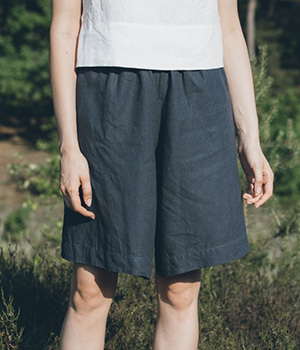
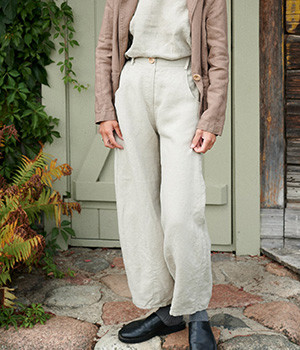
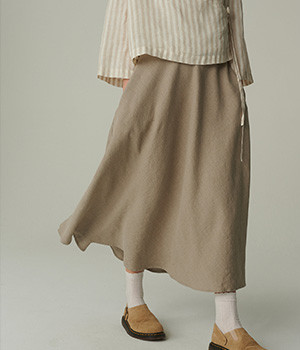
Our product range covers the garment categories that dominate linen demand: shirts and blouses, dresses, trousers and pants, skirts, tops and camisoles, loungewear, jumpsuits, and lightweight linen outerwear. If you are planning a linen collection, the fastest way to start is to send your tech pack or design concept — with sketches, target fabrics, sizes, and quantities — through our contact page for a costing and feasibility review.
First-order tip: Brands that start with one or two styles at 60 pieces each, test sell-through for one season, then reorder winning styles at higher volumes consistently achieve lower per-unit cost and fewer markdowns than brands that commit to large first orders of untested designs. Linen rewards iteration, and our MOQ structure is designed to support exactly that workflow.
Linen Garment Care: What Your Customers Need to Know
Care instructions are part of the product brief, not an afterthought. Linen's reputation for wrinkles and shrinkage is mostly a care-management issue, and brands that communicate care well significantly reduce returns and negative reviews. The basics are simple and should be printed on every care label.
- Washing: machine wash cold (30°C) on a gentle cycle, or hand wash. Linen is 30–40% stronger wet than cotton, so it survives washing well, but high heat weakens the fiber over time.
- Drying: air dry is best. Linen dries roughly twice as fast as cotton thanks to its hollow fiber structure, so tumble drying is rarely necessary.
- Ironing: iron while slightly damp at medium-high heat if a crisp finish is wanted. Many brands instead embrace the natural crease as part of the aesthetic — a deliberate design choice that reduces care burden for the customer.
- Shrinkage expectation: with proper pre-shrinking at the factory, post-purchase shrinkage should stay within 3–5% on the first wash. State this honestly on the product page rather than promising zero shrinkage.
From a sourcing perspective, care labeling is also a compliance matter. EU and US markets require accurate fiber composition and care symbols on labels, and the fiber content must match the actual fabric. When we produce custom linen garments, label content is reviewed against your target market's labeling rules as part of the pre-production check.
Frequently Asked Questions
Final Thoughts
Linen fabric is not a trend — it is one of the most durable, breathable, and genuinely sustainable materials available to fashion brands, with a production story that is transparent and defensible. The brands that win with linen are those that match the right weave, weight, and blend to each silhouette, work with a manufacturer that understands linen's behavior at every production stage, and use low-MOQ development to iterate toward proven styles.
If you are evaluating linen for your next collection, start with the basics covered here, then bring your specific questions to a specialist. You can explore our linen product range, read more linen sourcing articles, or learn about our company and production setup. When you are ready to move forward, contact Linenwind with your tech pack or concept — we respond within 1–2 business days with fabric recommendations, costing, and a realistic timeline.
60 pieces per style. 7–14 day sampling. 25–35 day bulk production. ISO 9001, OEKO-TEX, and SEDEX certified.