
Casual Chic Linenwear Custom Manufacturing




















Industry News
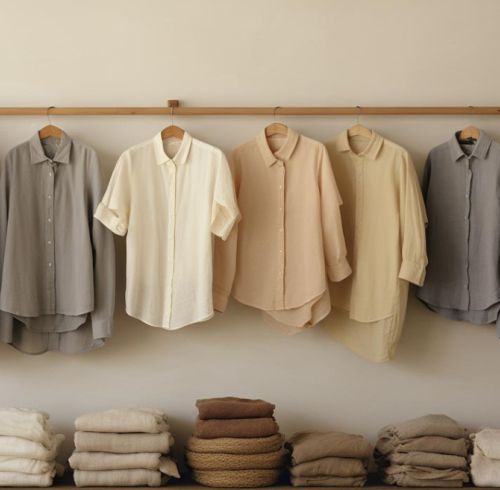
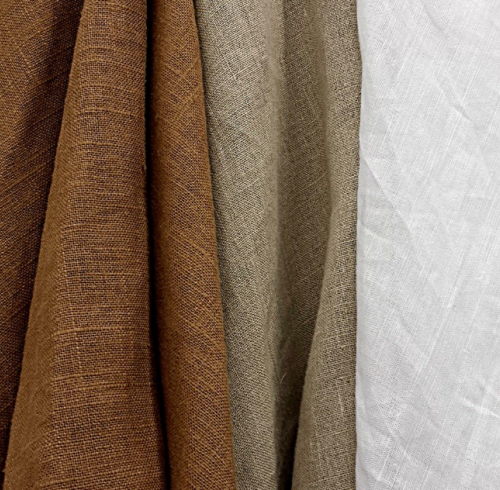
 Linenwind Autumn/Winter 2026 Preview: Fabrics, Colors and Production SlotsAutumn/Winter 2026 is the season Linenwind moves its linen programme into heavier weights, softer washed finishes and a warmer, deeper colour palette. This preview sets out the fabrics, the colour direction and the production slots available, so brands can line up swatches and reserve capacity before the Q4 calendar tightens.Oct 10,2026
- 2026 US Tariff & De Minimis Update: What Linen Brands Sourcing from China Need to KnowTwo 2026 changes reset US import costs for linen brands. The Section 321 de minimis exemption (US$800) is now indefinitely suspended, so every low-value shipment needs entry and pays duty. In July 2026 USTR also imposed new Section 301 tariffs on products of 60 economies over forced-labour enforcement, at 10 or 12.5 percent by origin. This guide explains how MFN, Section 301, IEEPA and de minimis layers stack, and what to check before your next linen order.Sep 30,2026
- France's Anti-Fast-Fashion Law 2026: Eco-Score, Ad Restrictions and What Linen Brands Should KnowFrance's anti-fast-fashion law combines environmental score display, advertising restrictions and an environmental penalty per item, building on the AGEC law and the Refashion textile EPR scheme. For linen brands the direction is favourable: durability, clear fibre identity and documented standards are exactly what these rules reward. This guide explains the three mechanisms, how the eco-score works, what changes in supplier selection, and the steps to complete before the 2027 season.Sep 22,2026
- EU PFAS Restriction in Textiles 2026: Why PFAS-Free Linen Becomes a Compliance AdvantagePFAS are being restricted in textiles, and linen stands to benefit. The EU REACH restriction on PFHxA (Commission Regulation (EU) 2024/2462) covers textiles used in clothing, with application dates in October 2026, while the universal PFAS restriction covering around 10,000 substances is still under ECHA assessment. France has banned PFAS in clothing textiles since 1 January 2026. This guide shows where PFAS enters linen supply chains and why uncoated linen is a compliance advantage.Sep 15,2026
- EU CSDDD in 2026: Supply-Chain Due Diligence and Why Linen Manufacturers Are Becoming Strategic PartnersThe EU CSDDD (Directive (EU) 2024/1760) now pushes supply-chain due diligence from the largest fashion brands down to their linen suppliers. This guide explains who is in scope in 2026, the amended 2028-2029 timeline, and how linen manufacturers with real factory control, recognised certifications and transparent data become strategic sourcing partners.Sep 13,2026
- EU Green Claims Directive 2026: What Fashion Brands Must Prove Before Marketing Linen as SustainableThe EU's green-claims rules tighten in 2026. Under Directive (EU) 2024/825, applying from 27 September 2026, fashion brands must substantiate environmental claims: no generic 'eco-friendly' or 'green' wording, no unverified sustainability labels, and no offset-based 'climate neutral' claims. This guide explains what the framework requires, which linen claims hold up, and the evidence manufacturers must document. From LINENWIND, a Dongguan linen clothing manufacturer with 20+ years in OEM/ODM.Sep 11,2026
- EU Textile Sorting & Separate Collection Rules: Why Linen Clothing Manufacturers Are Best Positioned for the Next Recycling EraEU Textile Sorting & Separate Collection Rules: Why Linen Clothing Manufacturers Are Best Positioned for the Next Recycling Era.In 2025, the European Union officially enforces new rules requiring separate collection, classification, and sorting of textile waste across member states.This regulation marks a critical step in the EU’s circular economy strategy: textiles must be identifiable, sortable, and recyclable at scale.Dec 27,2025
- EU Mandatory EPR for Apparel: Why Linen Clothing Manufacturers Are Becoming Essential Partners in 2025EU Mandatory EPR for Apparel: Why Linen Clothing Manufacturers Are Becoming Essential Partners in 2025Dec 26,2025
- EU Overproduction Accountability Explained: Why Linen Clothing Manufacturers Gain a Strategic Advantage in 2025EU Overproduction Accountability Explained: Why Linen Clothing Manufacturers Gain a Strategic Advantage in 2025.In 2025, the European Union moves one step further in regulating fashion waste by introducing Overproduction Accountability measures under its Circular Economy framework.Unlike previous policies focused on materials or disposal, this approach directly targets how much fashion brands produce—and whether that volume can be responsibly absorbed by the market.Dec 25,2025
- EU Ban on Destroying Unsold Clothing: Why Linen Apparel Becomes the Smartest Low-Risk Choice in 2025EU Ban on Destroying Unsold Clothing: Why Linen Apparel Becomes the Smartest Low-Risk Choice in 2025.In 2025, the European Union takes one of its strongest actions yet against fashion waste by enforcing regulations that prohibit or severely restrict the destruction of unsold clothing.Dec 24,2025
Under the updated EU Ecodesign for Sustainable Products Regulation (ESPR) and Circular Economy Action Plan, brands must now take responsibility for what happens after production—not just what sells. - EU Resale & Reuse Rules Explained: Why Linen Clothing Is Built for the Second Life Economy in 2025EU Resale & Reuse Rules Explained: Why Linen Clothing Is Built for the Second Life Economy in 2025.In 2025, the European Union accelerates its transition toward a circular fashion economy by strengthening Resale & Reuse regulations. What was once a voluntary sustainability initiative is becoming a structural market requirement: garments sold in the EU must be suitable for reuse, resale, and extended circulation.Dec 23,2025
- EU Durability Rating Explained: Why Long-Lasting Linen Clothing Becomes a Competitive Standard in 2025EU Durability Rating Explained: Why Long-Lasting Linen Clothing Becomes a Competitive Standard in 2025Dec 22,2025






News Group


Are you looking for a reliable manufacturer of linen clothing products?
We can quickly provide customers with market analysis, technical support and customized services.