







EU Ban on Destroying Unsold Clothing: Why Linen Apparel Becomes the Smartest Low-Risk Choice in 2025
Introduction
In 2025, the European Union takes one of its strongest actions yet against fashion waste by enforcing regulations that prohibit or severely restrict the destruction of unsold clothing.
Under the updated EU Ecodesign for Sustainable Products Regulation (ESPR) and Circular Economy Action Plan, brands must now take responsibility for what happens after production—not just what sells.
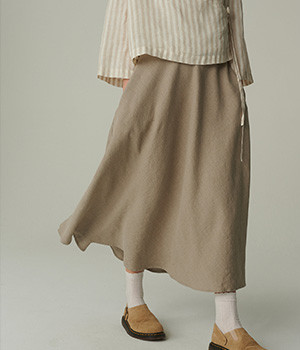
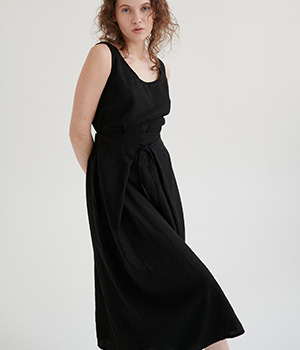
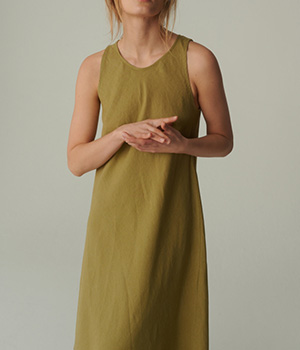
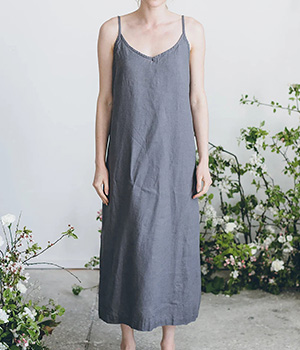
This regulation is fundamentally changing how brands plan inventory, choose materials, and select suppliers. As a result, linen clothing—known for seasonless appeal, durability, and resale potential—is rapidly emerging as a preferred category, increasing demand for experienced Linen Clothing Manufacturers.
1. What Is the EU Regulation on Unsold Clothing Destruction?
The EU now restricts brands from:
Destroying or landfilling unsold apparel
Incinerating excess inventory without justification
Treating overstock as disposable waste
Instead, brands are encouraged—or required—to:
Prevent overproduction
Design products for longer selling cycles
Enable resale, reuse, donation, or recycling
Report unsold inventory volumes
Improve forecasting and production planning
For brands, unsold stock is no longer a hidden cost—it is a regulatory liability.
2. Why Overstock Is Now a Strategic Risk for Fashion Brands
Under this regulation, unsold inventory creates multiple challenges:
✔ Storage & logistics costs increase
✔ Regulatory reporting adds operational pressure
✔ Overstock damages sustainability scores
✔ Excess inventory blocks cash flow
✔ Destruction bans remove a traditional “exit option”
Brands that rely on trend-driven, short-life products are especially exposed.
This is forcing a shift toward materials and categories that can sell longer and adapt better across seasons.
3. Linen's Natural Advantage in a No-Destruction Policy Environment
Linen is uniquely positioned under a “no destruction” framework:
🌿 Seasonless selling
Linen garments work across spring, summer, and transitional seasons.
🌿 Timeless aesthetics
Natural textures and classic silhouettes avoid trend obsolescence.
🌿 High durability
Unsold linen does not degrade in storage or lose value quickly.
🌿 Resale & reuse readiness
Linen performs well in resale, donation, and recommerce channels.
🌿 Low material risk
Natural fibers face fewer recycling and disposal restrictions.
Because of these traits, linen collections are far less risky to hold, reallocate, or relaunch compared to fast-fashion synthetics.
4. Inventory Regulations Are Changing How Brands Choose Manufacturers
Brands adapting to the ban on destruction increasingly expect manufacturers to:
Support low-MOQ production
Enable small-batch testing
Offer stable repeat production
Avoid unnecessary complexity
Provide consistent quality across seasons
This shift strongly favors professional Linen Apparel OEM partners with flexible production models rather than volume-driven factories.
5. Linenwind Perspective: Manufacturing Linen for Inventory Safety
At Linenwind, we see the ban on destroying unsold clothing as a turning point—one that rewards responsible production and smart material choices.
With 20 years of experience in linen clothing manufacturing, we help brands reduce inventory risk while remaining compliant, creative, and profitable.
Why Brands Choose Linenwind
🌿 Eco-friendly linen aligned with EU circular economy goals
⚙ Full in-house OEM & ODM services — design, sampling, cutting, sewing, finishing & packaging
🛎 Low MOQ of 60 pieces, ideal for avoiding overproduction
🔍 Strict QC ensuring long-term sellability and durability
🤝 Dedicated account managers for inventory-conscious brands
We help brands build linen collections that sell longer—and stay valuable even if they don’t sell immediately.
👉 Custom Linen Shirts Collection
6. Design & Production Strategies That Reduce Unsold Inventory Risk
From a manufacturing perspective, inventory-safe linen garments often feature:
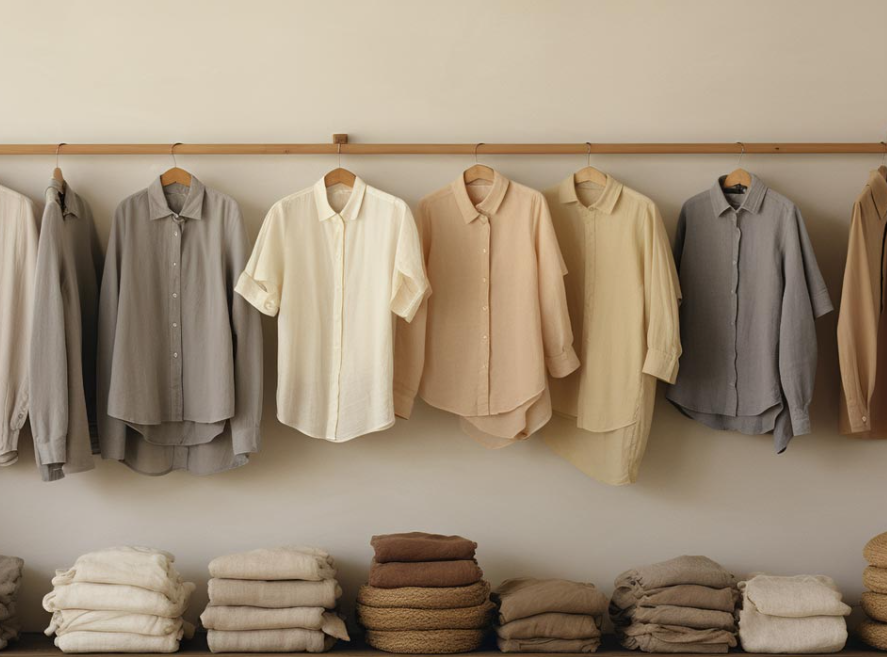
✔ Neutral, carry-over color palettes
✔ Classic silhouettes that remain relevant
✔ Fabric weights suitable for multi-season use
✔ Durable construction that allows delayed sales
✔ Styles that can be reintroduced or rebranded
These strategies help brands comply with the regulation while protecting margins.
7. Retailers Will Penalize Brands with Excess Unsold Stock
EU retailers and platforms are preparing to:
Request inventory transparency
Favor brands with low overstock ratios
Reduce orders for trend-heavy collections
Promote seasonless, durable products
Align buying decisions with waste reduction goals
For brands, working with capable Linen Clothing Manufacturers becomes essential for long-term EU access.
8. How Linenwind Helps Brands Adapt to the No-Destruction Rule
To support brands navigating this regulation, we at Linenwind provide:
✓ Low MOQ (60 pcs) to minimize inventory exposure
✓ Flexible repeat production for controlled restocks
✓ Fabric and design guidance for long selling cycles
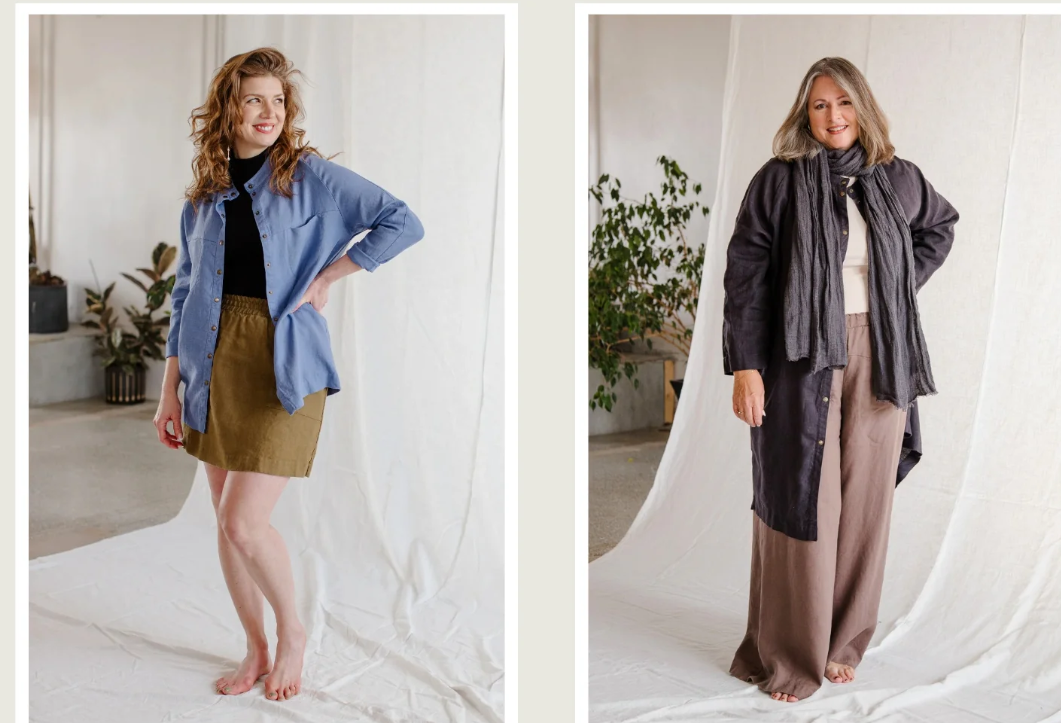
✓ Multi-category linen production (shirts, dresses, pants, sets, resortwear)
✓ Stable quality for carry-over styles
✓ Transparent QC and production communication
Our role is to help brands shift from overproduction to precision manufacturing.
9. 2025–2030 Outlook: Inventory Responsibility Will Redefine Fashion
Industry analysts predict that:
Overproduction will become a regulatory and reputational risk
Seasonless categories will outperform trend-driven fashion
Natural fibers will dominate inventory-safe strategies
Linen will become a core material for EU-focused brands
Manufacturing flexibility will matter more than sheer capacity
In this future, inventory responsibility is no longer optional—it is a competitive advantage.
Conclusion: Linen Is Built for a World Where Unsold Clothing Cannot Be Destroyed
The EU ban on destroying unsold clothing forces brands to rethink every stage of production—from forecasting to fabric choice.
Linen naturally supports this shift:
Long-selling
Durable
Resale-ready
Storage-safe
Regulation-friendly
At Linenwind, we are proud to support brands adapting to this new reality with responsible linen manufacturing, flexible low-MOQ OEM services, and inventory-smart production strategies.
👉 Start building your low-risk, inventory-safe linen collection with us:contact-us