


















EU Digital Product Passport (DPP) Explained: Why Linen Clothing Manufacturers Gain a Strategic Advantage in 2025
Introduction
In 2025, the European Union officially accelerates the rollout of the Digital Product Passport (DPP) under its Ecodesign for Sustainable Products Regulation (ESPR).
For the global fashion industry, this marks a structural shift: product compliance is no longer optional, and transparency becomes a market access requirement.
As brands prepare for mandatory DPP implementation, many are reassessing materials, suppliers, and production models. One clear conclusion is emerging—linen apparel is among the most DPP-ready product categories, driving new demand for compliant Linen Clothing Manufacturers.
1. What Is the EU Digital Product Passport (DPP)?
The Digital Product Passport is a standardized digital record that accompanies a product throughout its lifecycle.
For apparel, DPP will require brands to disclose structured data such as:
Fiber composition & origin
Manufacturing location
Environmental footprint indicators
Chemical compliance information
Repairability & recyclability data
Durability and care guidance
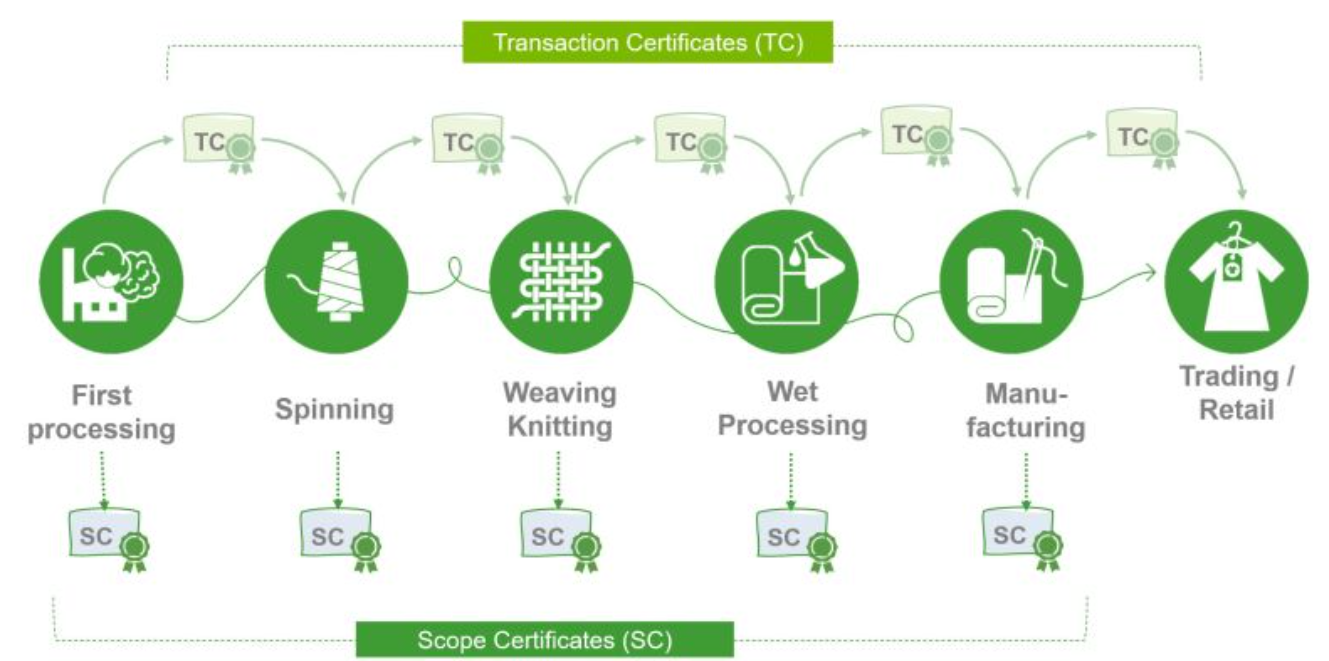
This information must be digitally accessible (via QR code, NFC, or database link) and verifiable across the supply chain.
Failure to provide compliant DPP data may restrict products from entering or being sold within the EU market.
2. Why DPP Is a Game Changer for Fashion Brands
Unlike previous sustainability guidelines, DPP is legally enforceable.
It directly impacts:
EU market access
Customs clearance & retailer onboarding
ESG scoring and buyer qualification
Consumer-facing transparency
Long-term brand credibility
For many brands, the biggest challenge lies in data collection—especially when working with complex, synthetic-heavy, or multi-tier supply chains.
3. Linen's Natural Advantage Under DPP Requirements
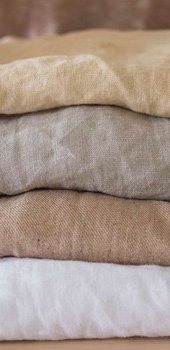
Linen stands out as one of the most DPP-friendly textile materials due to its inherent characteristics:
✔ Clear fiber origin
European flax is traceable and well-documented.
✔ Low chemical dependency
Minimal finishing processes simplify compliance.
✔ Biodegradability & recyclability
Aligns naturally with EU circular economy goals.
✔ Stable, auditable supply chain
Easier to document than blended or synthetic fibers.
✔ Strong durability profile
Supports product longevity metrics required by DPP.
This makes linen significantly easier to document, verify, and maintain under DPP compared to polyester, viscose, or complex blends.
4. DPP Is Reshaping How Brands Choose Manufacturers
Under the DPP framework, brands increasingly require manufacturers to:
Provide accurate fiber & process data
Maintain traceable production records
Support compliance documentation
Enable transparent communication
Reduce unnecessary production complexity
As a result, brands are shifting toward Linen Apparel OEM partners that offer simpler, cleaner, and more transparent manufacturing workflows.
5. Linenwind Perspective: Supporting Brands in the DPP Era
At Linenwind, we see DPP not as a burden—but as a turning point that rewards responsible materials and professional manufacturing.
With 20 years of experience in linen clothing manufacturing, we help global brands build collections that are not only market-ready, but also DPP-ready.
Why Brands Choose Linenwind
🌿 Eco-friendly linen aligned with EU sustainability & DPP principles
⚙ Full in-house OEM & ODM services — design, sampling, cutting, sewing, finishing & packaging
🛎 Low MOQ of 60 pieces, reducing overproduction and compliance risk
🔍 Structured QC & transparent production communication
🤝 Dedicated account managers experienced in EU-focused sourcing
We support brands in preparing the documentation and production transparency needed for long-term EU compliance.
👉 Custom Linen Shirts Collection
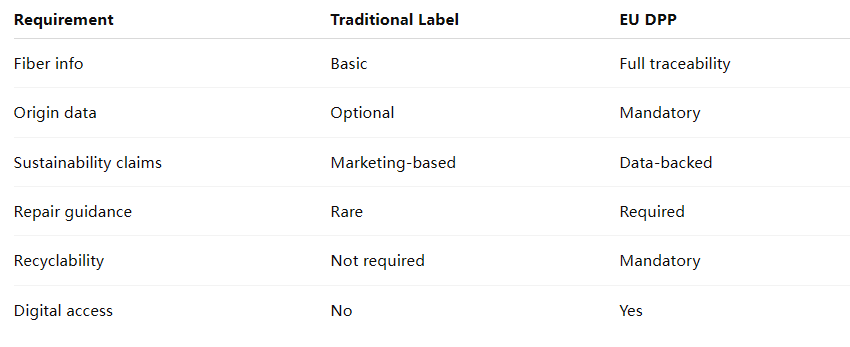
6. DPP vs Traditional Labeling: What Changes in Practice?
This shift favors brands and factories that already operate with clean materials, short supply chains, and digital-ready production systems.
7. Retailers & Platforms Will Enforce DPP Compliance
Major EU retailers and marketplaces are preparing to:
Reject non-DPP-compliant products
Prioritize suppliers with ready data systems
Penalize vague or unverifiable sustainability claims
Promote DPP-ready products in search and listings
For brands, working with the right Linen Clothing Manufacturers becomes a strategic decision—not just a sourcing one.
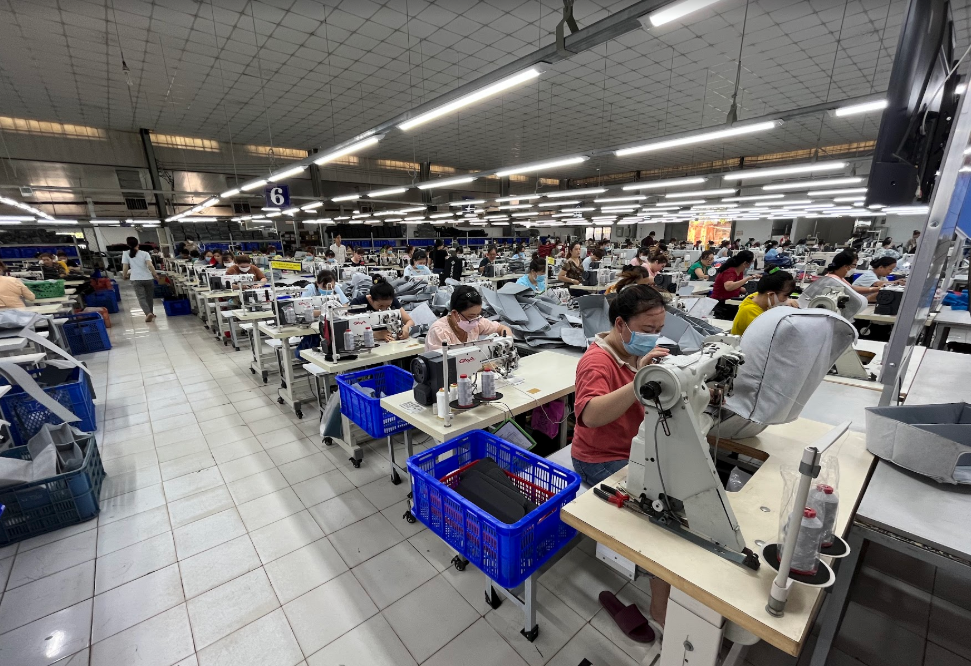
8. How Linenwind Helps Brands Prepare for DPP Compliance
To support brands entering the EU market under DPP rules, we at Linenwind offer:
✓ Clear material & process documentation
✓ Linen-focused supply chains with simplified traceability
✓ Low MOQ (60 pcs) for compliant pilot collections
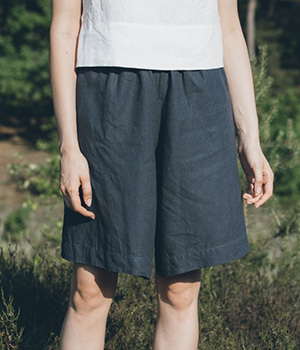
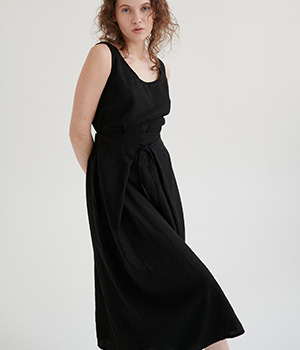
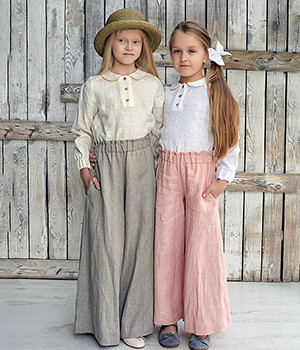
✓ Multi-category linen manufacturing (shirts, dresses, pants, sets, resortwear)
✓ Private label & packaging aligned with EU eco standards
✓ Stable long-term production for repeatable DPP data
Our goal is to help brands reduce regulatory friction while maintaining design freedom and commercial flexibility.
9. 2025–2030 Outlook: DPP Will Reshape the Global Apparel Industry
Policy analysts expect that:
DPP standards will expand beyond the EU
Other regions will adopt similar digital transparency rules
Brands without traceable supply chains will lose market access
Natural fibers will gain structural advantages
Linen will become a preferred compliance-first material
In this context, linen is no longer just a sustainable option—it becomes a regulatory-smart choice.
Conclusion: In the DPP Era, Linen Is a Competitive Compliance Advantage
The EU Digital Product Passport transforms transparency into a competitive factor.
Brands that act early—by choosing compliant materials and experienced partners—will gain long-term access to regulated markets.
Linen offers a rare combination of:
Traceability
Sustainability
Durability
Consumer trust
Regulatory alignment
At Linenwind, we are proud to help brands navigate the DPP era with responsible linen manufacturing, professional OEM support, and flexible low-MOQ production.
👉 Start building your DPP-ready linen collection with us:contact-us