


















2025 Policy Watch: Carbon Taxes and Green Trade Barriers Push Global Brands Toward Linen Clothing Manufacturing
Introduction
In 2025, environmental regulations are no longer a long-term consideration—they are an immediate commercial reality. With carbon taxes expanding, green trade barriers intensifying, and sustainability audits becoming mandatory across major markets, fashion brands are under pressure to rethink materials, suppliers, and sourcing models.
Against this backdrop, linen apparel is emerging as one of the most regulation-resilient categories. As a result, brands worldwide are accelerating partnerships with compliant, transparent Linen Clothing Manufacturers that can meet new environmental standards without inflating costs or delaying market entry.
1. Carbon Taxes Are Reshaping Fashion Cost Structures
Carbon pricing mechanisms are expanding rapidly in 2025:
✔ EU CBAM (Carbon Border Adjustment Mechanism)
Introduces carbon-related reporting and cost pressure on imported goods.
✔ UK & Canada Carbon Disclosure Requirements
Require transparent reporting on emissions across the supply chain.
✔ Asia-Pacific Carbon Trading Expansion
Encourages low-emission production and penalizes energy-intensive processes.
Synthetic-heavy garments—especially polyester and chemically processed fibers—now face higher indirect costs due to energy use, chemical processing, and emissions reporting.
Linen, by contrast, benefits from:
Low energy consumption in cultivation
Minimal chemical inputs
Reduced processing stages
Lower overall carbon footprint
This makes linen one of the most carbon-efficient textile options available to global brands.
2. Green Trade Barriers Favor Natural, Traceable Fibers
In 2025, “green compliance” has become a form of trade barrier. Major importing regions are enforcing:
Mandatory fiber traceability
Lifecycle impact disclosures
Chemical usage restrictions
Wastewater and finishing compliance
Proof of biodegradability or recyclability
For many brands, these requirements significantly increase compliance costs for synthetic or blended fabrics.
Linen naturally meets most green trade criteria, offering:
Full biodegradability
Clear fiber origin (European flax)
Low pesticide and water usage
Easier audit compliance
This positions linen as a low-friction material for cross-border trade in regulated markets.
3. Sustainability Audits Now Influence Buying Decisions
Retail buyers and distributors increasingly require suppliers to pass:
✔ ESG supplier assessments
✔ Carbon footprint evaluations
✔ Factory environmental audits
✔ Chemical compliance checks
✔ Waste management documentation
Failing these audits can block brands from:
Entering EU or UK markets
Listing on major retail platforms
Participating in government-supported trade programs
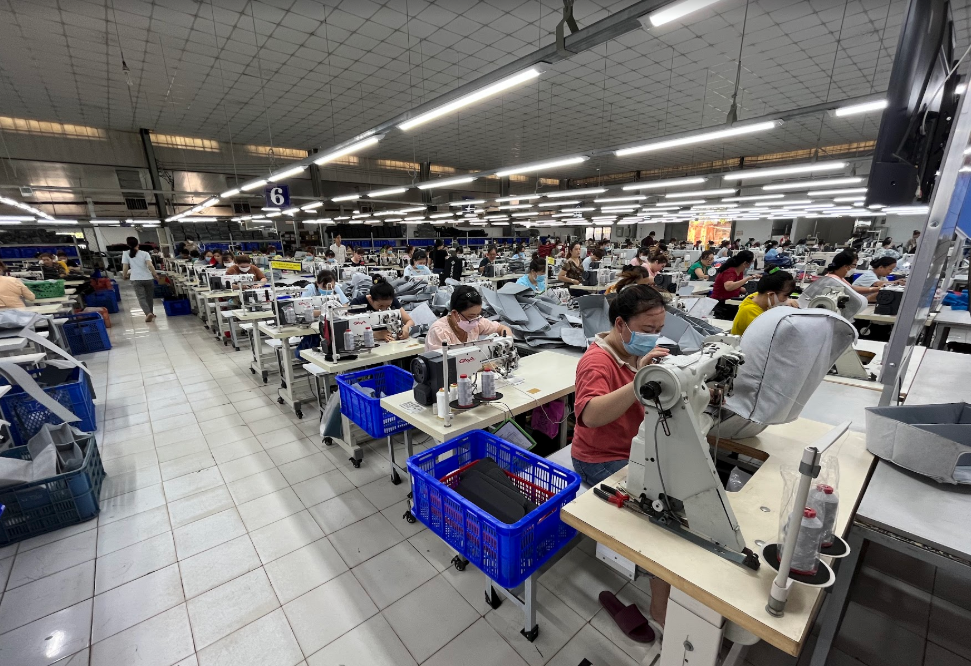
As a result, brands are prioritizing Linen Apparel OEM partners that offer transparent, audit-ready production systems.
4. Linenwind Perspective: Supporting Brands Through Green Compliance
At Linenwind, we see environmental policy not as a barrier—but as an opportunity for brands willing to choose the right materials and partners.
With 20 years of experience in linen clothing manufacturing, we help global brands align with carbon regulations and green trade requirements while maintaining design flexibility and cost control.
Why Brands Work With Us
🌿 Eco-friendly linen aligned with global sustainability policies
⚙ Full in-house OEM & ODM services — from design and sampling to cutting, sewing, and packaging
🛎 Low MOQ of 60 pieces, reducing overproduction and carbon waste
🔍 Strict quality control & transparent production communication
🤝 Dedicated account managers for compliance-focused sourcing
We support brands building linen collections that are both market-ready and regulation-ready.
👉 Custom Linen Shirts Collection
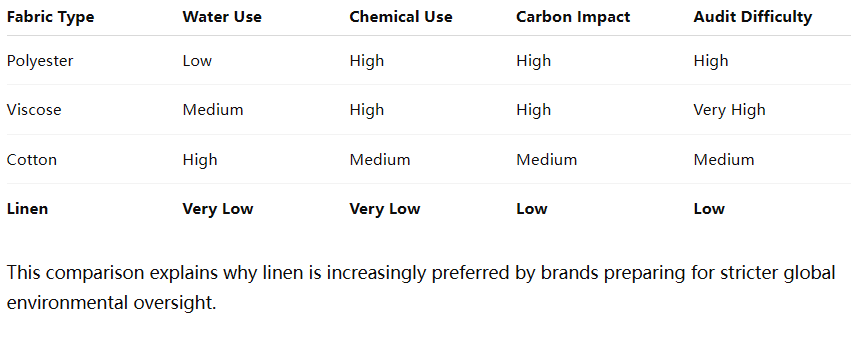
5. Linen's Environmental Advantage Compared to Other Fabrics
6. Green Labeling & Consumer Trust Reinforce Linen's Market Position
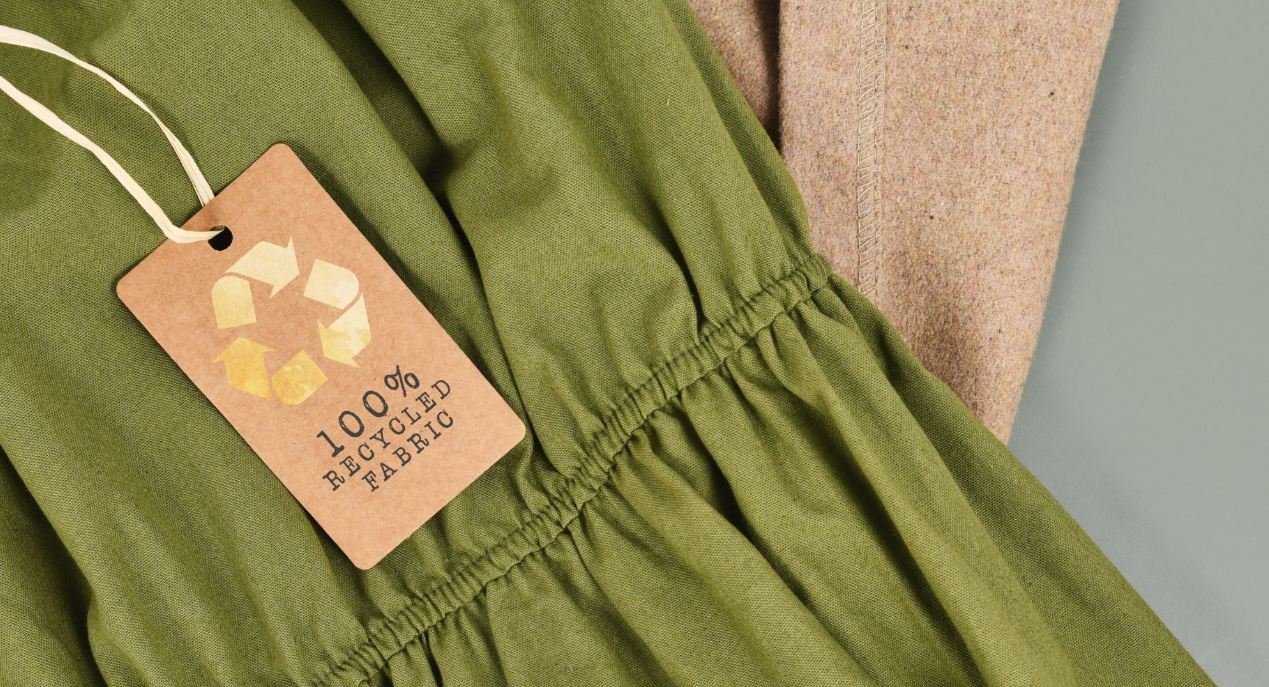
New regulations also impact consumer-facing labels, requiring brands to avoid “greenwashing” and prove sustainability claims.
Linen enables brands to:
Make credible eco-friendly claims
Provide transparent fiber stories
Pass third-party verifications more easily
Build long-term trust with conscious consumers
In regulated markets, this trust directly translates into higher conversion rates and stronger brand loyalty.
7. Brands Are Redesigning Collections to Reduce Carbon Exposure
To manage carbon risk, brands are:
Reducing synthetic SKUs
Launching natural-fiber capsule collections
Extending product life cycles
Adopting low-MOQ production
Working directly with compliant manufacturers
Custom Linen Clothing fits perfectly into this strategy—offering both sustainability and commercial flexibility.
8. How Linenwind Helps Brands Navigate Green Trade Barriers
To support brands under increasing regulatory pressure, we at Linenwind provide:
✓ Fast sampling (7–12 days) to reduce development waste
✓ MOQ 60 pcs for low-risk, low-emission production
✓ Multi-category linen manufacturing (shirts, dresses, pants, sets, resortwear)
✓ Private label & packaging solutions aligned with eco standards
✓ Transparent QC & production reporting for audits
✓ Stable long-term pricing for sustainability-focused sourcing
Our goal is to help brands grow profitably and compliantly in a carbon-regulated global market.
9. 2025–2030 Outlook: Environmental Policy Will Continue to Favor Linen
Policy analysts forecast:
Expansion of carbon border taxes
Tighter chemical regulations in apparel
More green trade incentives for natural fibers
Increased penalties for non-compliant imports
Strong growth in sustainable fashion demand
Under these conditions, linen stands out as one of the most future-proof textile categories for international brands.
Conclusion: Linen Becomes a Strategic Asset in the Age of Green Trade
As carbon taxes rise and green trade barriers harden, material choice becomes a strategic decision—not just a design one.
Linen offers brands a rare combination of:
Regulatory compliance
Environmental efficiency
Consumer appeal
Cost stability
Multi-season versatility
At Linenwind, we are proud to support brands navigating this new era with sustainable linen materials, modern OEM capabilities, and flexible low-MOQ production.
👉 Start building your compliant linen collection with us:contact us