
Custom Linen Clothing Manufacturer: Complete Guide for Fashion Brands (2026)
Custom Linen Clothing Manufacturer: Complete Guide for Fashion Brands
Finding the right custom linen clothing manufacturer is one of the most important steps for fashion brands that want to build high-quality, sustainable, and differentiated apparel collections.
This guide explains how to choose a custom linen clothing manufacturer, what services to look for, how MOQ and cost work, and how brands can develop linen dresses, shirts, pants, skirts, sets, and private label collections successfully.
Introduction
Linen clothing has become popular among brands focused on natural fibers, slow fashion, resort wear, summer apparel, premium basics, and sustainable fashion. However, producing linen garments requires more than basic sewing capability.
Brands need a manufacturer that understands linen fabric sourcing, shrinkage control, garment washing, fabric finishing, pattern development, quality control, and export production.
Key takeaway: A good custom linen clothing manufacturer should help with fabric selection, sampling, MOQ planning, production quality, private labeling, and long-term scaling.
What Is a Custom Linen Clothing Manufacturer?
A custom linen clothing manufacturer is a factory or production partner that develops and produces linen garments based on a brand’s requirements.
Unlike wholesale suppliers that sell ready-made products, custom manufacturers help brands create original or customized apparel.
- OEM product development
- ODM design support
- Private label production
- Fabric sourcing
- Pattern making
- Sampling
- Bulk production
- Quality control
- Packaging and export support
Why Linen Clothing Is Popular for Fashion Brands
Linen has strong appeal because it is natural, breathable, durable, and associated with sustainable fashion.
Natural Fiber Appeal
Linen supports slow fashion, sustainable apparel, and premium natural-fiber positioning.
Strong Seasonal Demand
Linen works well for summer collections, resort wear, vacation clothing, and warm-weather essentials.
Timeless Style
Linen garments often suit minimalist, boutique, and long-lasting wardrobe concepts.
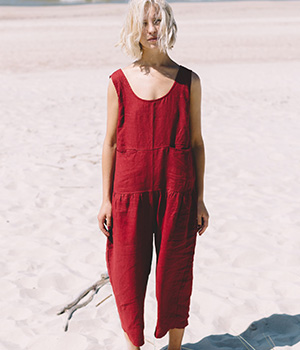
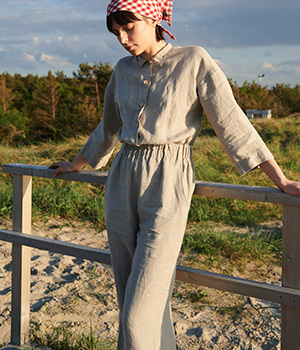
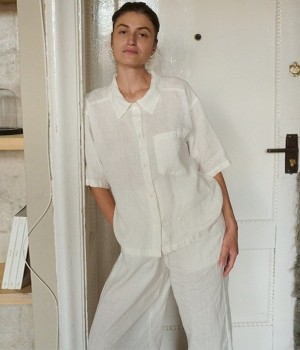
What Products Can a Linen Clothing Manufacturer Produce?
| Product Category | Common Styles | Manufacturing Focus |
|---|---|---|
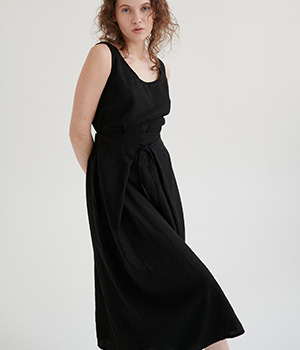
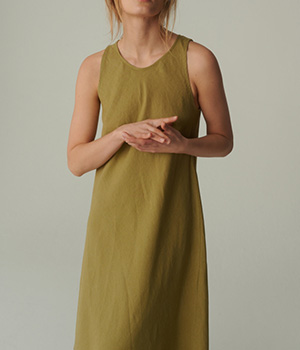
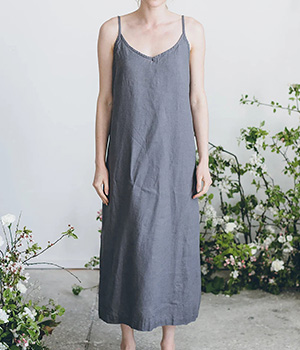
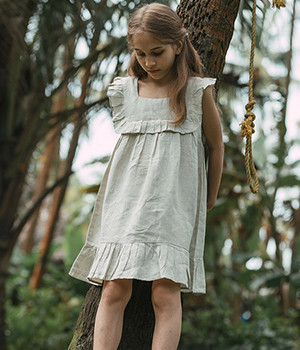
| Linen Dresses | Midi dresses, maxi dresses, shirt dresses, wrap dresses | Fit, drape, shrinkage, seams, finishing |
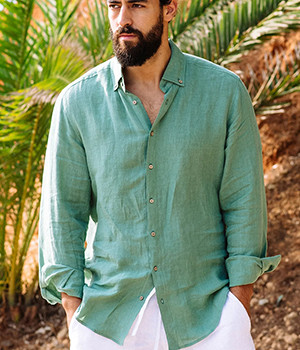
| Linen Shirts | Button-up shirts, oversized shirts, resort shirts | Collars, cuffs, buttons, garment wash |
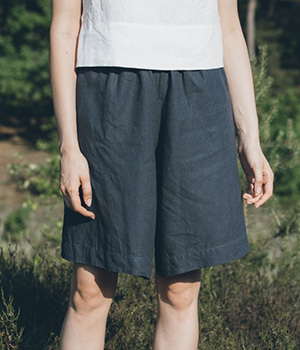
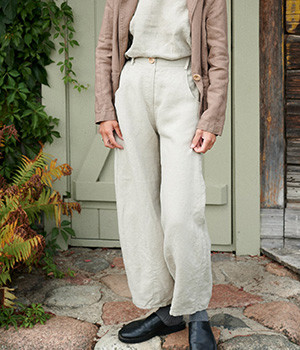
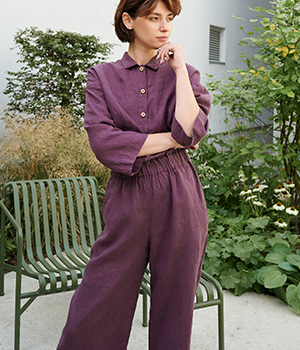
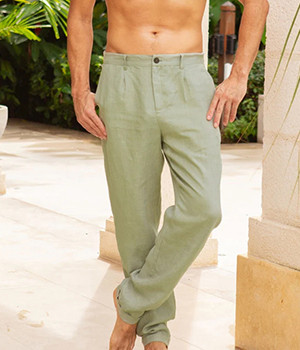
| Linen Pants | Wide-leg pants, straight pants, elastic-waist pants | Waist fit, inseam, opacity, structure |
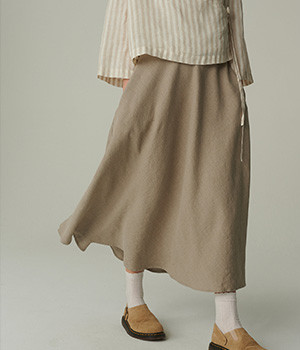
| Linen Skirts | Midi skirts, maxi skirts, wrap skirts | Waistband, hem shape, drape |
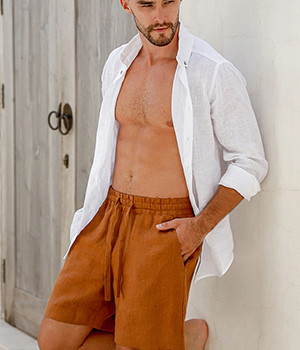
| Linen Sets | Top and pants sets, shirt and shorts sets | Fabric consistency, sizing balance, production coordination |
| Linen Loungewear | Relaxed tops, lounge pants, homewear sets | Softness, comfort, easy fit |
Explore related product development: Custom Linen Dresses.
OEM vs ODM for Custom Linen Clothing
Before choosing a manufacturer, brands should understand the difference between OEM and ODM.
OEM Linen Clothing Manufacturing
OEM means the brand provides the design, tech pack, or product concept, and the manufacturer produces according to those requirements.
- Original designs
- Strong brand differentiation
- Custom sizing
- Custom fabrics
- Unique silhouettes
- Long-term product identity
ODM Linen Clothing Manufacturing
ODM means the manufacturer already has existing designs or patterns that the brand can customize.
- Faster development
- Lower development cost
- Simpler launch process
- Market testing
- Private label products
Related guide: OEM vs ODM Clothing Manufacturing Guide.
Key Services to Look for in a Custom Linen Clothing Manufacturer
1. Fabric Sourcing
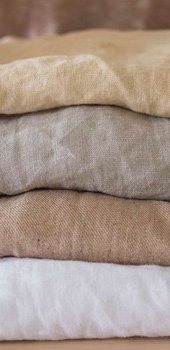
Linen fabric quality directly affects the final garment. A manufacturer should help with pure linen, linen blends, washed linen, lightweight linen, medium-weight linen, heavy linen, custom colors, and fabric finishing.
Related guide: Linen Fabric Guide.
2. Pattern Making
Pattern making determines garment fit, shape, and size consistency. For linen garments, patterns should consider fabric shrinkage, drape, garment wash, ease and movement, and fit after finishing.
3. Sampling
Sampling helps brands test design, fit, fabric, construction, and finishing before bulk production.
- Development samples
- Fit samples
- Pre-production samples
- Size set samples
- Sample revisions
Related guide: Clothing Sampling Guide.
4. Low MOQ Production
Low MOQ is important for startups and boutique brands. A flexible manufacturer allows brands to test products before scaling.
Related guide: Linen Clothing MOQ Explained.
5. Private Label Support
Private label services allow brands to sell garments under their own identity.
- Woven labels
- Printed labels
- Care labels
- Hangtags
- Custom packaging
- Barcode labels
- Carton marks
Related guide: Private Label Clothing Guide.
6. Quality Control
Linen clothing needs careful quality control because linen can shrink, wrinkle, soften, and show texture variation.
- Fabric inspection
- Shrinkage testing
- In-line inspection
- Measurement checking
- Final garment inspection
- Packaging inspection
Related guide: Clothing Quality Control Guide.
How to Choose the Right Custom Linen Clothing Manufacturer
| Evaluation Factor | Why It Matters |
|---|---|
| Linen Experience | Ensures the factory understands natural fiber behavior, shrinkage, and finishing. |
| MOQ Flexibility | Helps startups and small brands test products with lower inventory risk. |
| Sampling Ability | Allows brands to verify fit, fabric, and construction before production. |
| Communication | Prevents misunderstandings during development and bulk production. |
| Quality Control | Protects brand reputation and reduces returns. |
| Scalability | Allows brands to grow from small batches to larger repeat orders. |
Related guide: How to Choose the Right Clothing Manufacturer.
Questions to Ask Before Choosing a Linen Clothing Manufacturer
Manufacturer Experience
- How long have you produced linen clothing?
- What linen products do you specialize in?
- Can you show similar product examples?
Fabric and Development
- What linen fabrics do you recommend?
- Do you support washed linen or softened linen?
- How do you control shrinkage?
MOQ and Cost
- What is your MOQ per style?
- Can MOQ be flexible for first orders?
- How does quantity affect unit price?
Related guide: What to Ask a Clothing Manufacturer.
Custom Linen Clothing MOQ Explained
MOQ is one of the most important factors when developing custom linen clothing. MOQ may depend on product type, fabric availability, color requirements, custom trims, printing or embroidery, packaging requirements, and production complexity.
| Brand Type | Typical MOQ Range | Best Use Case |
|---|---|---|
| Startup Brands | 30–100 pcs/style | Testing new styles and small capsule collections |
| Growing Brands | 100–300 pcs/style | Seasonal collections and repeat orders |
| Established Brands | 500+ pcs/style | Wholesale and large-scale production |
Custom Linen Clothing Cost Factors
Custom linen clothing cost depends on fabric quality, fabric weight, garment complexity, MOQ, sampling, washing and finishing, trims and labels, packaging, and shipping.
For linen garments, fabric is often one of the largest cost components. Related guide: Clothing Manufacturing Cost Breakdown.
Production Timeline for Custom Linen Clothing
| Stage | Typical Timeline |
|---|---|
| Design Confirmation | 3–7 days |
| Sampling | 7–14 days |
| Sample Revision | 3–10 days |
| Fabric Preparation | 5–15 days |
| Bulk Production | 20–35 days |
| Quality Control | 2–5 days |
| Shipping | 7–30+ days |
Related guide: Clothing Production Timeline.
Common Mistakes When Choosing a Linen Manufacturer
- Choosing only by price
- Ignoring linen fabric expertise
- Skipping samples before bulk production
- Not confirming MOQ clearly
- Accepting poor communication
- Not checking quality control process
Related guide: Clothing Manufacturer Red Flags.
Why Work with Linenwind as Your Custom Linen Clothing Manufacturer
At Linenwind, we help fashion brands develop custom linen clothing collections from concept to production.
- OEM linen clothing manufacturing
- ODM linen clothing development
- Private label production
- Fabric sourcing
- Pattern making
- Sample development
- Low MOQ production
- Quality control
- Packaging customization
- Export support
Why brands choose Linenwind:
- 20+ years of apparel manufacturing experience
- Low MOQ starting from 30 pieces
- Professional sampling team
- Linen fabric expertise
- Sustainable linen sourcing support
- Dedicated project management
- Experience serving brands in Europe, North America, and Australia
Learn more about our Linen Clothing OEM & ODM Services or contact us through Contact Us.
Start Your Custom Linen Clothing Collection
If you are looking for a custom linen clothing manufacturer, Linenwind can help you develop samples, choose fabrics, manage MOQ, customize labels, control quality, and scale production.
Contact UsFrequently Asked Questions
What is a custom linen clothing manufacturer?
A custom linen clothing manufacturer develops and produces linen garments based on a brand’s design, fabric, sizing, labeling, and packaging requirements.
What linen products can be customized?
Common products include linen dresses, shirts, pants, skirts, shorts, sets, loungewear, and resort wear.
What is the MOQ for custom linen clothing?
MOQ varies by manufacturer, fabric, style, and customization level. Some manufacturers support low MOQ from around 30 pieces per style.
How long does custom linen clothing production take?
The full process usually takes 30–60 days depending on sampling, fabric preparation, bulk production, quality control, and shipping.
Can startups work with a custom linen clothing manufacturer?
Yes. Startups can work with manufacturers that offer low MOQ, sample development support, and flexible production options.
Final Thoughts
Choosing the right custom linen clothing manufacturer can help fashion brands create better products, reduce sourcing risks, control quality, and build stronger long-term supply chains.
Instead of choosing only by price, brands should evaluate linen expertise, MOQ flexibility, sampling capability, quality control, communication, and scalability.