
Private Label Clothing Guide: How to Launch Your Own Clothing Brand (2026)
Private Label Clothing Guide: How to Launch Your Own Private Label Clothing Brand
Private label clothing is one of the most practical ways to launch a fashion brand without owning a factory. Brands can work with experienced manufacturers to produce garments under their own label, packaging, and brand identity.
This guide explains how private label clothing works, including OEM, ODM, branding elements, MOQ, cost, sampling, quality control, and how to choose the right manufacturing partner.
Introduction: Why Private Label Clothing Is Growing
Private label clothing has become a popular model for fashion startups, boutiques, e-commerce sellers, creators, and established retailers. Instead of building production facilities, brands can partner with manufacturers that already have sourcing, sampling, production, and quality control capabilities.
For brands working with professional Private Label Clothing Manufacturers, this model makes it easier to test products, build a recognizable brand, and scale production as demand grows.
Key takeaway: Private label clothing allows you to sell products under your own brand while outsourcing production to an experienced manufacturer.
What Is Private Label Clothing?
Private label clothing refers to garments produced by a third-party manufacturer but sold under your own brand name. The factory handles production, while your brand controls product positioning, marketing, pricing, customer experience, and brand identity.
- Your brand name appears on labels and hangtags
- Your packaging and product presentation can be customized
- The manufacturer produces according to your selected model
- You control the final sales channel and customer relationship
How Private Label Clothing Works
Product Selection
Choose existing ODM styles, customized OEM designs, or modified factory designs based on your brand direction.
Branding
Add woven labels, printed labels, care labels, hangtags, packaging, and other brand elements.
Production
Approve samples, confirm MOQ, begin bulk production, complete QC, and ship finished goods.
Private Label vs White Label vs OEM vs ODM
| Model | Customization | Design Source | Best For |
|---|---|---|---|
| Private Label | Medium to High | Brand or manufacturer | Fashion brands building identity |
| White Label | Low | Generic ready product | Fast launch with minimal changes |
| OEM | High | Brand design | Custom collections and stronger differentiation |
| ODM | Medium | Manufacturer design | Startups needing faster development |
For a deeper comparison, read OEM vs ODM Guide.
Benefits of Private Label Clothing
- Build your own brand: You sell under your own identity instead of reselling generic products.
- Higher pricing power: Strong branding can support better margins.
- Faster market entry: You do not need to build a factory or production team.
- Lower investment: Manufacturing infrastructure already exists.
- Scalability: Production can grow as sales increase.
Who Should Start a Private Label Clothing Brand?
| Brand Type | Why Private Label Works |
|---|---|
| Fashion Startups | Allows new brands to launch collections without owning production facilities. |
| Online Clothing Stores | Helps e-commerce sellers build exclusive products instead of competing only on price. |
| Boutique Retailers | Creates differentiated in-store or online collections. |
| Creators & Influencers | Turns audience trust into branded apparel products. |
| Established Brands | Supports category expansion and seasonal product launches. |
What Products Can Be Private Labeled?
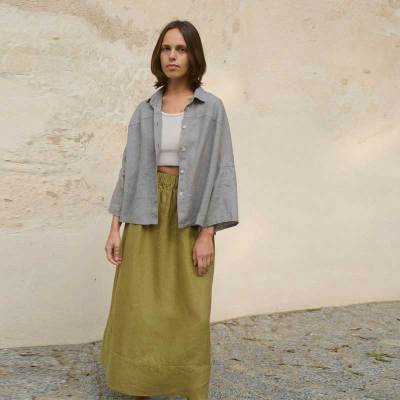
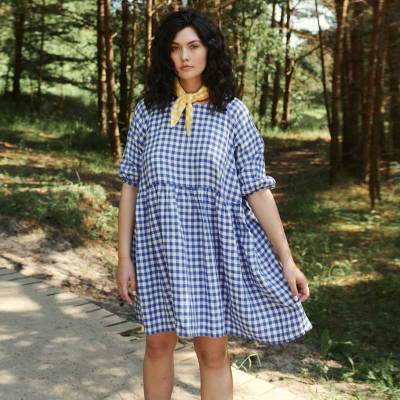
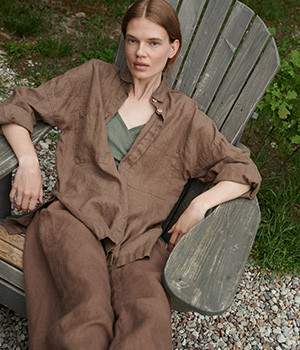
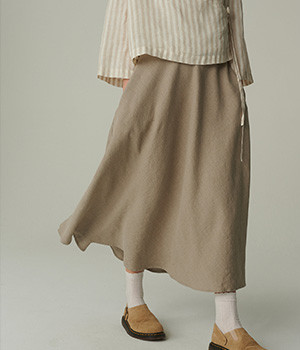
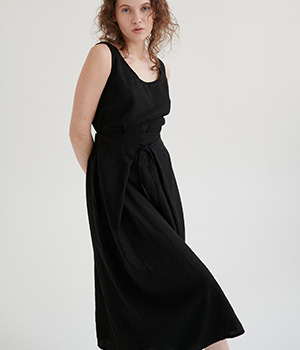
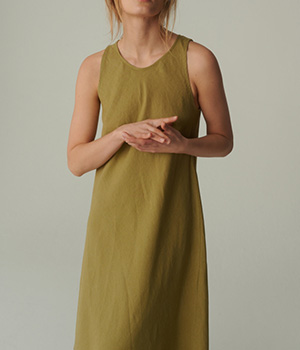
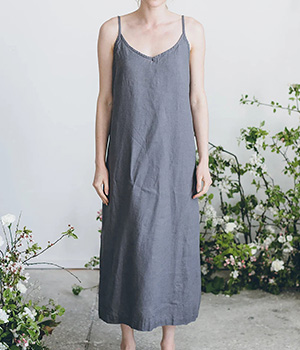
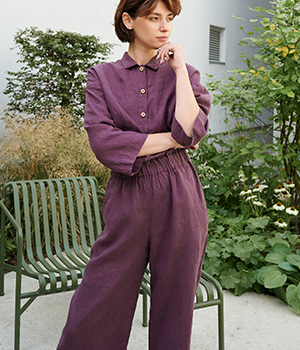
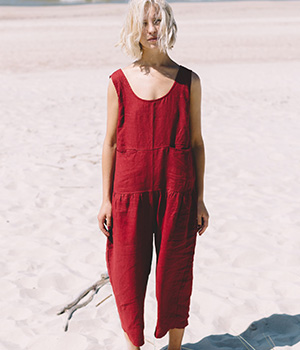
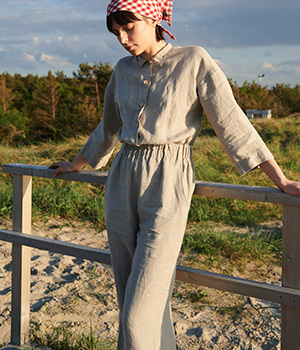
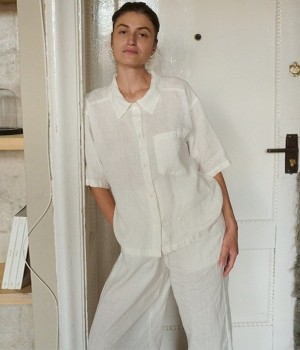
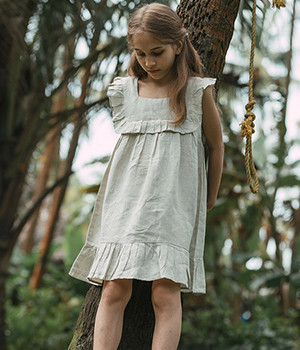
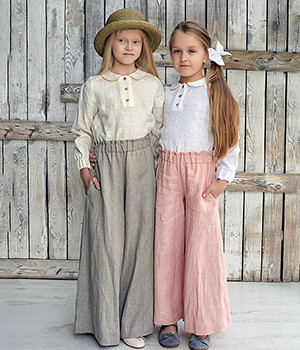
Almost any apparel category can be produced under a private label model. For linen-focused brands, private label manufacturing works especially well because linen products can be positioned around natural fibers, sustainability, comfort, and timeless design.
- Linen Dresses
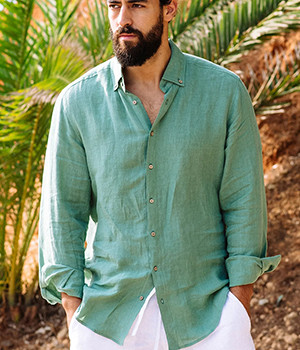
- Linen Shirts
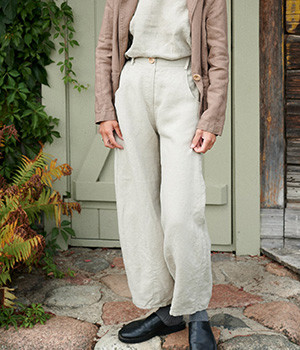
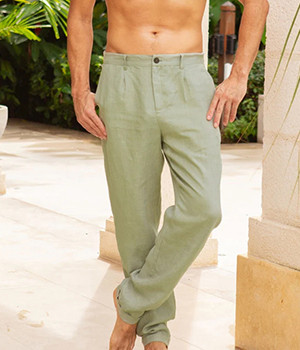
- Linen Pants
- Linen Skirts
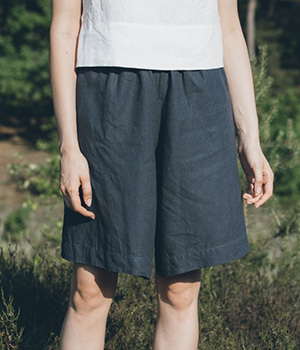
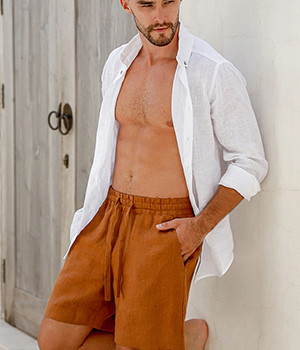
- Linen Shorts
- Linen Sets
- Linen Loungewear
- Resort Wear
- Sustainable Apparel
Explore related product development: Custom Linen Dresses.
How to Choose a Private Label Manufacturer
1. Evaluate Manufacturing Experience
Choose a manufacturer with experience in your product category. A factory that understands linen garments, natural fabrics, sampling, shrinkage, and finishing can reduce development risk.
2. Review Sample Quality
Always request samples before bulk production. Sampling helps confirm fabric, fit, construction, labels, and final appearance.
Related guide: Sampling Guide.
3. Check MOQ Requirements
MOQ affects your starting investment and inventory risk. Small brands should look for realistic MOQ options that allow product testing before scaling.
Related guide: Linen Clothing MOQ Explained.
4. Understand Lead Times
Sampling, fabric sourcing, production, QC, and shipping should match your launch schedule.
Related guide: Production Timeline Guide.
5. Evaluate Communication
Strong communication prevents mistakes. A reliable supplier should answer clearly, confirm details in writing, and provide updates during development and production.
Private Label Branding Elements
| Branding Element | Purpose |
|---|---|
| Woven Labels | Sewn into garments to show brand identity. |
| Printed Labels | Printed directly inside garments for a clean, lightweight finish. |
| Care Labels | Provide fabric composition, washing instructions, and compliance information. |
| Hangtags | Communicate brand story, product details, and price positioning. |
| Packaging | Improves customer experience and supports brand presentation. |
Private Label Clothing Development Process
Stage 1: Product Planning
Define your target market, product categories, price positioning, launch timeline, and initial order quantity.
Stage 2: Fabric Selection
Choose fabrics that match your product category, customer needs, and brand identity. For linen products, see the Linen Fabric Guide.
Stage 3: Sampling
Develop samples and review fit, construction, fabric, labels, and finishing before approving production.
Stage 4: Production
After sample approval, bulk production begins. Learn more in Production Process.
Stage 5: Quality Control
Inspection ensures that finished goods match approved samples and brand standards. Related: Quality Control Guide.
How Much Does Private Label Clothing Cost?
Private label clothing cost depends on fabric, product complexity, MOQ, branding requirements, packaging, and shipping.
| Cost Item | Description |
|---|---|
| Sampling | Pattern development, sample sewing, revisions, and sample shipping. |
| Fabric | Main material cost, affected by quality, weight, origin, dyeing, and finishing. |
| Labor | Cutting, sewing, washing, pressing, finishing, and packing. |
| Labels | Woven labels, care labels, printed labels, and hangtags. |
| Packaging | Poly bags, eco-packaging, custom boxes, barcode labels, and cartons. |
| Shipping | Express, air, or sea freight depending on destination and timeline. |
Related guide: Clothing Cost Guide.
Common Private Label Mistakes
- Choosing the cheapest supplier without checking quality
- Skipping samples before bulk production
- Ignoring MOQ and inventory risk
- Using weak labels or packaging that reduce perceived value
- Not confirming fabric, size chart, and trim details clearly
- Launching products without clear customer positioning
Private Label Clothing for Linen Brands
Private label manufacturing is especially suitable for linen apparel because linen products often appeal to customers who value natural fibers, breathable comfort, sustainability, and timeless styling.
OEM private label production gives linen brands greater control over fabric quality, garment fit, design details, labels, packaging, and sustainability positioning.
How to Scale a Private Label Clothing Brand
1. Expand Product Categories
Start with a focused category, then expand into complementary styles such as dresses, shirts, pants, skirts, sets, and loungewear.
2. Build Seasonal Collections
Plan spring, summer, autumn, resort, and capsule collections around your customer needs.
3. Improve Branding
Upgrade labels, packaging, product photography, and customer experience as sales grow.
4. Transition from ODM to OEM
Many brands start with ODM, then move toward OEM as they understand their market and build stronger design direction.
Why Work with Linenwind
At Linenwind, we help fashion brands build private label linen clothing collections with flexible OEM and ODM manufacturing support.
- OEM and ODM linen clothing manufacturing
- Private label development and branding support
- Fabric sourcing and sample development
- Low MOQ support for small-batch testing
- Quality control and packaging customization
- 20+ years of garment manufacturing experience
Learn more about our Private Label Linen Clothing Manufacturing or contact us through Contact Us.
Launch Your Private Label Linen Clothing Brand
If you are preparing to launch a private label clothing brand, Linenwind can help you develop samples, choose fabrics, customize branding, manage MOQ, control quality, and scale production.
Contact UsFrequently Asked Questions
What is private label clothing?
Private label clothing refers to garments produced by a manufacturer and sold under your own brand name, labels, tags, and packaging.
Is private label better than white label?
Private label usually offers more customization and stronger branding opportunities, while white label is faster but more generic.
Can startups launch private label clothing brands?
Yes. Many startups use private label manufacturing to test products, build brand identity, and scale gradually without owning a factory.
Do I need my own designs?
Not always. Brands can use ODM products, OEM custom designs, or a mix of both depending on budget, timeline, and brand goals.
What is the typical MOQ for private label clothing?
MOQ varies by product type, fabric, customization level, and manufacturer. Some suppliers support lower MOQ for startups and small-batch testing.
Final Thoughts
Private label clothing is a practical path for building a fashion brand without owning a factory. It allows brands to control identity, product positioning, customer experience, and market strategy while relying on professional manufacturing support.
By choosing the right manufacturer, developing strong branding, managing MOQ, approving samples, and controlling quality, brands can create scalable and profitable private label clothing collections.