Casual Chic Linenwear Custom Manufacturing
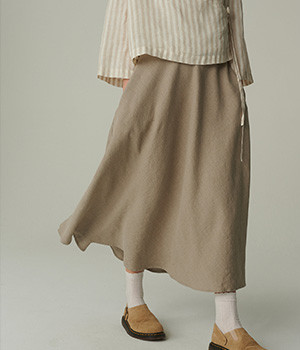
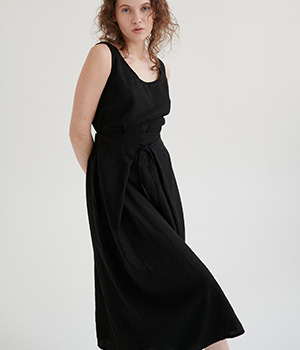
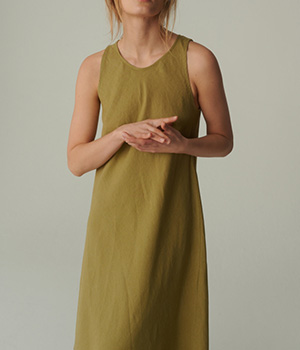
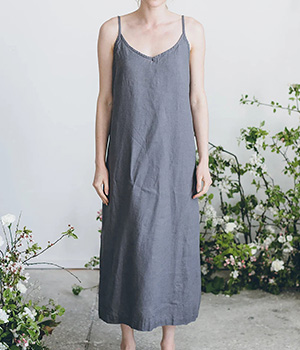

What factors affect pricing at linen clothing manufacturers?
Linen Manufacturing · Pricing Factors
What Factors Affect Pricing at Linen Clothing Manufacturers?
Understand how fabric quality, order quantity, design complexity, customization, certifications, and sustainability standards shape the final cost of your linen garments.
Short Answer
Pricing at linen clothing manufacturers is mainly affected by fabric quality, order quantity, design complexity, customization requirements, certifications, and production standards such as sustainability and compliance.
Key Factors That Influence Pricing
When you ask, “How much will my linen garments cost per piece?”, most manufacturers will talk about style and quantity. In reality, there are multiple cost drivers working together behind the final price.
| Cost Driver | What It Includes | How It Impacts Price |
|---|---|---|
| Fabric Quality | 100% European linen, blends, GSM weight, special finishes | Premium fibers and heavier GSM increase cost but enhance hand-feel and longevity. |
| Order Quantity (MOQ) | 60 pcs vs 300+ pcs vs 1000+ pcs | Larger quantities reduce per-piece cost via economies of scale; low MOQ is startup-friendly but less cost-efficient. |
| Design Complexity | Tailoring, lining, panels, pleats, pockets, special constructions | More complex garments require more labor time and skilled operators, increasing labor cost. |
| Customization (OEM/ODM) | Patterns, labels, packaging, trim sourcing, fit development | Full OEM & ODM support adds development and material cost but delivers brand-ready products. |
| Certifications & Compliance | OEKO-TEX, GOTS, REACH, BSCI, ISO | Eco and social compliance introduce lab testing, audits, and system upgrades, which increase price but build trust. |
| Dyeing & Finishing | Low-impact dye, garment wash, enzyme treatment, special effects | Eco-friendly and value-adding finishes typically cost more per unit. |
| Packaging Requirements | Biodegradable bags, custom boxes, branded packaging sets | Premium or eco packaging increases unit cost but strengthens unboxing and brand image. |
| Sampling & R&D | Pattern making, fitting revisions, sample runs | One-time development fees may apply, especially for brand-new designs and fits. |
| Production Timelines | Standard vs rush orders | Rush production and tight delivery windows often carry a premium. |
In simple terms: better fabric, more customization, stronger compliance, and lower MOQ will all elevate the per-piece price — but usually also increase product value and market acceptance.
Fabric Composition & GSM — The Largest Cost Block
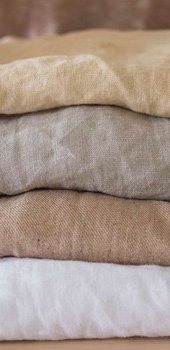
Fabric is usually the single largest cost component in a linen garment, often accounting for 40%–60% of total production cost.
- Premium European flax linen (from France/Belgium/Netherlands) sits at the top of the price range but offers exceptional hand-feel and durability.
- Linen blends such as linen–cotton or linen–viscose are typically mid-range in cost and can change drape and wrinkle behaviour.
- GSM (weight) matters: higher GSM fabrics use more fiber, cost more, and feel richer and more robust.
- Special finishes like garment-dye, pre-wash, or softening add both cost and perceived value.
Practical Fabric-Level Questions to Ask
- Is this 100% linen or a linen blend? Which blend and why?
- What is the GSM and how does it affect opacity and drape?
- Is the linen European or another origin?
- Has the fabric been pre-washed or finished in a special way?
Understanding these answers helps you connect cost to quality, instead of comparing price alone.
Quantity & Economies of Scale
Order size directly impacts unit pricing. The same style can have very different per-piece costs at 60 pcs vs 600 pcs.
| Order Size | Cost Impact | Best For |
|---|---|---|
| 60–120 pcs | Highest per-piece cost, but safest for cashflow and testing. | Startups, new collections, private labels. |
| 150–500 pcs | More efficient pricing with better material utilisation. | Growing brands with proven demand. |
| 800–1500+ pcs | Best unit pricing; ideal for core best sellers. | Established brands, wholesale-driven collections. |
Low MOQ is startup-friendly but not cost-optimised. You pay a slightly higher per-piece price in exchange for lower risk and reduced deadstock.
OEM/ODM Services & Customization Level
What Adds Cost
- New pattern creation and grading
- Multiple fitting rounds and revisions
- Custom trims, labels, and hardware sourcing
- Private label packaging and inserts
- Complex construction (e.g. multi-panel, tailored structure)
Every hour spent on pattern work, sampling, and sourcing is an investment into long-term brand assets — but it does show up in your initial pricing.
Why It Is Worth It
While customization and OEM/ODM development increase cost, they also deliver:
- Strong product differentiation (not generic “factory stock”)
- Better fit and sizing consistency over time
- Improved brand perception through custom labels and packaging
- Higher perceived value and retail price potential
Learn more about how these services are structured on our
Linenwind OEM & ODM service page
.
Compliance, Sustainability & Eco Processes
Sustainability and compliance do influence cost — but they also unlock markets and justify higher price points.
| Sustainable Process | Price Influence | Brand Benefit |
|---|---|---|
| Closed-loop dyeing & water recycling | Slightly higher per unit | Lower water and chemical footprint; stronger sustainability claims. |
| Enzyme washing instead of harsh softeners | Higher than basic chemical finishing | Softer hand-feel with healthier finishing for skin and environment. |
| Recycled trims and eco packaging | Increased sourcing cost | Supports eco-branding and consumer expectations. |
| OEKO-TEX / GOTS / REACH compliance | Testing and system costs | Market access in EU/UK/JP and stronger retail partnerships. |
| Low MOQ to avoid overproduction | Higher per-piece cost | Less deadstock, better cashflow and real sustainability. |
Sustainability adds value more than cost for most premium brands. It supports higher retail prices, better storytelling, and long-term customer loyalty.
How Linenwind Prices Projects
At Linenwind, pricing is transparent and based only on what you actually need. We evaluate:
- Fabric choice — including options like European flax linen.
- Design & pattern complexity — from simple shirts to tailored dresses.
- OEM/ODM customization level — how much development support is required.
- Order quantity — our standard MOQ is 60 pieces per style.
- Testing requirements — e.g. shrinkage, colorfastness, and fit validation.
- Eco options & certifications — when requested by the brand.
We do not inflate pricing based on brand size. Small startups and established labels follow the same structured pricing logic.
Key Links for Pricing & Product Planning
FAQ — Pricing at Linen Clothing Manufacturers
Quick answers to common questions brands ask when planning linen production budgets.
1. What is usually the biggest factor in linen garment pricing?
In most cases, fabric is the biggest factor, often making up 40%–60% of total cost. The choice between 100% European linen, standard linen, or linen blends, plus GSM and special finishes, has a major impact on price.
2. How much more expensive is low MOQ compared to larger orders?
Per-piece prices are higher at MOQs like 60–120 pcs because fixed costs (pattern, sampling, setup) are spread across fewer units. However, low MOQ dramatically reduces the risk of unsold inventory and supports test-based scaling, which is often more profitable long term.
3. Do sustainable processes always make linen production much more expensive?
Not always. Closed-loop dyeing, enzyme washing, and eco packaging do add some cost, but they also strengthen branding, justify higher retail prices, and open doors to markets that demand sustainability. For many brands, the extra cost is a strategic investment rather than a pure expense.
4. How can I control cost without sacrificing quality?
You can control cost by optimising GSM, simplifying construction details that do not affect perceived quality, grouping colors or styles to consolidate production, and using low MOQ wisely for testing rather than for every single style. A transparent manufacturer will help you make these decisions.
5. How do I get an accurate price quote from Linenwind?
Share your target styles (or references), expected quantities, preferred fabric type, and any specific sustainability or certification requirements. With this information, we can provide a realistic quotation. You can start here:
Request a tailored quote from Linenwind
.
Final Takeaway — How Pricing Works at Linenwind
The main factors affecting pricing at linen clothing manufacturers include fabric quality, order quantity, design complexity, level of customization, sustainability requirements, and compliance certifications.
At Linenwind, we price transparently based on these variables, with a low MOQ of 60 pieces to support both startups and established brands as they grow.
When you are ready to discuss your project, send us your ideas and quantities — we will connect pricing directly to the value you want to create.