
Private Label Linen Clothing Manufacturer: Complete Guide for Fashion Brands (2026)
Private Label Linen Clothing Manufacturer: Complete Guide for Fashion Brands
Building a successful fashion brand requires products that represent your brand identity, quality standards, and customer experience.
This guide explains how private label linen clothing manufacturing works, including OEM, ODM, MOQ, branding options, sampling, quality control, costs, and how to choose the right manufacturing partner.
Introduction
More fashion brands are choosing to work with a private label linen clothing manufacturer instead of purchasing generic wholesale products. Private label manufacturing allows you to sell linen clothing under your own brand name while maintaining control over product quality, fabric selection, sizing, labels, packaging, and customer experience.
Whether you are launching a startup clothing brand or expanding an established fashion business, partnering with the right private label linen clothing manufacturer can help you create a distinctive collection with stronger profit margins and long-term brand value.
Key takeaway: Private label linen clothing helps brands move beyond generic products and build a stronger identity through custom labels, packaging, fabric choices, and product details.
What Is a Private Label Linen Clothing Manufacturer?
A private label linen clothing manufacturer produces linen garments that are sold under your own brand rather than the manufacturer’s brand.
Unlike wholesale suppliers that sell finished products with little customization, private label manufacturers help brands create unique products with customized branding.
Typical Private Label Services Include
- Custom woven labels
- Printed neck labels
- Care labels
- Size labels
- Hangtags
- Custom packaging
- Carton printing
- Barcode labels
- Brand-specific finishing
How Private Label Manufacturing Works
Step 1: Product Planning
Brands define product category, target customer, price point, design direction, collection size, and launch timeline.
Step 2: Fabric Selection
Manufacturers recommend suitable linen fabrics based on fabric weight, weave structure, softness, color, shrinkage, and sustainability requirements.
Related guide: Linen Fabric Guide.
Step 3: Sample Development
The factory develops samples based on tech packs, sketches, reference garments, or measurement charts. Brands review fit, construction, fabric, color, and details before production.
Related guide: Clothing Sampling Guide.
Step 4: Branding Customization
Brand identity is added through neck labels, care labels, woven labels, hangtags, packaging, and custom cartons.
Step 5: Bulk Production
After sample approval, bulk production begins. Production usually includes fabric inspection, cutting, sewing, finishing, quality control, and packing.
Step 6: Shipping
Finished products are packed according to brand requirements before international shipment.
What Products Can Be Private Labeled?
| Category | Examples |
|---|---|
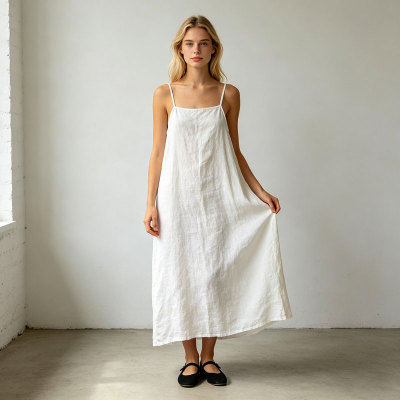
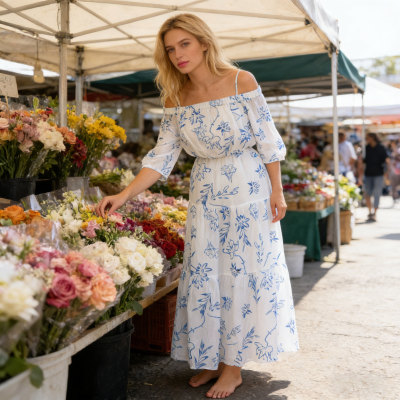
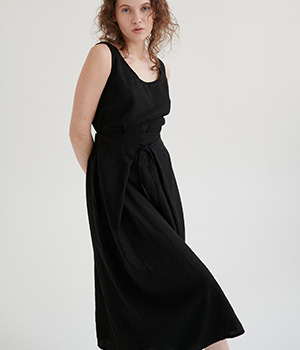
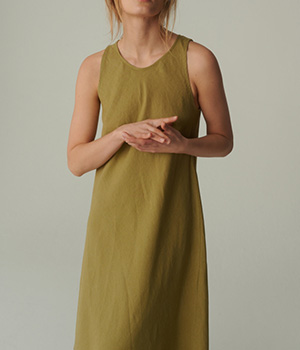
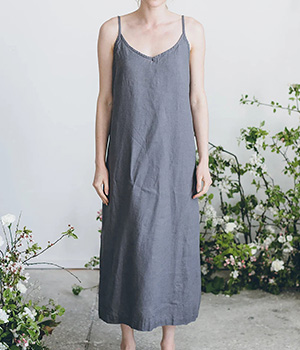
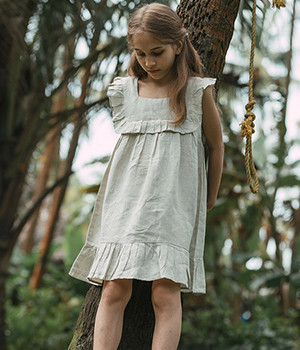
| Linen Dresses | Maxi dresses, midi dresses, wrap dresses, shirt dresses |
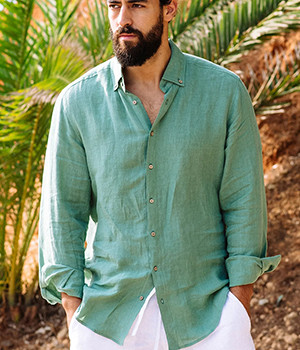
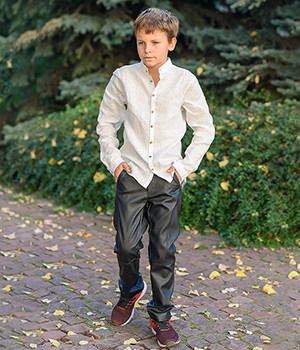
| Linen Shirts | Button-up shirts, oversized shirts, resort shirts |
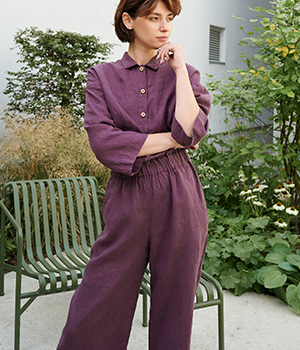
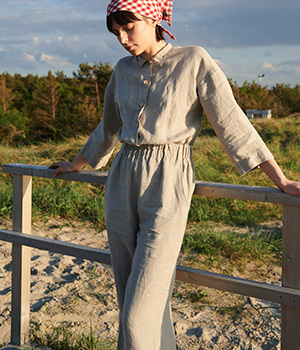
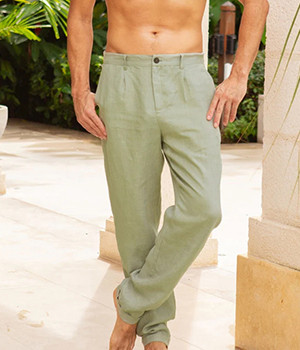
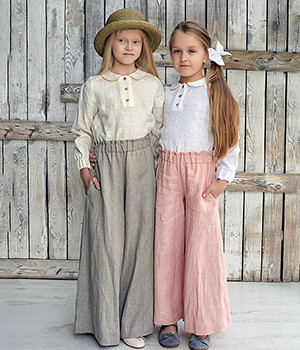
| Linen Pants | Wide-leg pants, straight-leg pants, elastic-waist pants |
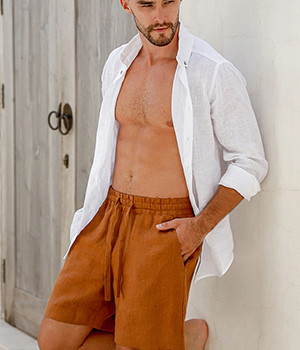
| Linen Shorts | Relaxed shorts, drawstring shorts, summer shorts |
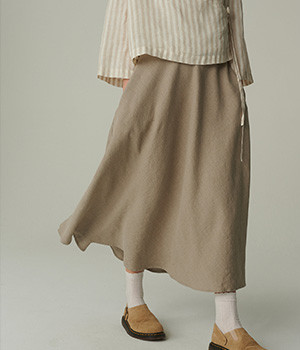
| Linen Skirts | Midi skirts, maxi skirts, wrap skirts |
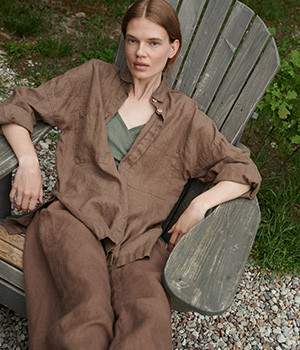
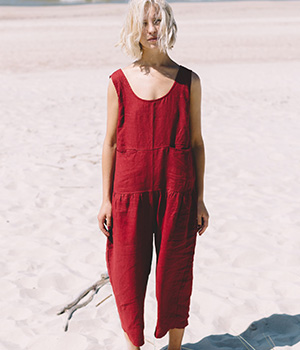
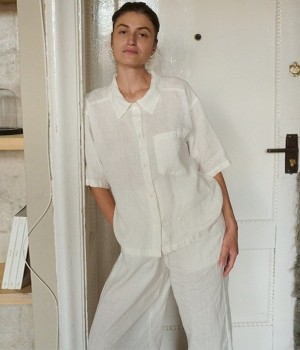
| Linen Sets | Top and pants sets, shirt and shorts sets |
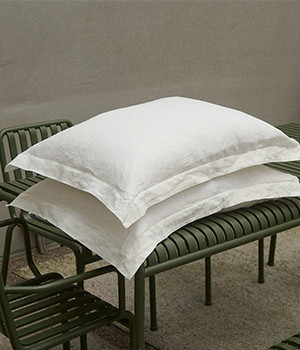
| Linen Loungewear | Relaxed homewear collections and lounge sets |
Explore related product development: Custom Linen Dresses.
Why Fashion Brands Choose Private Label Manufacturing
Build Your Own Brand
Customers remember your brand, not the manufacturer behind the product.
Better Differentiation
Brands can customize fit, colors, fabrics, details, labels, and packaging.
Stronger Margins
Private label products usually support better perceived value and pricing power.
1. Build Your Own Brand
Private labeling allows brands to build recognition, loyalty, premium positioning, and customer trust.
2. Better Product Differentiation
Instead of selling identical wholesale products, brands can customize fit, colors, fabrics, details, labels, and packaging. This creates products that competitors cannot easily copy.
3. Higher Profit Margins
Private label products usually command higher prices because customers purchase the brand experience rather than comparing identical products.
4. Stronger Customer Experience
Packaging, labels, hangtags, care instructions, and product presentation all contribute to a premium customer experience.
OEM vs ODM for Private Label Linen Clothing
OEM Manufacturing
OEM allows complete customization. Brands provide tech packs, designs, measurements, and product specifications, while the manufacturer produces according to these requirements.
OEM is best for established brands, unique collections, and premium products.
ODM Manufacturing
ODM uses existing factory designs that brands customize with labels, colors, packaging, and minor design adjustments.
ODM is best for startup brands, faster launches, and lower development costs.
Related guide: OEM vs ODM Clothing Manufacturing Guide.
Private Label Customization Options
| Customization Area | Options |
|---|---|
| Branding | Woven labels, printed labels, heat transfer labels, care labels, size labels |
| Packaging | Poly bags, gift boxes, recycled packaging, tissue paper, stickers, cartons |
| Product | Fabric, color, buttons, zippers, threads, embroidery, printing, finishing |
MOQ for Private Label Linen Clothing
MOQ depends on product type, fabric availability, custom trims, label requirements, packaging complexity, and production setup.
| Brand Type | Typical MOQ |
|---|---|
| Startup Brands | 30–100 pcs/style |
| Growing Brands | 100–300 pcs/style |
| Established Brands | 500+ pcs/style |
Related guide: Linen Clothing MOQ Explained.
Quality Control in Private Label Production
Quality directly affects customer satisfaction. Manufacturers should inspect fabric quality, measurements, stitching, labels, finishing, and packaging before shipment.
- Fabric inspection
- Measurement checking
- Stitching inspection
- Label and trim checking
- Finishing review
- Packaging inspection
Related guide: Clothing Quality Control Guide.
Questions to Ask a Private Label Manufacturer
- How many years have you produced linen clothing?
- What is your minimum order quantity?
- How long does sampling take?
- Which label options are available?
- Can packaging be customized?
- What quality control procedures do you use?
Related guide: What to Ask a Clothing Manufacturer.
Common Mistakes to Avoid
Choosing Only by Price
Low prices may hide quality problems, weak fabrics, unclear QC, or poor communication.
Ignoring Sample Quality
Always approve samples before production because samples help confirm fit, fabric, construction, and finishing.
Weak Branding
Packaging and labels influence customer perception. Private label products need consistent brand presentation.
Poor Communication
Communication problems often become production problems, especially during sampling and bulk production.
Not Planning for Growth
Choose manufacturers that can scale with your business as repeat orders increase.
Why Fashion Brands Choose Linenwind
Linenwind helps fashion brands build premium private label linen clothing collections.
- OEM manufacturing
- ODM manufacturing
- Private label production
- Fabric sourcing
- Pattern making
- Sample development
- Low MOQ production
- Quality control
- Packaging customization
Why brands trust Linenwind:
- 20+ years of apparel manufacturing experience
- Low MOQ from 30 pieces
- Professional linen specialists
- Dedicated project managers
- Sustainable linen sourcing
- Experience serving Europe, North America, and Australia
Learn more about our Linen Clothing OEM & ODM Services, explore Custom Linen Dresses, or contact us through Contact Us.
Build Your Private Label Linen Clothing Collection
If you are ready to launch or expand your private label linen clothing brand, Linenwind can help you develop samples, customize labels, source fabrics, manage MOQ, control quality, and scale production.
Contact UsFrequently Asked Questions
What is private label linen clothing?
Private label linen clothing refers to garments manufactured by a factory but sold under your own brand name, labels, hangtags, and packaging.
What products can be private labeled?
Most linen garments can be private labeled, including dresses, shirts, pants, skirts, shorts, sets, loungewear, and resort wear.
Is private label suitable for startups?
Yes. Many manufacturers support low MOQ and startup-friendly production, making private label linen clothing suitable for new brands.
What is the difference between OEM and private label?
Private label refers to branding products under your own name, while OEM refers to manufacturing products according to your original specifications.
How long does private label production take?
Most projects require 30–60 days depending on sampling, production complexity, fabric preparation, quality control, and shipping.
Final Thoughts
Working with a private label linen clothing manufacturer allows fashion brands to build stronger identities, improve product quality, increase customer loyalty, and achieve better long-term profitability.
Instead of competing with identical wholesale products, brands can create unique linen collections that reflect their own vision and values.
Choosing the right manufacturing partner is one of the most important investments for any fashion business focused on sustainable growth.