
Linen Dyeing Explained: Yarn-Dyed vs Piece-Dyed vs Garment-Dyed for Custom Orders
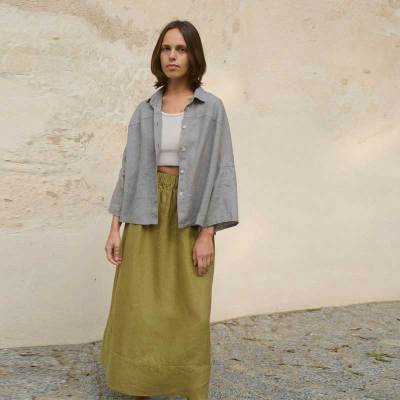
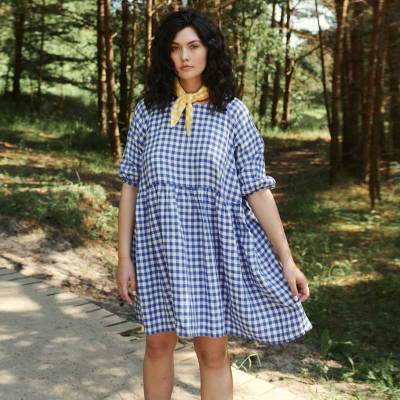
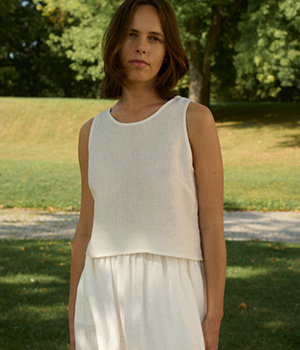
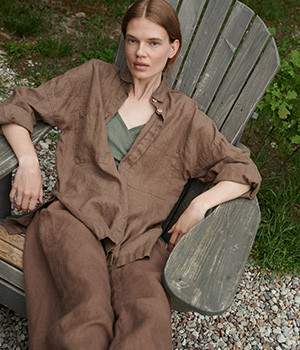
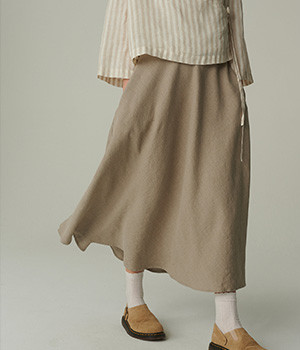
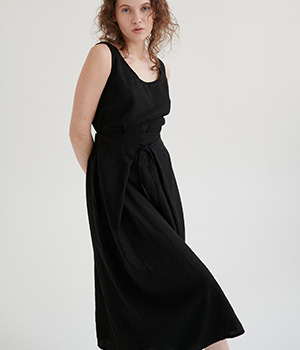
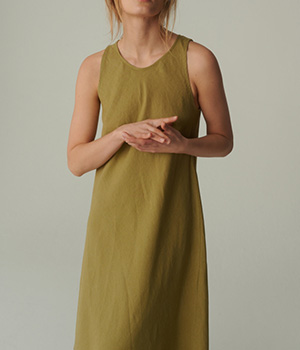
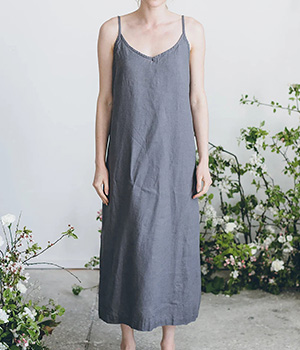
Linen dyeing for custom clothing comes down to one decision: when in the process the color is applied. Yarn-dyed linen is dyed as yarn before weaving, which is how stripes, plaids and checks get their pattern; piece-dyed linen is woven as undyed greige fabric and dyed in the roll, which is the most common and usually the most economical route for solid colors; garment-dyed linen is cut and sewn first and dyed as a finished garment, which produces a soft, washed, lived-in hand and lets a brand dye small batches to order. For a B2B buyer planning a custom program with a linen clothing manufacturer, the choice between the three determines pattern possibilities, shade consistency, colorfastness behavior, fabric cost share, MOQ structure and lead time, and it should be made at the brief stage, not after sampling. This guide explains how each method works, compares them on cost, colorfastness, shrinkage and delivery, and shows how fabric composition changes dyeing behavior, using the ordering parameters we run at LINENWIND, a Dongguan linen clothing factory with 20+ years of OEM and ODM experience: MOQ 60 pieces per style per color, counter samples in 7-12 days, bulk production in 25-35 days, first orders in 35-60 days, and first-wash shrinkage of 3-7% on pre-shrunk fabric. The three routes are often confused with each other and with finishing, so a quick distinction helps before we go deeper. Dyeing adds color to the fiber, yarn, fabric or garment; finishing, which includes washing, enzyme and stone treatments, changes the surface, hand and appearance after dyeing. They are separate stages, and a garment can be dyed in any of the three ways and then finished differently, which is why our companion buyer's guide on washed, enzyme and stone-washed linen finishes reads naturally alongside this one. When brands send us a color brief, the two questions that decide the route are: does the design need the color to form a woven pattern, and does the product story need a crisp solid shade or a soft garment-washed look? If you are evaluating dyeing routes for a specific order, the comparison table in Section 5 is the fastest way to shortlist, and the composition section in Section 6 explains why the same color can behave differently on pure linen versus a blend. Sections 7 and 8 walk through route selection and how a custom dyeing order actually runs at a factory, including colorfastness testing, shade approval and the documents you should receive with bulk. Everything below uses process-level terminology that any dyer, mill or garment factory will recognize, so it can also be used as the basis of your tech pack notes. Yarn dyeing applies color to the yarn before it is woven or knitted. For linen, the yarn is typically wound onto packages or skeins and dyed in a yarn-dyeing machine, then dried and re-wound for the loom. Because the colored yarn is built into the fabric structure during weaving, yarn dyeing is the route that makes stripes, plaids, checks and other color-and-weave effects possible. If a design brief calls for a gingham shirt or a tartan-adjacent plaid in 100% linen, yarn dyeing is the only one of the three routes that can produce it, because piece dyeing and garment dyeing can only deliver solid, all-over color. Yarn-dyed linen is the classic route for shirts, blouses, dresses and home textiles where a woven pattern is the product story. Our existing deep dive on yarn-dyed linen plaid fabric covers pattern design, color registration and ordering for that specific family; in this guide we treat yarn dyeing as one of three routes so you can compare it with the alternatives before committing to a pattern program. Piece dyeing, also called roll dyeing or fabric dyeing, applies color to the woven fabric after weaving and before cutting. The loom produces greige fabric, undyed and often still containing natural flax impurities, and the fabric mill or dyer processes it through preparation, dyeing and finishing as a continuous roll. Piece dyeing is the default route for solid-color linen across the industry, and it is the route behind most of the plain-dyed linen shirting, apparel and home fabrics a buyer will see quoted. Within piece dyeing there are several machine-level techniques, including jet, jigger and cold pad batch dyeing, which differ in water and energy use and in the widths and lengths they handle; the machine choice is a dyer's decision that follows from the fabric construction and the color program, and it does not change the buyer-facing trade-offs of the route itself. Preparation matters more than buyers expect: before dyeing, linen greige fabric must be desized, scoured and often bleached so the flax takes the dye evenly. Linen's natural pectin and wax content can cause uneven dye uptake if preparation is rushed, which is one reason dye houses with dedicated linen experience produce cleaner solid shades. When a buyer compares quotes, the preparation step is invisible in the price list but visible in the finished color. The buyer-facing characteristics of piece-dyed linen are consistent across suppliers: Piece dyeing suits any program built around solid colors: shirting, dresses, trousers, bedding and uniforms where the brand needs color flexibility without pattern. Because the fabric is dyed before cutting, color can be matched to trims and threads at the garment stage more predictably than in garment dyeing, which is a quiet advantage for structured styles. Garment dyeing reverses the usual sequence: the garment is cut and sewn first from greige or pre-treated fabric, and the finished garment is dyed as a whole piece in a garment-dyeing machine. The route was developed for knitwear and casual apparel and has become a signature of relaxed linen programs, because the garments tumbled in the dye bath emerge with a soft, washed hand, slightly irregular surface character and the casual color depth that consumers read as lived-in quality. For brands, garment dyeing offers a structural advantage that piece dyeing cannot: the same undyed garment stock can be dyed in different colors to order, which means color minimums are decoupled from garment style minimums. Instead of ordering 60 pieces per color of one style, a brand can hold one greige style across sizes and dye, for example, 20 pieces navy, 20 sand and 20 sage as the sell-through plan requires, as long as the totals respect the factory's dye-lot and order parameters. The trade-offs are equally real, and they are the reason garment dyeing is not a universal answer. Because dyeing happens after sewing, every component of the garment is exposed to the dye bath: the sewing thread, the labels, the elastics, the buttons and the interlinings. Sewing thread must be dye-compatible or chosen in a color that reads correctly after dyeing, because a polyester core thread can stay pale while the linen around it takes the shade, and most garment dyers either use reactive-dyeable cotton thread or pre-match the thread color to the target shade. Care labels and woven brand labels must survive wet processing, which usually means specifying dyed, printed or woven labels that are tested in the garment dye bath. Zippers, snaps and buttons are normally attached after dyeing or chosen in materials that tolerate the bath. None of these are obstacles, but each must be specified in the tech pack, and a factory that garment-dyes regularly will flag them before sampling. Shrinkage is the second watch-point. A garment cut from greige fabric and dyed without adequate preparation can shrink noticeably in the dye bath and again in the consumer's first wash. The control measure is upstream: the fabric is pre-shrunk or compacted before cutting so that the garment's first-wash shrinkage stays inside the same 3-7% band we quote for pre-shrunk linen across all routes. At LINENWIND, garment-dyed programs therefore begin with the fabric decision, and the counter sample is washed and measured for shrinkage and shade before the dye recipe is locked. Colorfastness behavior also differs slightly by route: because garment dyeing processes the finished garment, the surface dye is more exposed to abrasion and washing, which is why fastness requirements, including wash fastness, rub fastness and light fastness, should be agreed on the counter sample, not assumed from a fabric data sheet. For the factory-side controls, our answer on how linen manufacturers control shrinkage and colorfastness describes the testing sequence in detail. Who garment dyeing fits: relaxed and unstructured styles, loungewear, resort wear, casual shirts, and any program where the soft washed hand and color-depth story are part of the product. Structured tailoring, crisp shirting that must hold a sharp press, and programs requiring large-volume shade uniformity across many garment styles are better served by piece dyeing. When a brand is unsure, we recommend a garment-dyed counter sample alongside a piece-dyed one; the hand difference is easy to feel and hard to describe. The table below summarizes the buyer-facing trade-offs of the three linen dyeing methods. Cost and lead time comparisons are directional and depend on fabric weight, order volume and color program, but the relative pattern is stable across the industry, and the parameters tied to our factory are the ones we actually quote. At LINENWIND, whichever route is chosen, the order parameters stay the same: MOQ 60 pieces per style per color, counter samples in 7-12 days, bulk production in 25-35 days, first orders in 35-60 days, and AQL 2.5 inspection before shipment. What changes is the sourcing and process sequence, which is why the route decision comes before the quote. Fabric composition, meaning the fiber content of the yarn and fabric, determines how a color behaves more than most first-time buyers expect, and it is the reason a dyeing conversation always includes the composition question. Linen is a cellulosic fiber, so it is dyed with dyes that bond to cellulose, in practice predominantly reactive dyes, which form a chemical bond with the fiber and deliver the wash fastness that apparel programs require. Direct dyes are also used on cellulosics at lower cost with lighter fastness, and vat dyes appear where maximum wash and light fastness matter, such as workwear. What a buyer needs to retain is simpler: the dye class must suit every fiber in the fabric, and blends therefore change the dyeing story. The practical rule at the brief stage is to state composition before color. When a brand sends a color target without the fiber content, the lab dip cannot be started correctly, because the recipe depends on the fiber. Our blend guides for linen-tencel, linen-hemp and linen-silk blends each cover how the second fiber changes processing; dyeing behaves the same way, with the blend's dye uptake, shade drift and fastness tested on the real construction before bulk. This composition-dyeing link is also why a factory asks for the full fiber specification in the tech pack, not just a photo of the target color. Route selection is a short decision tree once the product story is clear. Work through the design first, then the quantities, then the hand, and the choice usually makes itself: Two programs we regularly see misrouted are worth naming. A brand wanting a crisp, uniformly colored shirt in 400 pieces per color sometimes asks for garment dyeing because of its marketing glow, then is surprised by the relaxed hand and the extra care needed on trims; piece dyeing would have delivered the brief at lower risk. And a brand with a small, multi-color loungewear line sometimes assumes garment dyeing needs high minimums, when in fact the route's strength is that one greige style can be finished in several colors across the season. Asking the factory to quote the same brief through two routes, with the counter samples to compare, is a legitimate and inexpensive way to decide, and we do this regularly for first-time buyers. Once the route is fixed, a custom dyeing order at our factory follows a sequence designed to lock the color before bulk. The steps below are the same for yarn-dyed, piece-dyed and garment-dyed programs, with the dyeing stage moved to the point in the process the route requires: We confirm composition, route and target shade, then prepare a lab dip on the actual fabric construction. Initial response within 48 hours, detailed quote with dyeing options in 3-7 working days. Sample fees of $40-150 are fully credited to production, and swatches from our stock library of 50+ linen specifications are free. A counter sample is made in 7-12 days and washed, measured and assessed for shade, shrinkage and fastness. For garment dyeing this sample includes the thread, label and trim approvals, because they enter the dye bath with the garment. Bulk runs in 25-35 days at MOQ 60 pieces per style per color, with the shade held against an approved sample, AQL 2.5 inspection at the end, and first orders completing in 35-60 days from sample approval to shipment. What you should receive: for every dyed program we ship the approved lab dip or shade sample reference, wash and fastness test results on the counter sample, and the bulk shade and inspection records under AQL 2.5. Colorfastness and shrinkage documents matter because they are the evidence behind the numbers a brand later prints on care labels; for the full set of quality checks we run, our explanation of shrinkage and colorfastness control and the wider guide to linen fabric finishing methods cover the adjacent stages that dyeing connects to. Every dyed program at our factory is produced under ISO 9001 quality management, and fabrics and garments are tested against OEKO-TEX Standard 100 limits for harmful substances, with social compliance audited under SEDEX. The certifications cover how we manufacture; the color itself is controlled by the lab dip, the approved sample and the inspection records described above, and we hold the shade standard for the life of the order so reorders can be matched. The difference is when the color is applied. Yarn-dyed linen is dyed as yarn before weaving, which enables woven stripes and plaids. Piece-dyed linen is woven as undyed greige fabric and dyed in the roll, the standard route for solid colors. Garment-dyed linen is cut and sewn first and dyed as a finished garment, producing a soft washed hand and allowing one greige style to be dyed in several colors. For solid colors, piece dyeing generally carries the lowest dyeing cost per unit because long rolls are dyed efficiently in one process. Yarn dyeing costs more per meter for patterned fabrics because each yarn color is a separate dyed lot. Garment dyeing adds a complete wet process after sewing, so its cost sits at the garment stage rather than the fabric stage. In all routes, fabric remains 30-45% of garment cost, with dyeing and finishing on top. Garment dyeing adds a wet cycle that the garment would not otherwise see, so shrinkage must be managed upstream with pre-shrunk or compacted fabric and confirmed by wash testing on the counter sample. With that preparation, first-wash shrinkage stays in the same 3-7% band we quote for pre-shrunk linen on every route. A garment-dyed order that skips the pre-shrink step is where surprise shrinkage comes from. Garment-dyed linen can be colorfast when the dye recipe, fixation and washing-off are correct, but because the dye is applied to the finished garment, the surface color is more exposed to washing and abrasion than in piece dyeing. Wash fastness, rub fastness and light fastness should be agreed on the counter sample against your target standard, and tested in bulk under AQL 2.5. Yes, on 100% linen and cellulosic blends, a lab dip is prepared on the actual fabric construction to match your Pantone reference, then approved before bulk. Two cautions apply: the shade must be matched on the real blend, because linen-tencel or linen-silk fabrics absorb dye differently from pure linen, and deep shades on linen can read slightly differently from the same shade on cotton or synthetics due to the fiber's surface character. Our FAQ on custom dyeing and Pantone color matching covers the process in full. Because each fiber absorbs dye differently. Tencel, viscose, hemp and silk each take up reactive or other dye classes at different rates, so a blend dyed with the recipe of a pure-linen standard can drift in tone. Color matching is always done on the actual blend construction, and the composition is confirmed before the lab dip, which is why we ask for the full fiber specification with the color brief. At LINENWIND, dyed programs run on MOQ 60 pieces per style per color, counter samples in 7-12 days, bulk production in 25-35 days after sample approval, and first orders in 35-60 days from sample approval to shipment. Yarn-dyed pattern programs need additional yarn-procurement lead time confirmed at the quote stage, and garment-dyed programs include thread, label and trim approval in the sample stage. Dyeing is where a linen order takes its final identity, and the route choice, yarn-dyed, piece-dyed or garment-dyed, should follow the design and the product story, not fashion jargon. Start with the weave: pattern means yarn dyeing, crisp solids mean piece dyeing, and the soft washed look means garment dyeing with the right fabric preparation and trims behind it. Fix the composition before the color, approve a lab dip and a washed counter sample before bulk, and keep the fastness and shrinkage evidence with the order file, and the color program will survive from the first run to the reorder. If you are planning a dyed linen program, send your tech pack with the composition and target shades, and our team will confirm the route, lab-dip the color and quote within 48 hours through the contact page or by sending an inquiry.Yarn-Dyed Linen: Color Before Weaving
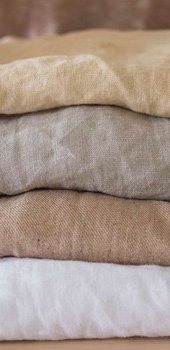
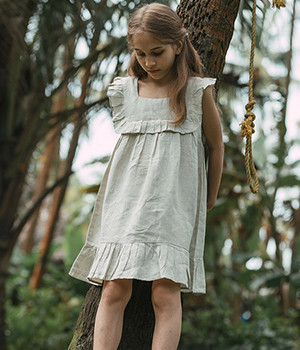
Piece-Dyed Linen: Color After Weaving, Before Cutting
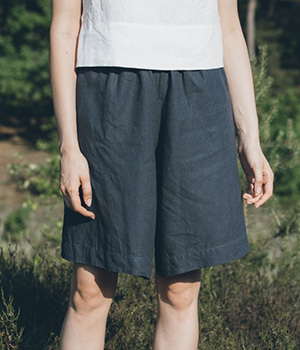
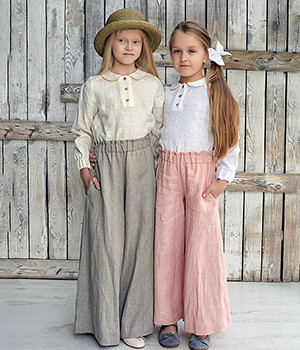
Garment-Dyed Linen: Color on the Finished Garment
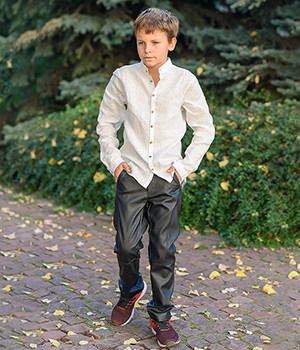
Yarn-Dyed vs Piece-Dyed vs Garment-Dyed: Cost, Colorfastness, Shrinkage and Lead Time
Comparison Point Yarn-Dyed Piece-Dyed Garment-Dyed When color is applied Before weaving, on the yarn After weaving, on the fabric roll After cutting and sewing, on the garment Pattern possibilities Stripes, plaids, checks woven in Solid colors only Solid colors only Relative dyeing cost per unit Highest of the three for patterned fabrics Generally lowest for solid colors Moderate; adds a full process after sewing Color minimum flexibility Per yarn color, with inventory lead Per roll; efficient at long lengths Per dye lot; one greige stock can be dyed in several colors Fabric cost share context Fabric remains 30-45% of garment cost, at the higher end for multi-color yarn programs Fabric 30-45% of garment cost with standard solid dyeing Fabric share similar; dyeing and handling cost added at garment stage Shade consistency Good within yarn lots; pattern registration must be controlled Good within roll; batch-to-batch controlled by lab dips Best matched per dye lot; garment-to-garment variation is part of the casual look Colorfastness profile Deep penetration, strong wash fastness on well-prepared yarn Strong when preparation and dye recipes are correct Surface dye more exposed; fastness agreed on counter sample Shrinkage behavior Controlled in finishing; first-wash 3-7% on pre-shrunk fabric Controlled in finishing; first-wash 3-7% Dye bath adds a wet cycle; requires pre-shrunk fabric and wash testing Hand feel Crisp to soft depending on finish Crisper; softness adjusted in finishing Soft, washed, relaxed character by default Typical fit at our factory Pattern shirting, blouses, home textiles Solid-color apparel, uniforms, bedding Casual, resort, loungewear programs Planning note Yarn lead time sits before weaving; confirm at quote Fastest route to new colors on stocked fabric Trims, threads and labels must be dye-bath compatible How Fabric Composition Changes Dyeing Behavior
Which Dyeing Route to Choose for Your Custom Order
How a Custom Dyeing Order Runs at LINENWIND
1. Brief and Lab Dip
2. Counter Sample
3. Bulk and Inspection
Frequently Asked Questions
What is the difference between yarn-dyed, piece-dyed and garment-dyed linen?
Which linen dyeing method is cheapest?
Does garment-dyed linen shrink more?
Is garment-dyed linen colorfast?
Can I get a specific Pantone shade on linen?
Why does my linen blend look a different color from the pure-linen sample?
What are the MOQ and lead times for dyed linen orders?