
Linen Casual Shirt Manufacturers: OEM/ODM Fit Consistency, Wash Stability & Low MOQ 60 Pcs | Linenwind
Linenwind Knowledge Center
A sourcing guide for brands, wholesalers, and retailers looking for reliable linen casual shirt manufacturers.
Learn how to evaluate factories for fabric selection, casual fit blocks, wash stability (shrinkage and twisting), stitching standards,
private label readiness, and long-term replenishment programs—supported by low MOQ production.
Linen casual shirts are one of the most dependable warm-weather categories for brands and retailers. The style is versatile, easy to wear, and fits a wide
range of markets—from minimal everyday basics to relaxed resort-casual collections.
But bulk success depends on factory consistency. Casual does not mean simple: linen fabric behavior, wash shrinkage, collar roll, and measurement tolerance
all affect how the same shirt performs across sizes, colors, and repeat orders.
In this guide, we break down what professional linen casual shirt manufacturers should deliver, and how buyers can set up a stable OEM/ODM
program that is reorder-friendly.
👉
leading linen shirt factories in China
A curated list helps you compare factories by linen specialization, bulk capability, QC systems, and export readiness.
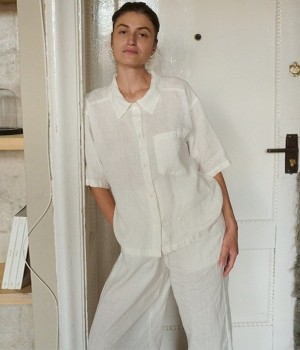
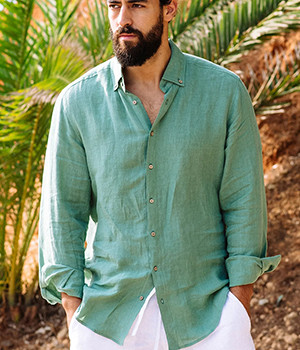
In production terms, a linen casual shirt is designed for everyday comfort and repeat wear. It typically uses breathable linen (or linen blends) with
relaxed ease, wearable collar behavior, and stable finishing that keeps the shirt consistent after washing.
Casual linen shirts often become seasonal basics because buyers reorder them with new colors and minor detail updates. When the factory system is stable,
you can build a long-term supply plan with predictable lead times and consistent quality.
For a complete OEM approach to linen shirts, see:
Most casual programs start with one core body block and then scale into multiple styles by changing collar, sleeve, and hem details while keeping the same
grading and measurement logic.
👉
Linen Short Sleeve Shirt Manufacturer
Fabric selection is the foundation of a casual linen shirt. Buyers should define the target market and price positioning first, then choose fabric weight and
finishing direction to match the expected handfeel and care behavior.
For casual linen shirts, comfort comes from the right balance of ease. Factories should provide a stable fit block system and clear grading rules so the
silhouette stays consistent across sizes.
Buyers often use separate fit baselines for men’s and women’s casual shirts. You can compare the manufacturing checklists here:
👉
Men's Linen Shirt Manufacturers
Linen casual shirts are often marketed as breathable everyday staples, which means consumers wash them frequently. If shrinkage and twisting are not
controlled, the fit changes after laundering and reorders become inconsistent.
Casual shirts still need clean structure. Buyers should verify how the factory controls seam tension, stitch density, placket straightness, and collar roll
consistency—especially after washing.
A strong QC system is what separates stable casual shirt manufacturers from factories that only pass one-time inspections. For reorders, the factory must
prevent “quality drift” by using the same baseline sample, measurement rules, and finishing method.
Casual linen shirts are ideal for OEM/ODM because the category depends on repeatable fit blocks and consistent finishing. A reliable manufacturer should
manage sampling, pre-production confirmation, and bulk execution with clear communication throughout the process.
Many buyers start with casual linen shirts and then upgrade to private label for stronger brand control and higher margins. A manufacturer should support
labeling, packaging, and repeatable presentation rules for retail shipments.
Repeat orders become easier when you define a baseline spec that does not change. The most common reorder issues happen when buyers change the fabric lot,
finishing method, or measurement baseline without updating the production standard.
At our linen shirt manufacturing services, we support casual linen shirt programs that need
stable quality, predictable lead times, and reorder-friendly production. We build long-term manufacturing partnerships with brands, wholesalers, and retailers
who require repeatable results across seasons.
We are Linenwind, a linen apparel manufacturer with 20 years of garment manufacturing experience. We focus on eco-friendly linen and sustainable
production, and we provide full in-house OEM and ODM services covering design, sampling, production, and packaging.
We support a low MOQ of 60 pieces to help you test casual shirt styles, validate wash stability, and scale confidently into bulk and
replenishment.
Learn more about us:
https://www.linenwind.com/aboutus.htm
👉
Custom Linen Shirts Collection
Send your style reference, target price, size range, and delivery window. We will recommend a reorder-friendly baseline spec.
MOQ varies by factory, fabric, and color count. Many manufacturers require higher bulk quantities, but some specialized suppliers support smaller runs.
Linenwind supports a low MOQ of 60 pieces for market testing and small batch production.
Use a clear wash test method, run pre-production shrinkage and twisting tests, and confirm post-finish measurements as the baseline for bulk QC. This
reduces sizing drift and protects reorder consistency.
Yes. Many buyers begin with a stable casual shirt program, then add private label labels and packaging to improve margins and brand control while keeping
the same manufacturing baseline.
Linen Casual Shirt Manufacturers – OEM/ODM Guide for Everyday Linen Shirts, Fit Consistency, Shrinkage Control, and Repeat Bulk Supply
Start with a strong supplier shortlist
What “Linen Casual Shirt” Means in Manufacturing
Common casual shirt features
Factory outcomes buyers should expect
Why Linen Casual Shirts Sell Well for Repeat Programs
Why buyers build replenishment around casual linen shirts
Popular Linen Casual Shirt Styles
Common casual linen shirt styles
Related program extensions
Build your linen shirt program by category
👉
Linen Long Sleeve Shirt Manufacturer
👉
Linen Resort Shirt Manufacturers
👉
Linen Vacation Shirt Factory
Fabric Options: Weight, Handfeel, and Easy-Care Direction
Fabric Option
Best For
Key Buyer Benefit
Factory Control Point
Lightweight 100% Linen
High-summer casual basics
Maximum breathability, airy drape
Shrinkage and seam stability must be controlled
Midweight 100% Linen
Core casual programs
More structure and durability
Color repeatability and finishing consistency for reorders
Linen Blend
Easy-care mass market
Softer feel, reduced wrinkling
Confirm blend ratio, dye stability, and pilling risk
Combine wholesale and customization if needed
Casual Fit Blocks: Grading, Ease, and Measurement Tolerance
Critical points of measure
Fit direction references
👉
Women's Linen Shirt Manufacturers
👉
Oversized Linen Shirt Manufacturers
Shrinkage & Wash Stability: The Core Risk to Control
Recommended wash stability process
Construction Standards: Seams, Plackets, and Collar Behavior
Front and collar standards
Hem and sleeve standards
Construction reference guides
QC System for Bulk Orders and Reorders
QC checkpoints that reduce bulk risk
Need lower MOQ for casual shirt testing?
OEM/ODM Workflow for Linen Casual Shirts
A simple factory workflow buyers can follow
OEM/ODM services reference
Private Label & Packaging for Retail-Ready Supply
Private label checklist for casual linen shirts
Private label guide
How to Build Repeat Orders Without Quality Drift
Repeat-order stability framework
Linenwind: Our Linen Casual Shirt Manufacturing Services
Who we are
Our advantages for linen casual shirt buyers
Explore our catalog and contact us
👉
OEM&ODM Services
👉
Contact Us
Build a stable casual linen shirt program
Key Questions to Ask Linen Casual Shirt Manufacturers
More linen shirt factory references
FAQs About Linen Casual Shirt Manufacturers
What MOQ do linen casual shirt manufacturers usually offer?
How can I make sure casual linen shirts keep the same fit after washing?
Can I start with casual shirts and later upgrade to private label?