




Oversized Linen Shirt Manufacturers: OEM/ODM Fit Block, Wash Stability & Low MOQ 60 Pcs | Linenwind
Linenwind Knowledge Center
A practical sourcing guide for brands and wholesalers looking for reliable oversized linen shirt manufacturers—covering relaxed fit blocks,
grading rules, fabric choices, wash stability (shrinkage & twisting), private label setup, and how to build repeatable bulk programs with low-risk scaling.
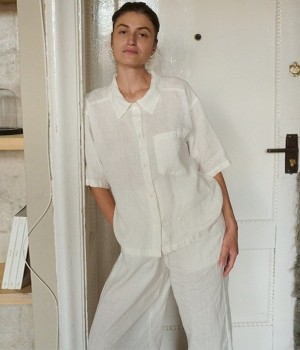
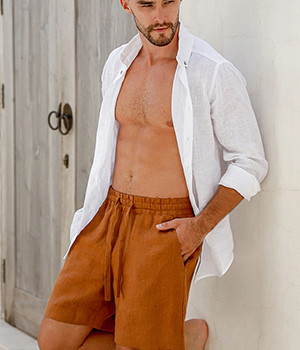
Oversized linen shirts have become a core bestseller across resort, coastal lifestyle, minimal fashion, and relaxed workwear categories. They look effortless,
layer well, and appeal to buyers who want breathable comfort without sacrificing style.
But “oversized” does not mean “loose standards.” In bulk production, oversized shirts fail when sizing drifts, sleeves twist after washing, or the fabric
shrinks unpredictably—causing customer returns and inconsistent product reviews.
This guide explains how to evaluate oversized linen shirt manufacturers, what specs matter most, and how to build repeatable bulk programs
with stable fit and wash performance.
👉
leading linen shirt factories in China
Use an industry shortlist to identify suppliers with proven linen shirt specialization and bulk repeat capability.
Oversized is a fit strategy, not a single measurement. Different brands define “oversized” differently, so the manufacturer must understand your intended
silhouette and translate it into a stable fit block and grading rules.
Oversized does not mean “ignore measurement control.” In fact, oversized programs need disciplined measurement methods because customers still judge:
shoulder drop, sleeve length, body length, and how the shirt hangs after washing.
Before bulk cutting, request a size set and confirm tolerance by point of measure. A “golden sample” should be held as the reference for repeat orders.
Oversized silhouettes highlight drape and texture, so fabric choice directly affects how “premium” the shirt looks. Buyers typically choose between 100% linen
for natural texture or linen blends for softness and wider market appeal.
If you need custom fabric sourcing and controlled finishes for oversized drape, see:
Linen is sensitive to washing conditions. Oversized shirts can still look “wrong” if length shortens, sleeves twist, or seams torque after washing. That’s why
wash stability should be treated as a core spec—not an afterthought.
Oversized shirts often look simple—but quality is decided by construction details that keep the garment stable, balanced, and comfortable in wear.
OEM is best when you already have a clear fit block and tech pack. ODM is useful when you want the factory to propose oversized silhouettes, detail options,
and fabric suggestions to match your target market.
If you plan to build a branded line with controlled specifications, private label readiness matters too:
Private label turns an oversized linen shirt into a brand asset. For bulk programs, private label also improves repeatability because packaging and labeling
rules stay consistent from order to order.
China supports oversized linen shirt production with scalable capacity and flexible OEM/ODM workflows. For buyers, the key is selecting a partner that can
protect wash stability and fit blocks under bulk pressure.
👉
Men's Linen Shirt Manufacturers
These guides are helpful if you want consistent standards across categories using shared fabric and QC baselines.
At Linenwind, we help brands and wholesalers develop and produce oversized linen shirts that
remain stable after washing and consistent across sizes. Our focus is not only on making the shirt look good on a hanger—but ensuring the silhouette stays
consistent in real customer wear.
We are a dedicated linen apparel manufacturer with 20 years of garment manufacturing experience. We support design, sampling, production, and packaging
with a clear process built for repeat orders and long-term supply programs.
👉
Custom Linen Shirts Collection
Send your target fit, size range, and wash standard. We will recommend fabric, fit block adjustments, and a repeat-order baseline spec.
👉
Custom Linen Shirt Manufacturers in China
Not necessarily. Oversized silhouettes require strong control of drape, shoulder shape, sleeve pitch, and wash stability. Small shrinkage or skewing can
change the silhouette and make the shirt look inconsistent across sizes.
A low MOQ helps you test drape, fit, and wash behavior before scaling. Linenwind supports a low MOQ of 60 pieces, which is suitable for small batch runs
and market testing.
Lock a wash test method, record shrinkage and skewing targets, and approve a size set before bulk cutting. Keeping a golden sample and repeating the same
inspection method on every order is the most reliable way to protect repeatability.
Oversized Linen Shirt Manufacturers – OEM/ODM Guide to Fit Blocks, Shrinkage Control, and Bulk Repeat Supply
Shortlist faster with a factory overview
What “Oversized” Means in Linen Shirt Manufacturing
Common oversized silhouettes
What factories must lock early
Why Oversized Linen Shirts Sell (and What Can Go Wrong)
Why buyers keep reordering
Typical bulk problems
Fit Blocks, Grading, and Measurement Tolerance
Key points of measure for oversized linen shirts
Build repeatability with a size set approval
Fabric & Finishing: 100% Linen vs Blends
Fabric Option
Best For
Pros
Key Watch-Out
100% Linen
Premium resort, coastal lifestyle, minimalist brands
Natural texture, breathable, strong perceived value
Needs strict shrinkage control and consistent finishing
Linen-Cotton
Everyday basics and mass-market comfort
Softer handfeel, easier wear, broad customer acceptance
Confirm blend ratio and dye stability across repeat lots
Linen-Viscose / Linen-Rayon
Drapey oversized fashion capsules
Better drape and smoother touch
Confirm pilling risk and wash requirements
Shrinkage, Skewing, and Wash Stability Control
Recommended bulk workflow for wash stability
Construction Details That Decide Quality
Key construction checkpoints
Comfort and durability details
Prefer direct factory accountability?
OEM vs ODM for Oversized Linen Shirts
Model
Best For
What You Provide
What the Factory Provides
OEM
Brands with defined fit and specs
Tech pack, measurements, trims, branding rules
Sampling and bulk production to your standard
ODM
Fast drops and seasonal updates
Market direction, price target, silhouette needs
Design proposals, sampling, manufacturing support
Private Label Oversized Linen Shirts: Branding Checklist
Private label basics
Repeat-order consistency items
Sourcing Oversized Linen Shirts from China
Why China works for oversized programs
Start with low risk, then scale
Low MOQ sourcing option
Need coordinated men’s and women’s programs?
👉
Women's Linen Shirt Manufacturers
Linenwind: Our Oversized Linen Shirt Manufacturing Services
Who we are
Our key advantages for oversized programs
Start from our catalog and capability pages
👉
OEM&ODM Services
👉
Contact Us
MOQ 60 pcs for oversized linen shirts
Key Questions to Ask Oversized Linen Shirt Manufacturers
More linen shirt manufacturing guides
👉
China Linen Shirt OEM Manufacturer
👉
Private Label Linen Shirt Manufacturers
FAQs About Oversized Linen Shirt Manufacturers
Is an oversized linen shirt easier to manufacture than a regular fit shirt?
What is the best MOQ for testing an oversized linen shirt style?
How do I make sure the oversized silhouette stays consistent after washing?