
How to Start a Clothing Brand: Complete Step-by-Step Guide (2026)
How to Start a Clothing Brand: Complete Step-by-Step Guide for Fashion Entrepreneurs
Starting a clothing brand has become more accessible with e-commerce, social media, private label manufacturing, and low-MOQ production. However, successful fashion brands need more than good design ideas.
This guide explains how to start a clothing brand from concept to launch, including market research, product development, manufacturing, sampling, MOQ, branding, budgeting, website setup, and marketing.
Introduction
Many new clothing brands fail because they focus only on product design while ignoring sourcing, manufacturing, quality control, pricing, customer positioning, and marketing. A strong fashion brand needs a clear strategy from the beginning.
Whether you are launching a linen clothing brand, resort wear collection, streetwear label, or sustainable fashion business, the process should be structured. Working with experienced Clothing Manufacturers can help you reduce production risk and move from idea to market more efficiently.
Key takeaway: A successful clothing brand starts with clear positioning, focused products, reliable manufacturing, quality samples, realistic MOQ planning, and consistent marketing.
Why Start a Clothing Brand?
The fashion industry continues to create opportunities for independent brands, niche labels, and direct-to-consumer businesses. Consumers are increasingly looking for products that feel more personal, sustainable, well-made, and aligned with their lifestyle.
Unique Products
Independent brands can offer styles, fabrics, and stories that mass-market retailers often cannot.
Direct Sales
E-commerce allows brands to sell directly through their own websites, marketplaces, and social channels.
Brand Community
Fashion brands can build loyal audiences around lifestyle, values, design, and customer experience.
Step 1: Define Your Brand Concept
Before creating products, define what your brand stands for. Many startups fail because they try to sell to everyone. A stronger approach is to focus on a specific customer group and a clear product direction.
Questions to Answer
- Who is your target customer?
- What problem does your product solve?
- What makes your clothing different?
- What price level will your brand target?
- Why should customers buy from you instead of competitors?
| Brand Type | Target Customer | Product Direction |
|---|---|---|
| Sustainable Linen Brand | Eco-conscious customers and slow fashion buyers | Linen dresses, shirts, pants, sets, and natural fiber clothing |
| Resort Wear Brand | Vacation travelers and lifestyle shoppers | Lightweight dresses, relaxed sets, beachwear, and summer pieces |
| Minimalist Fashion Brand | Customers seeking timeless everyday clothing | Neutral basics, quality fabrics, simple silhouettes |
Step 2: Research Your Market
Market research helps validate your idea before you invest in production. Study competitors, customer behavior, pricing, reviews, and search demand.
What to Research
- Competitor product range and pricing
- Customer reviews and common complaints
- Popular product categories and seasonal demand
- Website structure and product page quality
- Social media content and customer engagement
- Search keywords related to your product category
For example, if you plan to start a linen brand, keywords such as linen dresses, linen shirts, linen sets, sustainable linen clothing, and resort wear can help guide product planning and SEO content.
Step 3: Choose Your Product Category
New brands should avoid launching with too many products. A focused launch reduces inventory risk, simplifies production, and helps customers understand your brand.
Recommended Startup Options
- One hero product: such as linen dresses, linen shirts, or linen sets.
- Small capsule collection: 3–5 styles, 2–3 colors, and a limited size range.
- Seasonal collection: focused on summer, resort, loungewear, or everyday essentials.
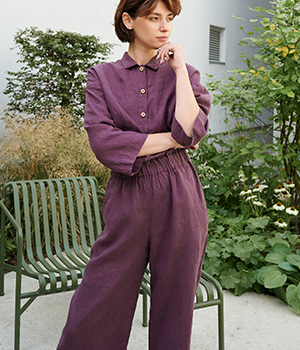
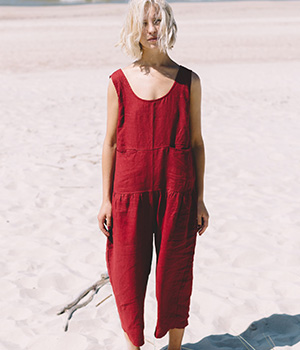
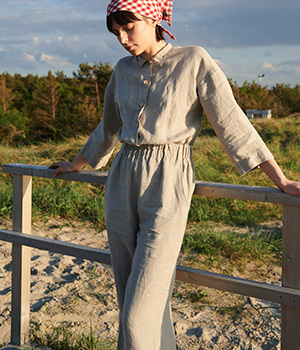
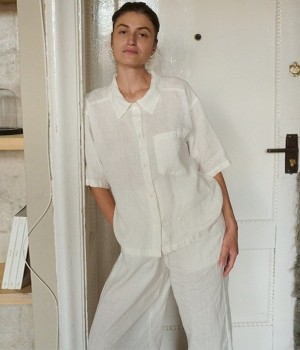
If you are building a linen apparel line, you can start with a hero category such as Custom Linen Dresses and expand later into shirts, pants, skirts, and sets.
Step 4: Create Your Brand Identity
Branding is more than a logo. It includes how your brand looks, sounds, feels, and communicates with customers.
Core Brand Elements
- Brand name
- Logo
- Brand story
- Color palette
- Typography
- Photography style
- Packaging and customer experience
Branding tip: Strong branding increases perceived value. Even simple garments can feel premium when product photography, labels, packaging, and storytelling are consistent.
Step 5: Develop Your Products
Product development turns your idea into manufacturable garments. This stage includes design, fabric selection, measurements, trims, labels, sampling, and production planning.
Option 1: OEM Manufacturing
OEM means creating custom products based on your own designs, sketches, tech packs, or reference samples. It offers stronger product differentiation and more control.
Option 2: ODM Manufacturing
ODM uses existing manufacturer designs or base styles. It is faster and often easier for startups with limited design development resources.
Related guide: OEM vs ODM Guide.
Step 6: Find a Clothing Manufacturer
Your manufacturer will become one of your most important business partners. A reliable factory helps you develop samples, source fabrics, control quality, manage MOQ, and deliver products on time.
What to Look For
- Experience in your product category
- Low MOQ support for startups
- Sampling and pattern development capability
- Fabric sourcing support
- Quality control system
- Clear communication and export experience
Before choosing a supplier, read What to Ask a Clothing Manufacturer.
Step 7: Create Samples
Sampling allows you to test fit, fabric, construction, labels, finishing, and overall appearance before bulk production. Never skip sampling, even if the design seems simple.
Sample Review Checklist
- Fit accuracy and size balance
- Fabric quality and hand feel
- Comfort and movement
- Construction quality
- Label and trim placement
- Overall appearance after finishing
Related guide: Clothing Sampling Guide.
Step 8: Select Fabrics
Fabric choice affects cost, quality, customer comfort, product positioning, and production feasibility. For linen clothing brands, fabric weight, shrinkage, finishing, and softness are especially important.
Fabric Factors to Consider
- Fabric composition
- Fabric weight and GSM
- Drape and structure
- Shrinkage after washing
- Color and dyeing method
- Finishing such as washed or softened linen
Related guide: Linen Fabric Guide.
Step 9: Understand MOQ and Budget
MOQ means minimum order quantity. It affects inventory investment, unit cost, cash flow, and production planning. New brands should choose realistic quantities instead of over-ordering before market validation.
Related guide: MOQ Guide.
| Expense | Typical Range | Notes |
|---|---|---|
| Sampling | $100–$1,000+ | Depends on design complexity, fabric, and revision rounds. |
| Production | $1,000–$10,000+ | Depends on MOQ, fabric, product type, and customization. |
| Branding | $100–$2,000+ | Includes logo, labels, hangtags, packaging, and visual identity. |
| Website | $300–$5,000+ | Depends on platform, design, product setup, and features. |
| Marketing | $500–$10,000+ | Includes photography, ads, influencer campaigns, and content. |
Step 10: Build Your Website
Your website is your digital storefront. It should explain your brand clearly, present products beautifully, and make buying easy.
Essential Website Pages
- Home
- Shop or Collections
- Product pages
- About Us
- Contact Us
- FAQ
- Shipping Policy
- Returns Policy
- Blog or Journal
SEO can become an important long-term traffic source when your website includes product category pages, buying guides, fabric education, styling content, and FAQ pages.
Step 11: Create Product Photography
Fashion is visual. Product images directly affect conversion rate, customer trust, and brand perception.
Photo Types to Prepare
- Front, back, and side product views
- Detail shots of fabric, stitching, trims, and labels
- Lifestyle images showing real use scenarios
- Model images showing fit and proportion
- Short videos for social media and product pages
Step 12: Launch Your Brand
Before launching, make sure products, website, logistics, policies, and marketing assets are ready.
Launch Checklist
- Inventory confirmed and quality checked
- Product pages completed
- Size guide prepared
- Shipping and returns policies published
- Email marketing setup completed
- Social media content prepared
- Customer service process ready
Step 13: Market Your Clothing Brand
After launch, traffic becomes critical. A clothing brand needs consistent marketing to attract customers and build trust.
Marketing Channels
- SEO: Build long-term traffic through blogs, category pages, and guides.
- Social media: Use Instagram, Pinterest, TikTok, and short-form video.
- Email marketing: Build customer relationships and repeat sales.
- Influencer marketing: Work with creators who match your target audience.
- Content marketing: Share styling ideas, fabric education, and brand stories.
Common Mistakes New Clothing Brands Make
- Launching too many products at once
- Ignoring market research
- Choosing the cheapest manufacturer without checking quality
- Skipping samples before bulk production
- Not understanding MOQ and cash flow
- Weak branding and unclear positioning
- Underestimating marketing costs
How Much Does It Cost to Start a Clothing Brand?
The cost depends on your product type, manufacturing model, MOQ, branding level, website setup, and marketing budget.
| Brand Stage | Approximate Budget | Best Approach |
|---|---|---|
| Small Startup | $2,000–$10,000 | Low MOQ, small capsule collection, simple branding |
| Growing Brand | $10,000–$50,000+ | Expanded product range, stronger branding, paid marketing |
| Established Brand | $50,000+ | Larger production, wholesale, retail partnerships, full campaigns |
Why Start with Linen Clothing?
Linen apparel is a strong category for brands focused on natural fibers, sustainability, breathable comfort, summer wear, resort style, and timeless design.
Popular Linen Categories
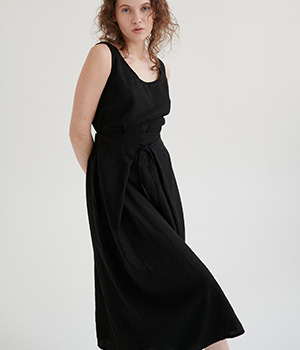
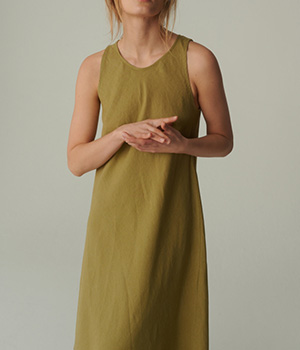
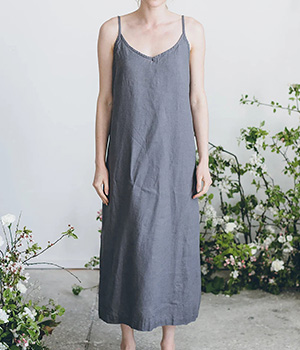
- Linen Dresses
- Linen Shirts
- Linen Pants
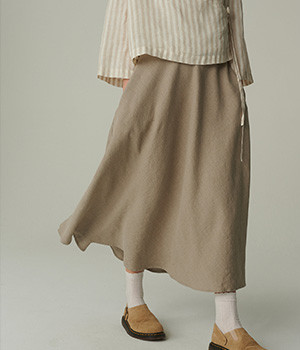
- Linen Skirts
- Linen Sets
- Linen Loungewear
- Resort Wear
Explore product development options through Custom Linen Dresses.
Why Work with Linenwind
At Linenwind, we help startups and established brands launch custom linen clothing collections with OEM, ODM, and private label manufacturing support.
- OEM and ODM linen clothing manufacturing
- Private label production support
- Fabric sourcing and sample development
- Low MOQ support for small-batch testing
- Quality control and packaging customization
- 20+ years of garment manufacturing experience
Learn more about our Linen Clothing OEM & ODM Services or contact us through Contact Us.
Start Your Linen Clothing Brand with Manufacturing Support
If you are preparing to start a clothing brand, Linenwind can help you develop samples, choose fabrics, manage MOQ, customize branding, control quality, and scale production.
Contact UsFrequently Asked Questions
How much money do I need to start a clothing brand?
Many small brands start with $2,000–$10,000, depending on product type, MOQ, sampling, branding, website setup, and marketing budget.
Can I start a clothing brand without designing products?
Yes. ODM and private label manufacturing allow brands to use existing manufacturer designs with customized labels, packaging, colors, or minor changes.
Should I use OEM or ODM?
OEM is better for original custom designs, while ODM is faster and often more affordable for startups testing the market.
What is the most important step when starting a clothing brand?
Market validation and product quality are two of the most important steps. A clear customer, focused product category, and reliable manufacturer can reduce risk.
How long does it take to launch a clothing brand?
Most brands need 2–6 months from concept to launch, depending on design development, sampling, production timeline, website setup, and marketing preparation.
Final Thoughts
Starting a clothing brand is easier than ever, but long-term success requires more than creative ideas. The strongest brands focus on clear positioning, quality products, reliable manufacturing, strong branding, realistic budgeting, and consistent marketing.
By following a structured process and working with experienced manufacturers, fashion entrepreneurs can reduce risk and build a more scalable apparel business.