










Clothing Manufacturing Cost Breakdown: Complete Guide for Brands (2026)
Clothing Manufacturing Cost Breakdown: Complete Guide for Fashion Brands
Understanding clothing manufacturing cost is essential for any fashion brand that wants to control budget, set profitable pricing, and avoid unexpected production expenses.
This guide explains the full clothing manufacturing cost breakdown, including fabric, trims, labor, sampling, MOQ, packaging, quality control, logistics, and hidden costs.
Introduction
Many new brands only ask one question: “How much does one piece cost?” In reality, apparel production cost is made of many connected parts. A final garment price may include fabric, trims, labor, pattern making, sample development, washing, finishing, packaging, quality control, shipping, and import-related expenses.
For brands working with professional Clothing Manufacturers, understanding cost structure helps improve quotation comparison, production planning, and long-term profitability.
Key takeaway: The factory unit price is only one part of total clothing cost. Brands should calculate full landed cost and business cost before setting retail or wholesale pricing.
What Is Clothing Manufacturing Cost?
Clothing manufacturing cost is the total cost required to develop, produce, finish, package, and deliver garments. For custom clothing, the final price depends on product complexity, MOQ, fabric choice, manufacturing location, quality standards, and branding requirements.
- Fabric and raw materials
- Trims and accessories
- Pattern making and sampling
- Cutting, sewing, washing, and finishing
- Quality control and inspection
- Packaging, cartons, and labeling
- Shipping, customs, and delivery
Main Clothing Manufacturing Cost Components
| Cost Component | Typical Impact | Description |
|---|---|---|
| Fabric | High | Main material cost, often the largest part of garment pricing. |
| Labor | High | Cutting, sewing, washing, finishing, ironing, trimming, and packing work. |
| Trims | Medium | Buttons, zippers, elastic, labels, drawstrings, buckles, and accessories. |
| Sampling | Variable | Pattern development, sample sewing, revisions, and sample shipping. |
| Packaging | Low to Medium | Poly bags, hangtags, cartons, custom packaging, barcode labels, and retail presentation. |
| Shipping | Variable | Express, air freight, sea freight, customs, duties, and local delivery. |
1. Fabric Cost
Fabric is usually the largest cost component in clothing manufacturing. It has a major impact on final garment cost, especially for natural fabrics such as linen, cotton, wool, silk, or specialty blends.
Fabric Cost Depends On
- Fiber type and material composition
- Fabric weight and GSM
- Fabric width and cutting efficiency
- Dyeing method and color requirements
- Finishing treatment such as washing or softening
- Fabric origin and supplier availability
- Order quantity and fabric minimums
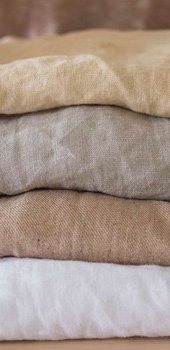
For example, linen fabric is usually more expensive than many synthetic materials because flax fiber processing, weaving, washing, and finishing require more careful production. Related guide: Linen Fabric Guide.
2. Labor Cost
Labor cost includes the work required to turn fabric into finished garments. Labor can vary significantly depending on product complexity, factory location, skill level, and quality expectations.
| Garment Type | Labor Cost Level | Reason |
|---|---|---|
| Basic T-shirt | Low | Simple construction and fast sewing process. |
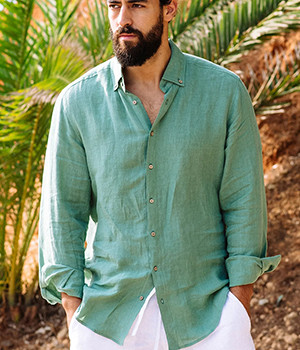
| Button-Up Shirt | Medium | Collar, cuffs, placket, buttons, and precise stitching require more time. |
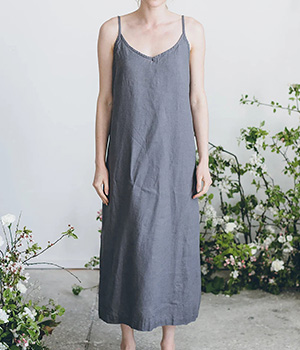
| Linen Dress | Medium to High | More fabric, fit control, seams, finishing, and possible lining increase complexity. |
| Tailored Jacket | High | Complex structure, lining, pressing, and detailed workmanship. |
3. Trims and Accessories Cost
Trims are small components, but they affect both production cost and product quality. Premium trims can improve perceived value, while low-quality trims can damage the final product experience.
- Buttons
- Zippers
- Elastic
- Drawstrings
- Buckles
- Lace or decorative trims
- Woven labels and care labels
- Hangtags and size labels
4. Pattern Making Cost
Pattern making converts a design into production-ready garment templates. It affects fit, size consistency, fabric usage, and production efficiency.
Pattern cost depends on product complexity, number of sizes, whether the brand provides a complete tech pack, and whether revisions are required. A simple top may require less development work, while structured dresses, pants, jackets, and multi-piece sets require more pattern work.
5. Sampling Cost
Sampling is the stage where the manufacturer creates a physical prototype before bulk production. Sampling may feel like an extra cost, but it helps prevent larger losses during production.
Sampling Cost May Include
- Pattern making
- Sample fabric
- Sample trims
- Sewing labor
- Revision work
- Sample shipping
Related guide: Clothing Sampling Guide.
6. MOQ and Unit Cost
MOQ means minimum order quantity. It directly affects garment unit cost because setup costs are spread across the order quantity.
| MOQ Level | Unit Cost | Best For |
|---|---|---|
| Low MOQ | Higher | Startups, testing new designs, and small capsule collections. |
| Medium MOQ | Balanced | Growing brands with more stable demand. |
| High MOQ | Lower | Established brands, wholesale programs, and retail distribution. |
Related guide: Linen Clothing MOQ Explained.
7. Washing and Finishing Cost
Some garments require additional finishing after sewing. Finishing affects hand feel, shrinkage, drape, color, and final appearance.
Common Finishing Processes
- Garment washing
- Enzyme washing
- Softening
- Stone washing
- Dyeing
- Pressing and steaming
- Shrinkage control
For linen clothing, finishing is especially important because it affects softness, shrinkage, wrinkle appearance, and final garment quality.
8. Quality Control Cost
Quality control protects the brand from defects, returns, and customer complaints. Although QC adds time and cost, it helps prevent larger losses caused by defective goods.
- Fabric inspection
- In-line inspection
- Measurement checking
- Final inspection
- Packaging inspection
Related guide: Clothing Quality Control Guide.
9. Packaging Cost
Packaging cost depends on how products are prepared for shipment and customer presentation. Basic wholesale packaging may be simple, while direct-to-consumer brands often require more branded packaging.
| Packaging Type | Examples | Cost Impact |
|---|---|---|
| Basic Packaging | Poly bag, size sticker, carton packing | Low |
| Private Label Packaging | Custom hangtags, branded bags, care cards, barcode labels | Medium |
| Premium Packaging | Custom boxes, tissue paper, thank-you cards, eco mailers | Medium to High |
10. Shipping and Logistics Cost
Shipping cost depends on shipment weight, carton volume, destination country, shipping method, customs duties, and delivery speed.
| Shipping Method | Cost Level | Speed | Best For |
|---|---|---|---|
| Express Courier | High | Fast | Samples and urgent small orders. |
| Air Freight | Medium to High | Fast | Time-sensitive production orders. |
| Sea Freight | Low | Slow | Bulk shipments and wholesale orders. |
Clothing Manufacturing Cost Formula
A simplified clothing manufacturing cost formula is:
Total Garment Cost = Fabric + Trims + Labor + Sampling + Finishing + QC + Packaging + Logistics
For retail brands, you also need to add marketing cost, website cost, payment fees, warehousing, returns, and profit margin. The factory price is not the same as your final business cost.
Example: Cost Breakdown for a Linen Dress
| Cost Item | Example Share |
|---|---|
| Linen Fabric | 40% |
| Labor | 25% |
| Trims & Labels | 8% |
| Washing & Finishing | 10% |
| QC & Packaging | 7% |
| Shipping | 10% |
This example shows why fabric choice, construction complexity, and order quantity have such a strong impact on final pricing. Explore related product development: Custom Linen Dresses.
Hidden Costs Brands Often Forget
- Sample revisions
- Fabric testing
- Lab dips and color approvals
- Extra trims or replacement trims
- Custom labels and packaging setup
- Urgent shipping
- Import duties and customs fees
- Quality inspection
- Product photography
- Returns and exchanges
How to Reduce Clothing Manufacturing Cost
1. Start with Simple Designs
Simple designs reduce pattern, sampling, sewing, finishing, and QC complexity.
2. Use Available Fabrics
Stock fabrics reduce sourcing time, MOQ pressure, and custom dyeing cost.
3. Limit Colorways
Too many colors increase fabric minimums and production complexity.
4. Increase Quantity Gradually
Start small, validate demand, then reorder best-selling styles in higher quantity.
5. Prepare Clear Tech Packs
Clear instructions reduce sample revisions and production mistakes.
6. Work with Experienced Manufacturers
Experienced manufacturers can recommend better fabrics, construction methods, and cost-saving options.
Cost Planning for Startups
Startups should focus on reducing risk rather than chasing the lowest unit price. A smart startup strategy is to begin with limited styles and scale gradually.
- Start with 2–5 styles.
- Use limited colors.
- Choose available fabrics.
- Test with low MOQ.
- Improve based on customer feedback.
- Scale best-selling products.
Why Work with Linenwind
At Linenwind, we help fashion brands control production cost while maintaining product quality. Our services include fabric sourcing, sampling, OEM and ODM manufacturing, low MOQ production, private label support, quality control, packaging, and export coordination.
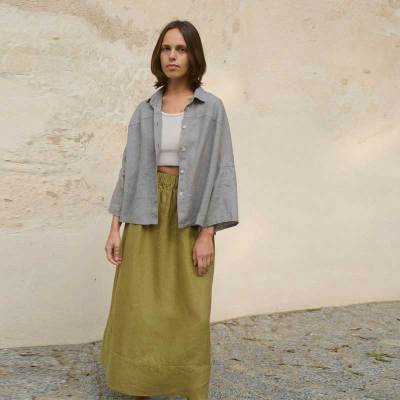
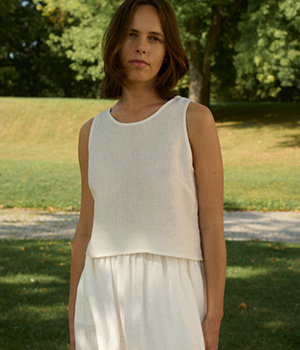
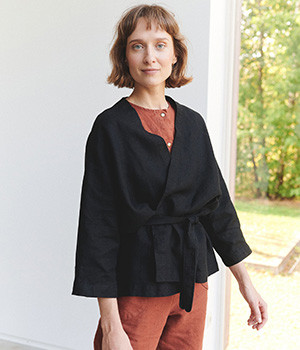
We support custom linen apparel development for dresses, shirts, pants, skirts, tops, sets, and resort wear.
Learn more about Linen Clothing OEM & ODM Services or contact us through Contact Us.
Plan Your Clothing Manufacturing Cost with Confidence
If you are preparing a custom clothing collection, Linenwind can help you evaluate fabric options, MOQ, sampling, production cost, quality control, packaging, and shipping before bulk production.
Contact UsFrequently Asked Questions
What is the biggest cost in clothing manufacturing?
Fabric and labor are usually the biggest cost components. For linen clothing, fabric often has a major impact on final pricing.
Does MOQ affect clothing manufacturing cost?
Yes. Lower MOQ usually increases unit cost, while higher MOQ can reduce unit cost through production efficiency.
How can I reduce garment production cost?
You can reduce cost by using available fabrics, simplifying designs, limiting colorways, preparing clear tech packs, and increasing quantity gradually after market validation.
Is sampling included in bulk production cost?
Usually sampling is charged separately, especially for custom designs or first-time development.
What is landed cost?
Landed cost is the total cost after adding product cost, shipping, customs, duties, and other delivery-related expenses.
Final Thoughts
Understanding clothing manufacturing cost breakdown helps brands plan production more realistically and avoid unexpected expenses.
Instead of focusing only on the lowest unit price, brands should evaluate fabric quality, labor, MOQ, sampling, finishing, quality control, packaging, logistics, and hidden costs. A clear cost structure helps fashion brands build better products, protect margins, and scale sustainably.