
Linen-Viscose Blend Fabric: Comprehensive B2B Manufacturing Guide
An in-depth resource for apparel brands, sourcing professionals, and garment manufacturers exploring linen-viscose blended fabrics — covering composition, performance data, cost analysis, and OEM best practices.
Understanding Linen-Viscose Fabric
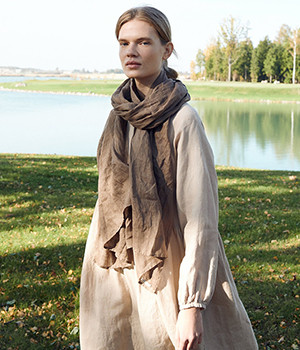
Linen-viscose (also called linen-rayon) is a blended textile combining natural flax fibers with regenerated cellulose fibers derived from wood pulp. This combination creates a fabric that captures the best qualities of both fibers: the natural breathability and textured aesthetic of linen, plus the silky softness and fluid drape of viscose.
In B2B apparel manufacturing, linen-viscose has become one of the most requested blends for spring-summer collections. Brands choose it for its comfort-to-cost ratio, design versatility, and consumer appeal. With proper sourcing and production planning, linen-viscose garments deliver a premium feel at a mid-range price point.
This guide covers everything sourcing professionals need to know — from fiber composition and blend ratios to shrinkage data, weaving options, and manufacturing best practices.
Linen-Viscose vs. Pure Linen vs. Linen-Cotton: Performance Data
Data-driven comparison for informed sourcing decisions
| Property | Linen-Viscose (55:45) | 100% Linen | Linen-Cotton (50:50) |
|---|---|---|---|
| Composition | 55% Flax / 45% Regenerated Cellulose | 100% Flax | 50% Flax / 50% Cotton |
| Breathability Rating | 8/10 — Good | 10/10 — Excellent | 6/10 — Moderate |
| Softness (First Wear) | 9/10 — Soft from day one | 5/10 — Stiff initially | 7/10 — Moderately soft |
| Drape Quality | 9/10 — Fluid, elegant | 5/10 — Crisp, structured | 6/10 — Moderate drape |
| Shrinkage Rate | 3-5% (<2% pre-shrunk) | 3-5% | 2-4% |
| Wrinkle Resistance | 7/10 — Moderate | 3/10 — Wrinkles easily | 5/10 — Moderate |
| Dye Uptake | 9/10 — Excellent | 5/10 — Moderate | 7/10 — Good |
| Moisture Regain | ~10% | ~12% | ~8% |
| Wet Strength | Reduced 40-50% | Excellent | Moderate reduction |
| Relative Cost | 100 (baseline) | 125-135 | 90-100 |
| Sustainability | Moderate (Ecovero improves) | Highest | Moderate-High |
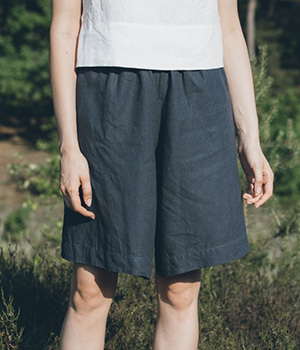
| Best Applications | Dresses, blouses, skirts, trousers | Shirts, premium resortwear | Casual shirts, basics |
Common Blend Ratios and Their Best Uses
Selecting the right blend ratio is critical for garment performance and cost optimization
The industry standard. Balanced softness, breathability, and drape. Suitable for blouses, summer dresses, casual trousers, and skirts.
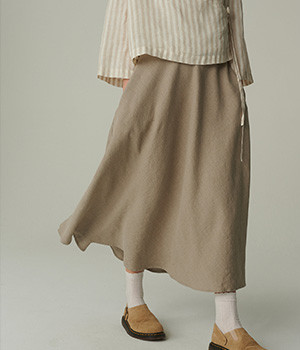
High-drape option. Very soft, fluid, and silk-like. For bias-cut dresses, flowing maxi skirts, designer resortwear, and premium womenswear.
Smooth, nearly wrinkle-resistant. Cost-friendly for fast-fashion tops and volume-driven apparel. Excellent for digital printing.
Premium high-linen option. Maximum breathability, natural texture. Preferred by designer labels and premium resortwear brands.
OEM Manufacturing Best Practices for Linen-Viscose Garments
Pre-Shrunk Fabric Is Essential
Always specify pre-shrunk for OEM production. Unprocessed linen-viscose shrinks 3-5% in the first wash. Pre-shrunk treatment reduces this to under 2%.
Cutting & Sewing Adjustments
Linen-viscose has lower wet strength than pure linen. Use finer needles (size 70-80), reduce overlock tension, and avoid excessive handling during wet processing.
Fabric Inspection Protocol
Inspect all rolls for width consistency, shade variation, and surface defects. Different batches may show minor shade differences.
Care Label Requirements
Include clear instructions: machine wash cold (30°C), gentle cycle, do not wring, lay flat to dry. Good labeling reduces returns.
Commercial Applications Across Apparel Categories
Women's Dresses & Jumpsuits
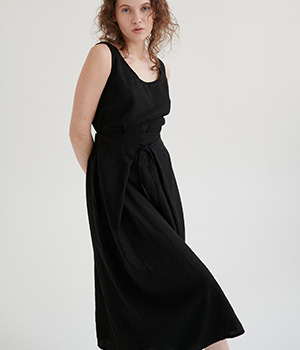
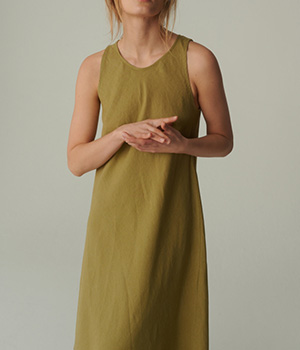
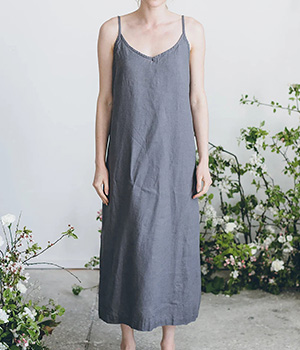
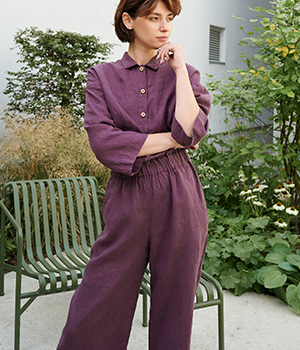
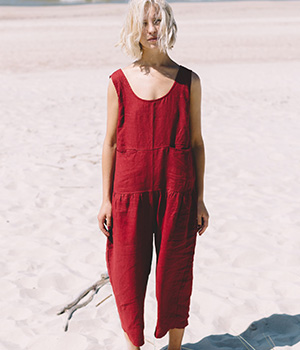
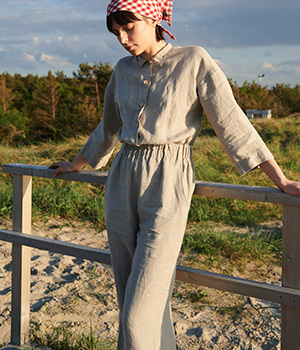
Wrap dresses, shirt dresses, slip dresses, and wide-leg jumpsuits. Linen-viscose creates elegant silhouettes that move naturally.
Blouses & Tops
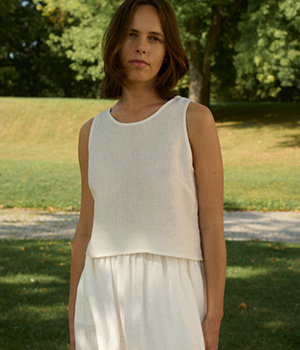
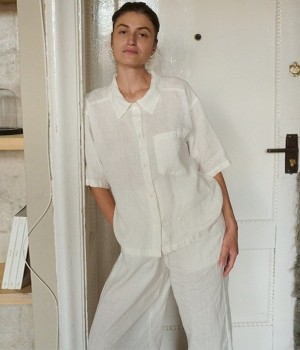
Lightweight blouses, tunics, peasant tops. The blend's softness and drape make it ideal for feminine, flowy tops.
Men's Summer Shirts
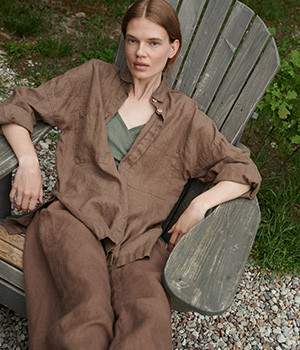
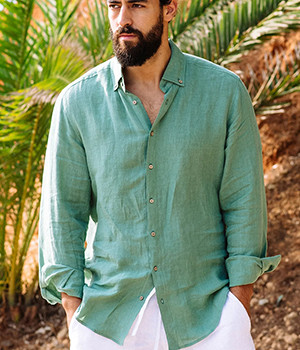
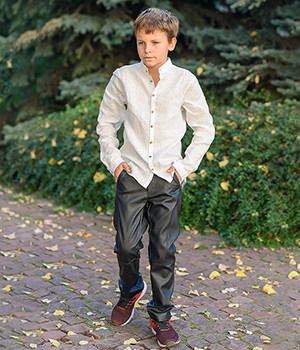
Cuban-collar shirts, resort shirts, and casual button-downs. Linen-viscose offers the relaxed linen look with better comfort.
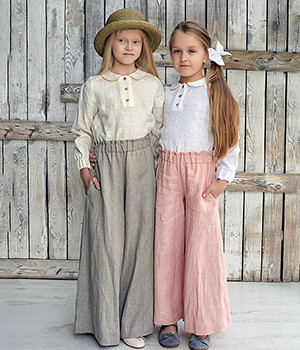
Palazzo Trousers & Wide-Leg Pants
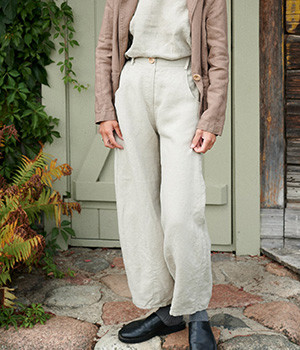
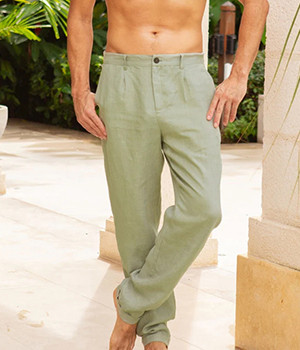
Flowing wide-leg pants and culottes. The fabric's drape creates elegant movement for these silhouettes.
Sourcing Linen-Viscose: What Buyers Need to Know
Viscose Quality Matters
Not all viscose is equal. Standard viscose can pill; premium grades (Lenzing Ecovero, Birla Modal) produce superior fabric.
Lead Times
Custom fabric requires 30-45 days. Standard stock fabrics ship within 7-14 days. Plan accordingly.
Minimum Order Quantities
Fabric mills require 500-1,000 meters per color. Linenwind's garment MOQ starts from 60 pieces per design.
Sustainability Certification
Specify OEKO-TEX Standard 100 certified viscose and Lenzing Ecovero for reduced environmental impact.
Frequently Asked Questions
Is linen-viscose the same as linen-rayon?
Yes. Linen-viscose and linen-rayon refer to the same fabric type. Viscose is a type of rayon produced through the viscose process. They are used interchangeably.
What GSM should I choose for dresses?
120-150 GSM for lightweight summer dresses; 150-180 GSM for everyday dresses; 180-230 GSM for structured dresses and pants.
Is linen-viscose suitable for sensitive skin?
Yes. Both linen and viscose are hypoallergenic. Linen-viscose is softer than pure linen from the first wear.
Can Linenwind manufacture garments using linen-viscose?
Yes. Linenwind specializes in custom garment manufacturing using linen-viscose and other linen blends. Contact our team for a quotation.
Start Your Linen-Viscose Project
Ready to develop your next linen-viscose collection? Share your design specifications and we'll respond within 24 hours with a tailored proposal.