
Casual Chic Linenwear Custom Manufacturing




What materials are used in linen clothing manufacturing?
What Materials Are Used in Linen Clothing Manufacturing?
Short Answer
Linen clothing is primarily made from flax fibers, but manufacturers
also use blended fabrics, trims, and supporting materials such as
buttons, linings, and threads to create complete garments.
Primary Material: Linen Fiber
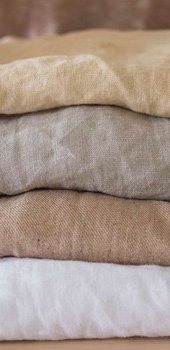
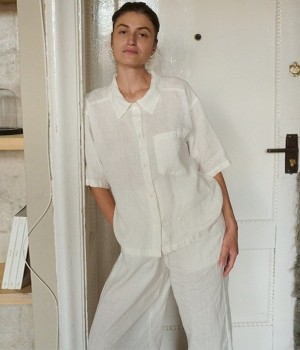
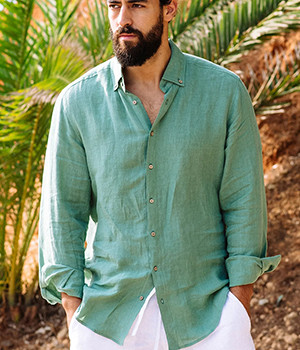
The main material used in linen clothing manufacturing is flax-based linen fabric. This natural fiber is known for its breathability, durability, and textured appearance.
- 100% linen fabric for natural performance
- Washed linen for a softer hand feel
- Different fabric weights for seasonal use
- Natural or dyed finishes depending on design
Professional Linen Clothing Manufacturers typically offer a range of linen fabric options to match different product categories and price levels.
Linen Blend Fabrics
In addition to pure linen, manufacturers often use blends to achieve specific performance or cost targets.
- Linen-cotton blends for added softness
- Linen-viscose blends for improved drape
- Linen-polyester blends for wrinkle resistance
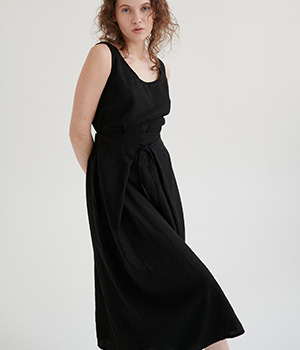
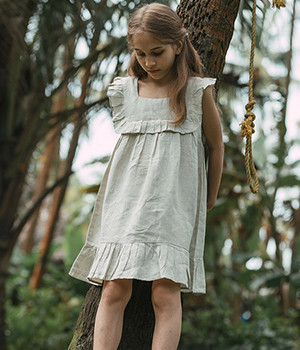
Blended fabrics are commonly used in Custom Linen Dresses to balance comfort, structure, and price.
Supporting Materials and Trims
In addition to fabric, several supporting materials are used to complete linen garments.
- Threads suitable for natural fibers
- Buttons made from wood, shell, or resin
- Zippers, elastics, and fasteners
- Labels, tags, and packaging materials
These components play an important role in both functionality and brand presentation.
Linings and Interlinings
Some linen garments include additional materials to improve structure or comfort.
- Lightweight linings for dresses and skirts
- Interlinings for collars, cuffs, or waistbands
- Reinforcement materials for stress points
These materials help maintain shape and enhance the durability of the garment.
Dyeing and Finishing Materials
Linen garments often go through dyeing and finishing processes that require additional materials and treatments.
- Reactive or garment dyeing processes
- Softening and washing treatments
- Color fixation and finishing chemicals
These processes influence the final look, texture, and color stability of the product.
OEM and ODM Material Selection Support
Manufacturers offering Linen Clothing OEM & ODM services typically guide brands in selecting the most suitable materials based on design goals, market positioning, and budget.
This support helps ensure that all materials work together to achieve the desired product performance and appearance.
Final Takeaway
Linen clothing manufacturing involves more than just linen fabric. It includes blends, trims, linings, and finishing materials that together define the garment’s quality, comfort, and durability. Choosing the right combination of materials is key to creating successful linen apparel.
Select the Right Materials for Your Linen Collection
Linen clothing manufacturing involves more than just linen fabric. It includes blends, trims, linings, and finishing materials that together define the garment’s quality, comfort, and durability. Choosing the right combination of materials is key to creating successful linen apparel.