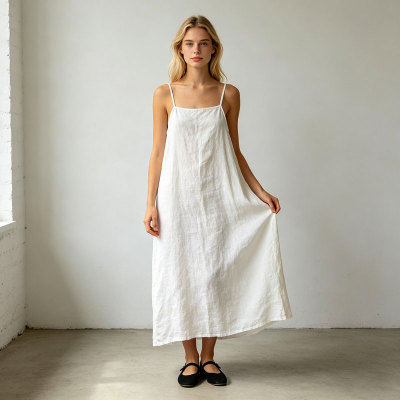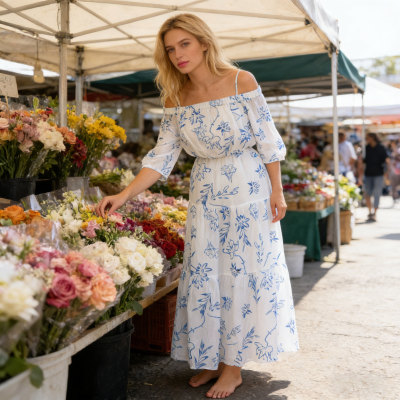
Casual Chic Linenwear Custom Manufacturing
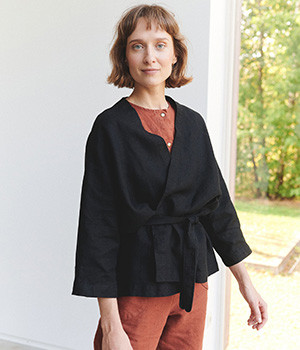
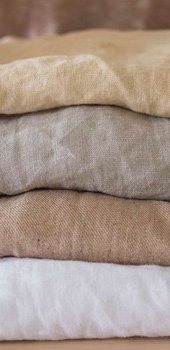
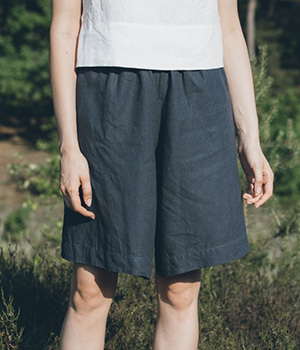
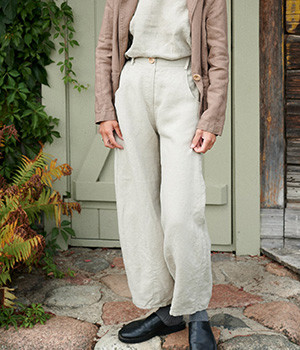
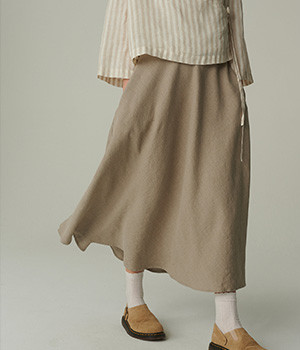
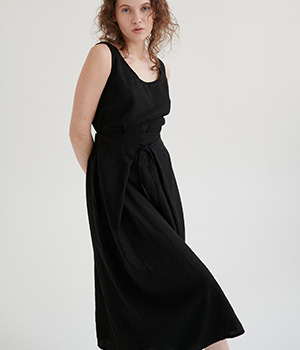
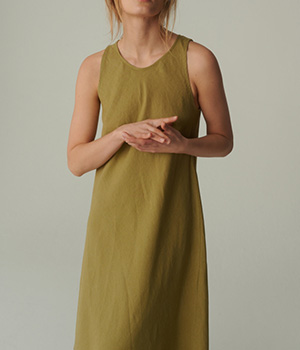
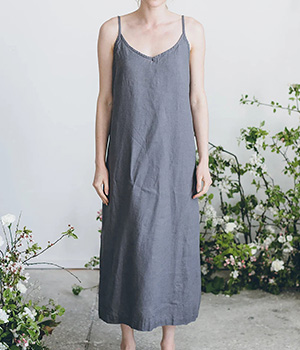
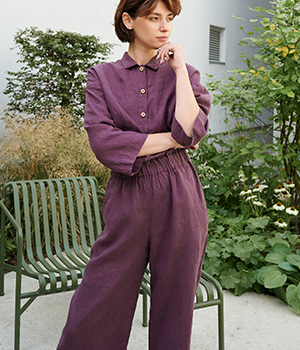
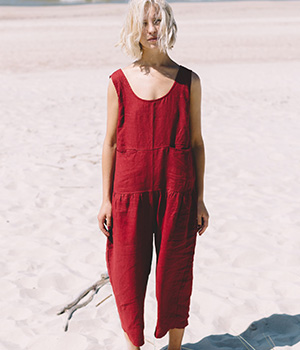
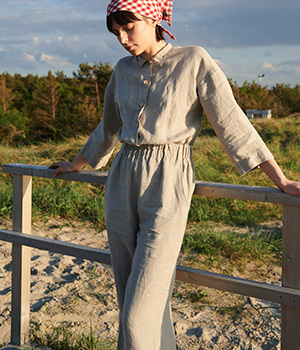
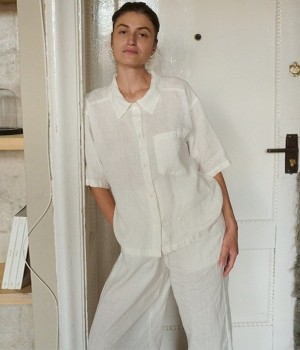
What types of linen fabrics do linen clothing manufacturers use?
What Types of Linen Fabrics Do Linen Clothing Manufacturers Use?
Short Answer
Linen clothing manufacturers use a wide range of linen fabrics, including 100% linen,
European flax linen, linen blend fabrics, multiple GSM weights, and different weaves
and finishes. Fabric selection depends on garment type, price positioning,
performance requirements, and sustainability goals.
Main Types of Linen Fabrics Used in Clothing Manufacturing
1) 100% Linen Fabric
This is the most traditional and breathable linen option, made entirely from flax fibers.
- Excellent breathability and moisture absorption
- Natural texture with visible slubs
- Strong sustainability credentials
Common uses: linen shirts, dresses, summer tops, resort wear
Best suited for brands emphasizing natural materials, premium quality, and sustainability.
2) European Flax Linen
European flax linen is considered the premium grade of linen fabric.
- Sourced from flax grown in France, Belgium, and the Netherlands
- Longer fibers produce smoother yarn and higher durability
- High traceability and strong environmental credentials
Common uses: premium shirts, dresses, capsule collections
Often selected for high-end or eco-conscious fashion brands.
3) Linen Blend Fabrics
Linen blends improve performance and cost efficiency while maintaining a linen look.
- Linen + Cotton: softer handfeel and easier care
- Linen + Viscose: improved drape and wrinkle control
- Linen + Tencel™: enhanced softness and sustainability balance
Common uses: casual apparel, daily wear, price-sensitive collections
Blends help reduce shrinkage and sewing time while retaining linen aesthetics.
4) Linen Fabrics by GSM (Weight)
| GSM Range | Characteristics | Typical Garments |
|---|---|---|
| 120–150 GSM | Lightweight, breathable, airy | Tops, blouses |
| 160–200 GSM | Balanced structure and drape | Shirts, dresses |
| 210–260 GSM | Heavier, more structured | Pants, jackets |
Higher GSM fabrics offer more durability and structure but increase fabric cost.
5) Weaves and Textures
Linen fabrics vary significantly by weave and surface texture.
- Plain weave linen (most common)
- Slub or textured linen
- Yarn-dyed linen
- Washed or garment-dyed linen
Weave choice affects appearance, sewing difficulty, and final garment cost.
6) Finished and Treated Linen Fabrics
Many manufacturers use pre-treated linen to improve stability and handfeel.
- Pre-washed or pre-shrunk linen
- Enzyme-washed linen for softness
- Garment-dyed linen for vintage aesthetics
These treatments enhance performance but add processing cost.
How Manufacturers Match Linen Fabric to Garment Needs
Professional linen clothing manufacturers select fabrics strategically based on:
- Target retail pricing and margin structure
- Garment category such as shirts, dresses, or bottoms
- Desired handfeel, drape, and appearance
- Sustainability and compliance requirements
- MOQ and production scale
Fabric selection is a commercial and technical decision, not simply a material preference.
How We Select Linen Fabrics at Linenwind
At Linenwind, we offer flexible linen fabric options tailored to different brand needs.
- European flax linen and traceable linen sources
- 100% linen and carefully engineered linen blends
- Wide GSM selection for shirts, dresses, and bottoms
- Pre-wash, shrinkage, and colorfastness testing before bulk
- Low MOQ of 60 pieces, including premium linen programs
We help brands choose the right linen fabric for design intent, price point, and sustainability goals.
Explore our linen product collections: custom linen clothing collections
Learn more about our fabric sourcing and OEM/ODM services: linen clothing manufacturing and fabric sourcing
To discuss linen fabric options: contact a linen clothing manufacturer
FAQ — Linen Fabric Types
Q1. Is 100% linen always better than linen blends?
A1. Not necessarily. 100% linen offers maximum breathability and sustainability, while blends improve softness, wrinkle resistance, and cost efficiency.
A1. Not necessarily. 100% linen offers maximum breathability and sustainability, while blends improve softness, wrinkle resistance, and cost efficiency.
Q2. What GSM linen is best for shirts?
A2. Most linen shirts use 160–200 GSM fabric for a balance of breathability, durability, and drape.
A2. Most linen shirts use 160–200 GSM fabric for a balance of breathability, durability, and drape.
Q3. Can European flax linen be used for low MOQ orders?
A3. Yes. Manufacturers like Linenwind offer European flax linen with low MOQs, starting from 60 pieces.
A3. Yes. Manufacturers like Linenwind offer European flax linen with low MOQs, starting from 60 pieces.
Q4. Does pre-washed linen shrink less?
A4. Yes. Pre-washing or pre-shrinking stabilizes linen fibers and significantly reduces post-production shrinkage.
A4. Yes. Pre-washing or pre-shrinking stabilizes linen fibers and significantly reduces post-production shrinkage.
Q5. How do manufacturers help brands choose the right linen fabric?
A5. Professional manufacturers evaluate garment design, price targets, sustainability goals, and production scale to recommend the most suitable linen fabric.
Choose the Right Linen Fabric for Your Brand
A5. Professional manufacturers evaluate garment design, price targets, sustainability goals, and production scale to recommend the most suitable linen fabric.