Casual Chic Linenwear Custom Manufacturing
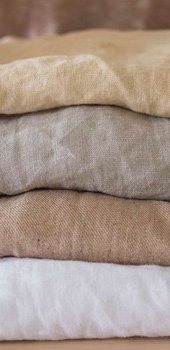
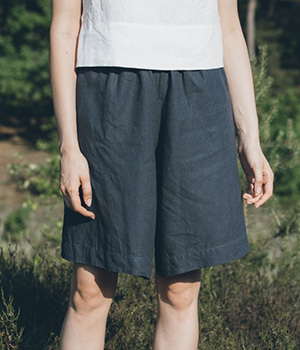
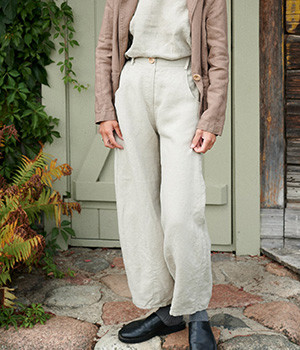
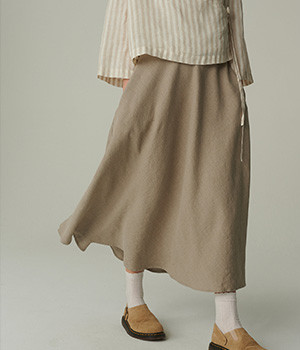
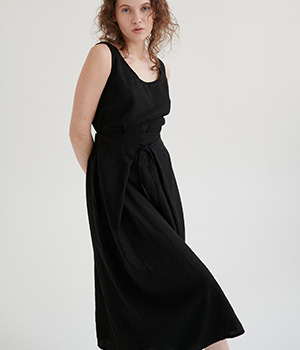
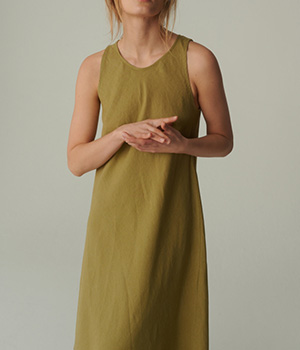
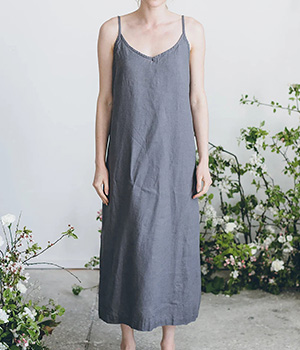

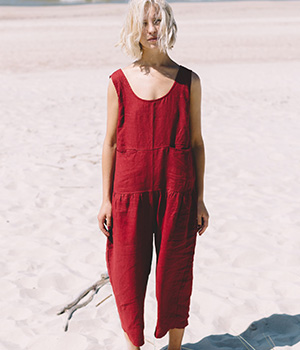
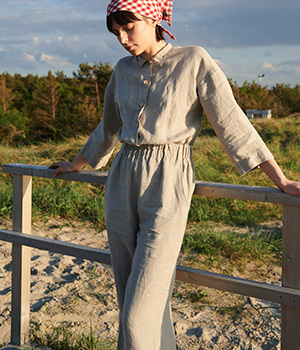


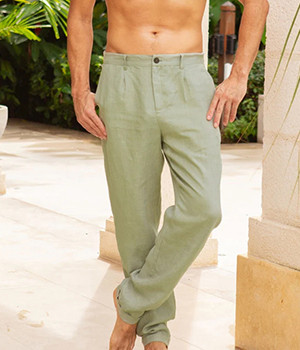
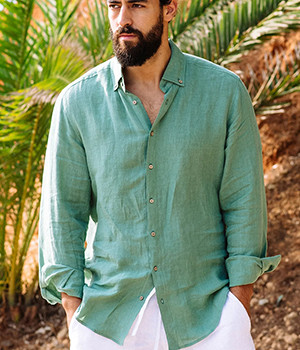
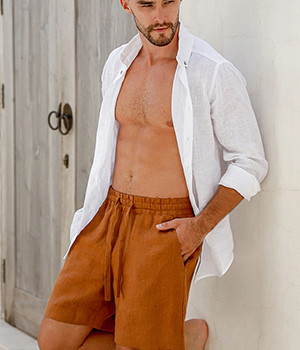
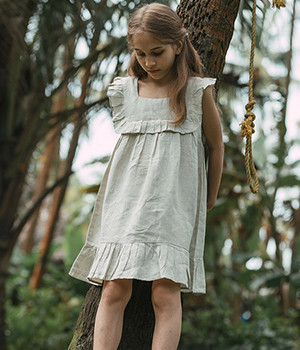
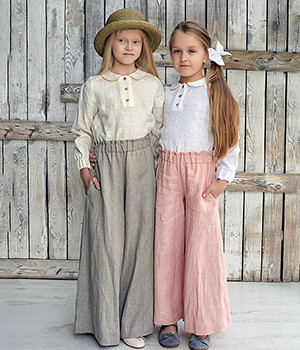
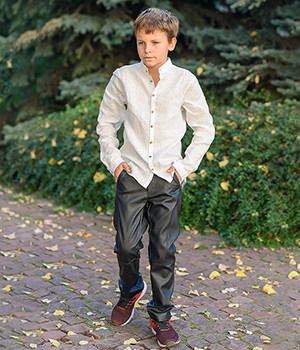
How do linen clothing manufacturers support sustainable fashion brands?
How Do Linen Clothing Manufacturers Support Sustainable Fashion Brands?
Short Answer
Linen clothing manufacturers support sustainable fashion brands by sourcing certified eco-friendly linen,
using low-impact dyeing and washing processes, ensuring ethical and transparent production,
offering low-MOQ manufacturing to reduce waste, and providing documentation that supports verified sustainability claims.
Why Linen Manufacturing Aligns With Sustainable Fashion
Linen is widely regarded as one of the most sustainable natural fibers because it requires fewer agricultural inputs and offers long-term durability.
- Requires significantly less water than cotton
- Grows with fewer pesticides and chemicals
- Is biodegradable and recyclable
- Supports long product lifecycles through durability
However, true sustainability depends on how linen is manufactured, not just the fiber itself.
Key Ways Linen Clothing Manufacturers Support Sustainable Brands
1) Sustainable Material Sourcing
Manufacturers support eco-conscious brands by offering traceable and certified linen materials:
- European flax linen or clearly traceable linen origins
- OEKO-TEX® and GOTS certified linen fabrics
- Linen blends that balance sustainability, durability, and cost efficiency
Material transparency forms the foundation of credible sustainability claims.
2) Low-Impact Dyeing and Finishing
Responsible linen manufacturers minimize environmental impact through controlled processes:
- Low-impact and azo-free dye systems
- Reduced water and energy usage during washing
- Carefully managed enzyme or garment washing
These methods significantly reduce wastewater pollution and chemical load.
3) Ethical and Transparent Production
Sustainable fashion requires socially responsible manufacturing practices:
- BSCI or equivalent social compliance audits
- Safe working environments and fair labor standards
- Transparent production workflows and traceability
Ethical labor practices are inseparable from environmental sustainability.
4) Low MOQ and Small-Batch Production
Sustainability also means producing only what the market demands.
- Low MOQs for market testing and limited releases
- Support for capsule collections and seasonal drops
- Reduced overproduction and dead stock
Lower production volume directly reduces material waste and carbon footprint.
5) Focus on Quality and Durability
Durable garments are inherently more sustainable because they reduce replacement frequency.
- Shrinkage and colorfastness testing
- Strong seam engineering and reinforced stress points
- Consistent quality control throughout production
6) Support for Sustainable Branding and Compliance
Manufacturers also assist brands in communicating sustainability accurately:
- Clear care labels and fiber content disclosure
- Certification documentation for retail and marketing use
- Guidance on compliant sustainability claims
Proper documentation helps brands avoid greenwashing and compliance risks.
How We Support Sustainable Fashion Brands at Linenwind
At Linenwind, sustainability is integrated into every stage of our linen manufacturing process.
- Priority use of European flax linen and certified fabric options
- Shrinkage and colorfastness testing to extend garment lifespan
- Low-impact dyeing and finishing techniques
- Low MOQ of 60 pieces to prevent overproduction
- Transparent production documentation for sustainability verification
- Collaborative planning to align manufacturing decisions with brand sustainability goals
Learn more about our sustainability approach: sustainable linen clothing manufacturing practices
For eco-conscious product development: OEM and ODM services for sustainable linen brands
To discuss your responsible linen collection: contact a sustainable linen clothing manufacturer
FAQ — Sustainable Linen Manufacturing
Q1. Why is linen considered a sustainable fabric?
A1. Linen requires less water, fewer chemicals, and is biodegradable and highly durable, making it well suited for sustainable fashion when manufactured responsibly.
A1. Linen requires less water, fewer chemicals, and is biodegradable and highly durable, making it well suited for sustainable fashion when manufactured responsibly.
Q2. Do sustainable linen manufacturers always use certified fabrics?
A2. Responsible manufacturers prioritize certified fabrics such as OEKO-TEX or GOTS when available and provide traceability documentation to support sustainability claims.
A2. Responsible manufacturers prioritize certified fabrics such as OEKO-TEX or GOTS when available and provide traceability documentation to support sustainability claims.
Q3. How does low MOQ contribute to sustainability?
A3. Low MOQ production reduces overproduction, excess inventory, and textile waste, which lowers overall environmental impact.
A3. Low MOQ production reduces overproduction, excess inventory, and textile waste, which lowers overall environmental impact.
Q4. Can small brands work with sustainable linen manufacturers?
A4. Yes. Many sustainable linen manufacturers offer low MOQs and small-batch production models designed for emerging brands and capsule collections.
A4. Yes. Many sustainable linen manufacturers offer low MOQs and small-batch production models designed for emerging brands and capsule collections.
Q5. How does Linenwind help brands avoid greenwashing?
A5. We provide verified material sourcing, transparent production documentation, and guidance on compliant sustainability communication.
Build a Sustainable Linen Collection With Linenwind
A5. We provide verified material sourcing, transparent production documentation, and guidance on compliant sustainability communication.