
Casual Chic Linenwear Custom Manufacturing



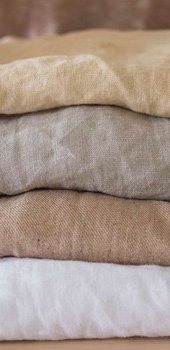


















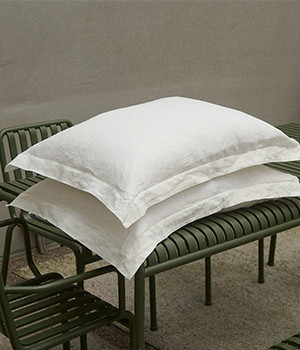


How to shorten lead time with linen manufacturers?
How to Shorten Lead Time with Linen Manufacturers
Short Answer
Brands can shorten lead time with linen manufacturers by finalizing designs early, using existing patterns and stock fabrics, approving samples quickly, planning capacity with SMV data, and working with manufacturers that offer in-house OEM and ODM services with low MOQs.
Proven Ways to Shorten Linen Manufacturing Lead Time
1. Lock Design and Specifications Before Production
- Finalize tech pack, size chart, BOM, and tolerances
- Avoid design or measurement changes after PPS approval
- Reduce revision rounds to prevent rework
Design changes during bulk production are the most common cause of linen manufacturing delays.
2. Use Existing Patterns and Core Styles
- Adapt factory base patterns instead of building from scratch
- Apply minor fit adjustments rather than full redevelopment
- Reuse proven silhouettes from past collections
Using existing patterns can save 7–15 days in development time.
3. Choose Stock or Pre-Booked Linen Fabrics
- Select available European flax linen fabrics
- Limit custom dyeing when possible
- Approve lab dips quickly if custom colors are required
Fabric readiness often determines the entire production timeline for linen garments.
4. Approve Samples Faster with Clear PPS Discipline
- Set internal deadlines for sample feedback
- Review fit, color, and shrinkage in one approval round
- Avoid conditional or partial approvals
A three-day approval instead of ten days can shorten lead time by a full week.
5. Plan Capacity Using SMV Data
- Confirm SMV during the sampling stage
- Match order quantity to sewing line capacity
- Avoid peak-season congestion where possible
SMV-based planning prevents queueing delays on linen sewing lines.
6. Start with Low MOQ Test Runs
- Smaller batches move through production faster
- Reduced line congestion and simpler QC
- Easier scheduling during busy seasons
Low MOQ supports faster scheduling, not just lower inventory risk.
7. Work with Vertically Integrated Manufacturers
- In-house CAD and sampling
- Owned cutting and sewing lines
- Integrated QC and packing operations
Vertical integration removes delays caused by supplier handovers.
8. Prepare Compliance and Labels Early
- Finalize care labels and country-of-origin details
- Prepare REACH and OEKO-TEX-related documentation
- Confirm packaging specifications before bulk
Early compliance preparation avoids post-production holds.
Lead Time Reduction Impact (Realistic Estimates)
| Optimization Action | Potential Time Saved |
|---|---|
| Using existing patterns | 7–15 days |
| Stock or pre-booked fabrics | 5–10 days |
| Fast PPS approval | 3–7 days |
| Low MOQ scheduling | 3–5 days |
| In-house OEM and ODM | 5–8 days |
| Total Potential Reduction | 10–25 days |
How Linenwind Helps Brands Move Faster
At Linenwind, we shorten linen production lead times through:
- European flax linen stock and pre-booking options
- In-house CAD, sampling, cutting, and sewing
- Shrinkage and colorfastness testing before bulk
- SMV-based capacity planning
- Low MOQ of 60 pcs for quick scheduling
- Milestone-based production tracking
- Real-time communication and fast approvals
Typical production timelines:
- 25–35 days for standard linen styles
- 30–45 days for full OEM and ODM projects
Explore our OEM and ODM services, browse custom linen product collections, or request a fast timeline assessment.
FAQ — Shortening Linen Manufacturing Lead Time
Can linen production really be faster than 30 days?
Yes, for repeat styles using stock fabrics and existing patterns, linen production can be completed in as little as 25–30 days.
Yes, for repeat styles using stock fabrics and existing patterns, linen production can be completed in as little as 25–30 days.
Does low MOQ automatically mean faster delivery?
Low MOQ reduces scheduling pressure and line congestion, which often results in faster production, but design readiness is still critical.
Low MOQ reduces scheduling pressure and line congestion, which often results in faster production, but design readiness is still critical.
What approval step causes the most delay?
Late PPS approval is the most common bottleneck because bulk production cannot start without it.
Late PPS approval is the most common bottleneck because bulk production cannot start without it.
Is SMV planning necessary for small brands?
Yes. SMV planning ensures realistic timelines and prevents overbooking, regardless of brand size.
Yes. SMV planning ensures realistic timelines and prevents overbooking, regardless of brand size.
How early should brands start planning linen production?
Brands should start development at least 60–90 days before target delivery to allow flexibility and buffer time.
Get a Faster Linen Production Plan
Brands should start development at least 60–90 days before target delivery to allow flexibility and buffer time.