
Casual Chic Linenwear Custom Manufacturing
Home / All / For Fashion Brands & Designers / Loose-Cut Linen Apparel for a Middle East Importer: Modest Coverage in a Hot Climate
Loose-Cut Linen Apparel for a Middle East Importer: Modest Coverage in a Hot Climate
Loose-Cut Linen Apparel for a Middle East Importer: Modest Coverage in a Hot Climate
Linen Clothing Manufacturer Case Study
Loose-Cut Linen Apparel for a Middle East Importer: Modest Coverage in a Hot Climate
A Gulf-based importer supplying boutique retailers needed a linen range that stayed opaque in strong daylight, covered the body without looking oversized, and carried Arabic and English labeling on every garment. MOQ: 60 pcs per style across four styles.
1. Client Background
Client Type: Importer and regional distributor
Market: Gulf Cooperation Council countries, with smaller shipments into the Levant
Brand Positioning: Mid-market modest everyday wear for women and men
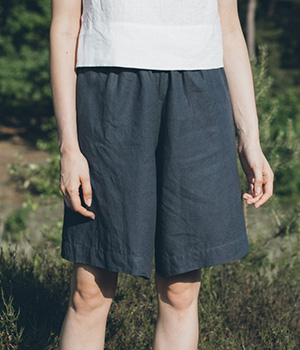
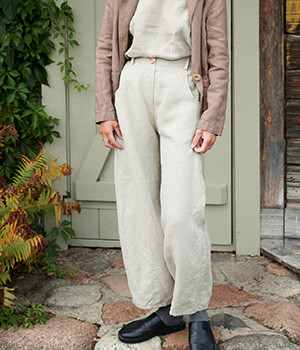
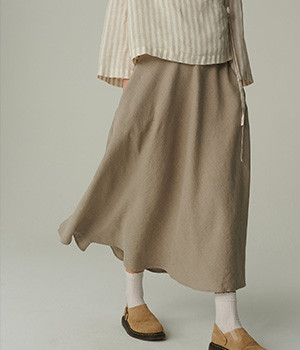
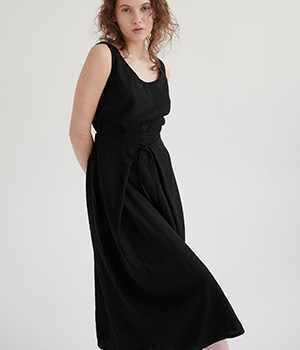
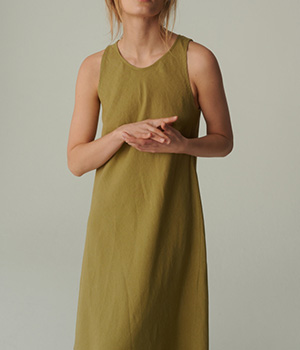
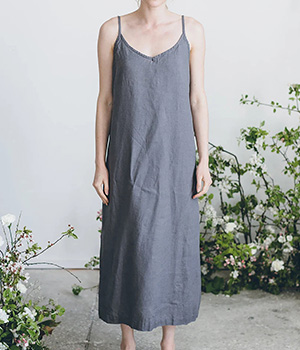
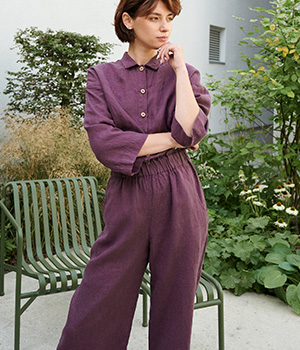
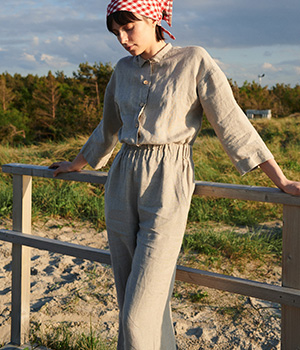
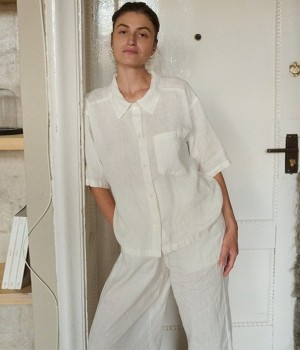
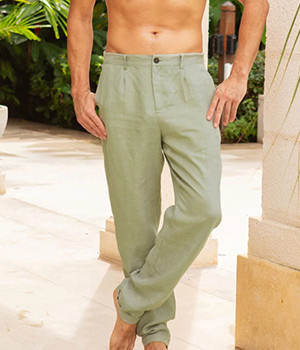
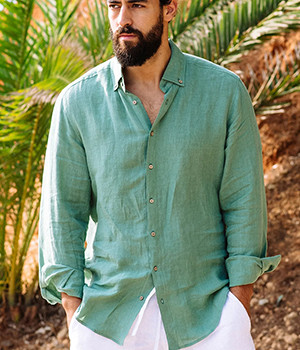
Product Category: Linen maxi dresses, tunics, wide-leg pants, camp-collar shirts, and two-piece sets
The importer does not run its own label. It builds seasonal assortments for roughly thirty independent boutiques and two small department-store accounts, then handles import clearance, warehousing, and replenishment itself. That position makes the company sensitive to two things at once: the garment has to suit a modest dress code, and it has to survive a retail floor in 45°C summer heat without looking limp or transparent.
2. Project Objective
- Build a four-style linen capsule that reads as modest coverage rather than oversized fashion
- Guarantee opacity in direct sunlight, especially on lighter natural shades
- Keep the silhouette loose through the chest, waist, and hip without adding bulk at the shoulder
- Apply bilingual labeling and export documentation that clears GCC customs without rework
- Hold MOQ at 60 pcs per style so the importer can test color depth across boutiques
3. Product Overview
Product Types: A-line maxi dress, long tunic with side slits, wide-leg drawstring pants, and a relaxed camp-collar shirt
Target Channels: Independent boutiques, small department-store corners, and the importer's own stock list
Season: Spring/Summer with a year-round carry-over core in ecru, sand, olive, and black
Priority: Coverage, opacity, and heat comfort in one consistent pattern block
4. Custom Requirements
The buyer supplied reference garments rather than technical drawings, so the first task was translating those references into measurable pattern rules. Coverage was treated as a set of dimensions, not a mood.
- Mid-weight linen, approximately 190–220 GSM, chosen for opacity rather than drape alone
- Garment wash finishing to soften the hand feel and control shrinkage before cutting
- Loose fit with 8–12 cm ease at the chest and 10–14 cm at the hip, graded consistently from S to XXL
- Higher neckline options and three-quarter or full-length sleeves on the dress and tunic
- Side slits kept below the knee so the garment stays practical when walking and sitting
- Opacity check on every light shade under a daylight lamp before bulk approval
- Bilingual woven label and care label in Arabic and English, with origin marking
- MOQ 60 pcs per style per color, four styles in the first program
5. Linenwind Regional Adaptation Solution
We started from the fabric rather than the pattern. A 190–220 GSM plain-weave linen gave the importer the coverage it needed without lining, which matters in a hot climate because a lining layer cancels most of the comfort advantage of linen. Ecru and sand were the risk shades, so we cut a small opacity set first and photographed each one over a dark backing under direct daylight. Two candidate fabrics failed that check and were replaced before any bulk fabric was booked.
The pattern work focused on where volume sits. Ease was added through the chest, waist, and hip, while the shoulder and upper sleeve stayed closer to the body, so the garment covered without reading as a sack. Armhole depth was reduced slightly against our standard block to protect coverage when the arm lifts, a small change that the importer's fitting team flagged as the difference between wearable and not. Grading was checked at the extremes, because a loose fit that works at medium often collapses at XXL.
Labeling and documentation ran in parallel with sampling. Each garment carried an Arabic and English care label, a woven main label, and an origin mark, with carton markings matched to the importer's customs broker format. The buyer confirmed the minimum order quantity for custom linen clothing before fixing color depth, and used our sampling timeline to align the range with its boutique delivery window.
6. Production Details
| Fabric | European linen, approx. 190–220 GSM, garment washed and pre-shrunk |
|---|---|
| Customization | Loose modest block, higher neckline options, below-knee slits, bilingual labels |
| MOQ | 60 pcs per style per color |
| Total Styles | 4 styles, 3–4 colorways each |
| Sampling Time | 8–12 days, two rounds (fit and opacity set, then size grading) |
| Bulk Lead Time | 28–35 days after sample and label approval |
| Quality Control | Inline inspection plus final inspection: measurements, opacity, workmanship, labels, packing |
| Certification | ISO 9001, OEKO-TEX Standard 100, BSCI, SEDEX |
7. Results & Feedback
- The opacity set removed two fabrics before bulk, avoiding a recall risk on the lightest shades
- Shoulder-adjusted ease kept the range modest in coverage while still photographing as contemporary
- Bilingual labels and matched carton markings cleared the first shipment without documentation rework
- The 60 pcs structure let the importer place four styles with uneven color depth across boutiques
“We have bought linen before and spent the season explaining why the ivory dress was see-through.
This time the fabric was tested before we committed, and our retailers noticed the difference on the
shop floor.”
8. Why This Case Matters
- Modest coverage is a pattern and fabric decision, not a size-up decision
- Opacity belongs in sampling, because light shades are where linen programs fail commercially
- Hot-climate ranges should avoid lining and gain coverage from fabric weight instead
- Bilingual labeling and carton marking are production steps, not paperwork added at the port
9. Related Linen Manufacturing Capabilities
Building a linen range for a hot climate or a modest dress code?
Send your reference garments and target markets, and we will return a fabric and coverage proposal within 48 hours.
Are you looking for a reliable manufacturer of linen clothing products?
We can quickly provide customers with market analysis, technical support and customized services.