
What Is Made Out of Linen? The Complete Guide to Linen Products for Fashion Brands (2026)
What Is Made Out of Linen? The Complete Guide to Linen Products for Fashion Brands (2026)
Linen is one of the oldest textiles in human history, yet its application range continues to expand in modern fashion and home goods. For fashion brands and retailers exploring linen as a material category, understanding what can be made from this fiber is the first step toward building a competitive product line. This guide covers every major product category made from linen, with production insights, market data, and sourcing considerations for B2B buyers.
Linen, derived from the flax plant (Linum usitatissimum), is a natural bast fiber prized for its exceptional breathability, durability, moisture-wicking properties, and distinctive textured appearance. Unlike cotton, which is primarily used for casual and basic apparel, linen spans a remarkably wide range of products — from high-end fashion garments and luxury home textiles to technical industrial composites. For B2B buyers and brand owners looking to diversify their product offerings or launch new collections, understanding the full scope of linen applications is essential for making informed and profitable sourcing decisions.
Apparel: The Largest Linen Product Category
Apparel accounts for approximately 65% of global linen consumption according to the European Confederation of Flax and Hemp (CELC, 2025 data). Fashion brands source linen for its natural aesthetic and functional properties, particularly in warm-weather and transitional collections.
Shirts and Blouses
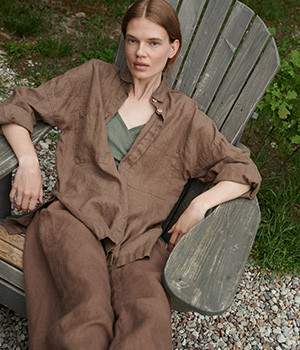
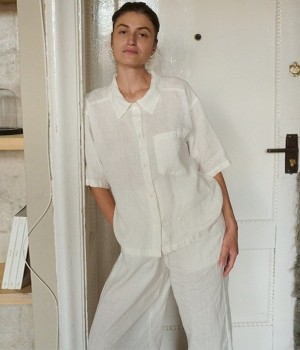
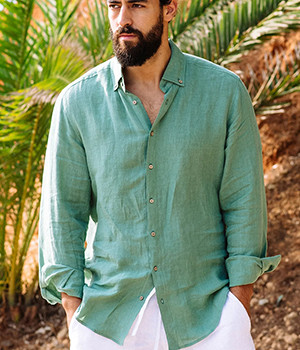
Linen shirts are the most recognized linen product worldwide and often serve as the entry point for brands entering the linen category. The global linen shirt market was valued at approximately USD 3.8 billion in 2025 and is projected to grow at a consistent CAGR of 5.2% through 2030 (Grand View Research). Key styles currently in demand include:
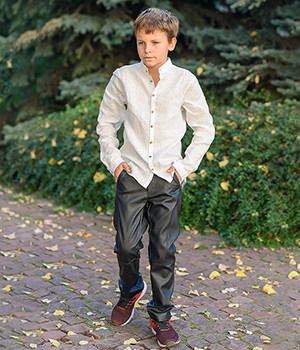
- Classic button-down shirts — 140-160 gsm, standard business casual staple in Southern Europe and North America
- Relaxed-fit resort shirts — 120-140 gsm, popular in hospitality and resort wear collections
- Women's blouses — often blended with viscose (70/30) for drape without sacrificing breathability
- Guayabera shirts — traditional Caribbean style, experiencing revival in Latin American markets
Dresses and Skirts
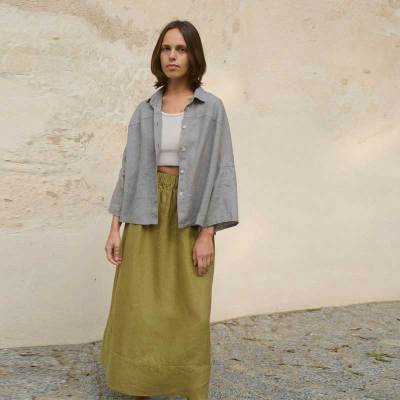
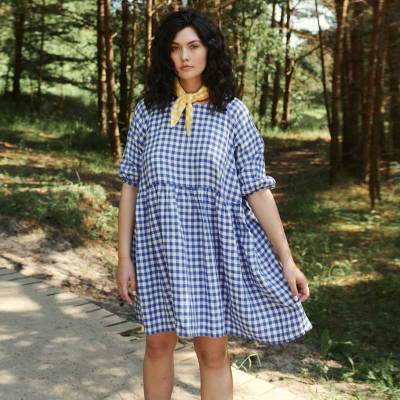
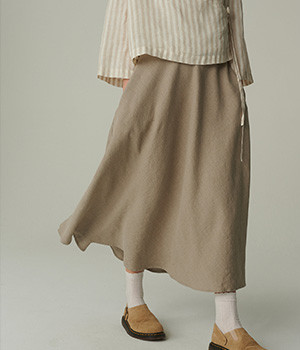
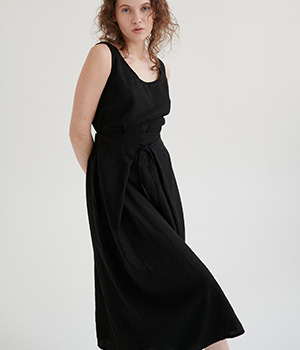
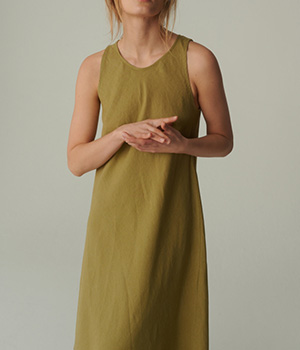
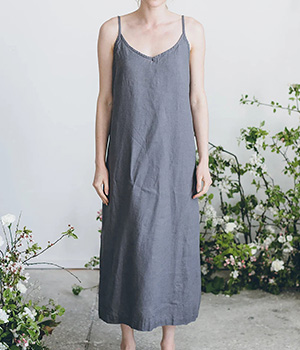
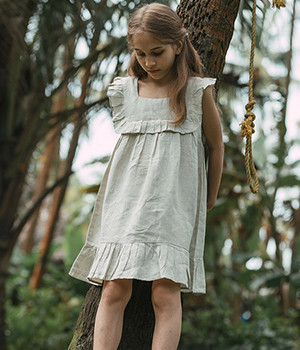
Linen dresses constitute a significant and growing portion of women's linen apparel, particularly in the European and North American summer fashion markets. Linenwind's internal production data shows that dress orders account for 32% of our custom manufacturing volume between March and July annually, making it our single largest product category by order frequency. Popular dress styles currently in production include:
- Midi and maxi dresses — 160-200 gsm, full-length silhouettes
- A-line and shift dresses — 140-170 gsm, structured shapes that showcase linen's natural body
- Wrap dresses — blended with Tencel for added fluidity
- Smocked and tiered dresses — lightweight 110-130 gsm for casual summer wear
Pants and Trousers
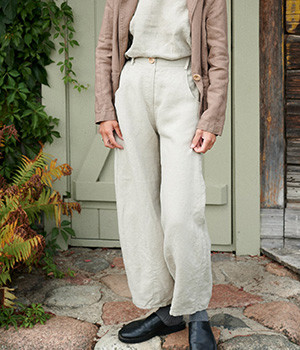
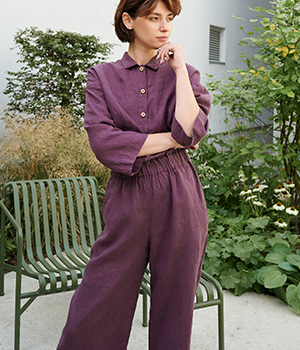
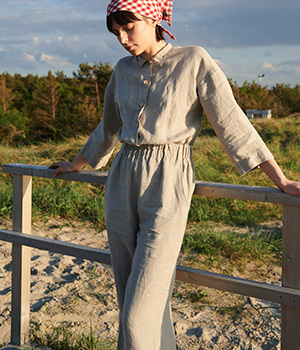
The linen trouser market has seen significant expansion since 2022, driven by the rise of "smart casual" dress codes in professional environments. A 2025 survey by the International Textile Manufacturers Federation (ITMF) found that 43% of North American offices now explicitly allow linen trousers in business casual dress codes.
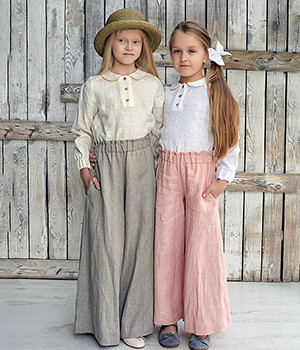
- Wide-leg trousers — 180-220 gsm, the most popular style for women
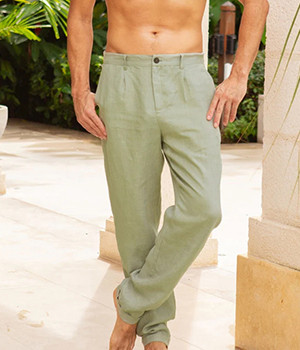
- Straight-leg pants — 170-200 gsm, unisex design favored in European markets
- Cropped pants and culottes — 150-170 gsm, popular in Asian markets
- Linen-cotton blend chinos — 55/45 blend, addresses wrinkle concerns
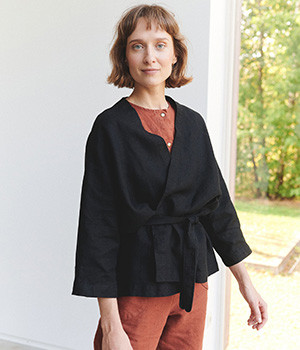
Jackets and Blazers
Linen blazers have carved a niche in the warm-weather suiting market, with brands like Zegna and Loro Piana featuring linen in their spring/summer collections. For B2B production, structured linen jackets require 220-280 gsm fabric and fused interfacing to maintain shape.
Home Textiles: The Second Largest Category
Home textiles represent approximately 25% of global linen consumption. The linen home textile market was estimated at USD 2.1 billion in 2025, with bed linens accounting for the largest share (Euromonitor International).
Bed Linen
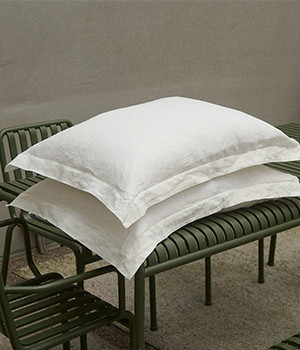
Linen bedding has experienced a surge in consumer demand since 2020, driven by growing awareness of sleep quality and natural materials. Linen sheets, duvet covers, and pillowcases are prized for their temperature-regulating properties:
- Fitted sheets and flat sheets — 140-185 gsm, pre-washed for softness
- Duvet covers — 130-170 gsm, often stonewashed for a lived-in feel
- Pillowcases — standard and king sizes, 140-160 gsm
- Bed skirts and decorative covers — 160-200 gsm
Table Linens
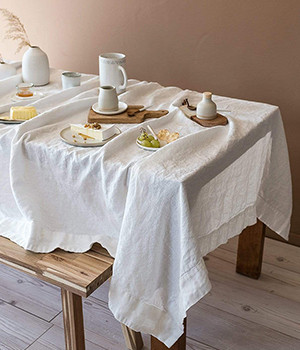
Linen remains the preferred fabric for premium table settings in hospitality and fine dining. The hospitality linen market demands specific quality standards, including 180-220 gsm for tablecloths and stain-resistant finishes:
- Tablecloths — 180-240 gsm, hemmed edges, available in standard banquet sizes
- Napkins — 140-180 gsm, 45-55 cm square, sold in dozens
- Placemats and runners — 160-200 gsm, often with decorative stitching
- Kitchen towels — 130-170 gsm, highly absorbent
Towels and Bath Linens
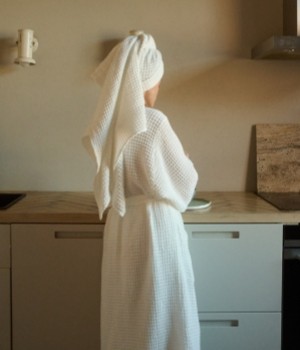
Unlike cotton terry towels, linen towels offer faster drying times and natural antibacterial properties. European spa and wellness resorts increasingly specify linen towels for their sustainability credentials. Linen bathrobes are also gaining popularity in the luxury hospitality segment, with hotels such as those in the Leading Hotels of the World consortium specifying linen robes for their summer amenities packages.
Accessories and Small Leather Goods Alternatives
Linen accessories offer brands an entry point into natural fiber collections without the commitment of full garment runs. The global linen accessories market, while smaller in volume, commands higher unit margins — typically 40-55% compared to 25-35% for apparel (Textile Exchange, 2025).
- Hats and caps — 180-240 gsm, structured brim styles
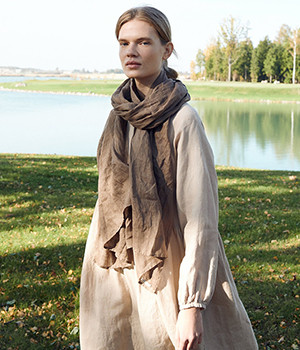
- Scarves and wraps — 80-120 gsm, lightweight and semi-sheer
- Tote bags — 220-300 gsm, heavy-duty construction
- Belts — woven linen webbing with leather trim
- Hair accessories — scrunchies, headbands in 100-130 gsm linen
For B2B buyers considering linen accessories, the lower fabric consumption per unit (typically 0.3-0.8 meters for accessories vs 1.5-3.0 meters for garments) means reduced inventory risk and faster sample turnaround. Many Linenwind clients start with accessory capsule collections to test market response before committing to full apparel lines.
Industrial and Technical Linen Products
Beyond consumer goods, linen's mechanical properties make it valuable in several industrial applications. While this segment represents only about 5% of total linen consumption, it commands premium pricing due to specialized processing requirements.
- Canvas and tarpaulins — heavy 300-500 gsm, treated for weather resistance
- Fire hose liners — linen's water swell property creates natural sealing
- Bookbinding cloth — fine 80-120 gsm, starch-coated for durability
- Insulation materials — flax fiber insulation boards for construction
- Composite reinforcement — flax fiber used in automotive door panels and bicycle frames
The industrial linen segment requires different supplier qualifications than apparel manufacturing. Buyers in this space should look for ISO 9001 and ISO 14001 certifications, specialized finishing equipment for coating and treatment, and experience with technical specifications such as tensile strength, water resistance, and fire retardancy.
Regional Product Preferences: What Sells Where
Understanding regional preferences helps B2B buyers tailor their product ranges and optimize inventory allocation. Based on Linenwind's order data across 15 export markets covering approximately 1,200 B2B shipments in 2024-2025, the following product preferences emerge by region:
| Region | Top Linen Product | Preferred Weight | Market Share | Growth Rate (YoY) |
|---|---|---|---|---|
| Southern Europe | Linen shirts & blouses | 140-160 gsm | 28% | +4.1% |
| North America | Linen dresses & bedding | 150-185 gsm | 24% | +8.3% |
| Northern Europe | Linen trousers & shirts | 160-200 gsm | 18% | +3.7% |
| Middle East | Linen thobes & abayas | 180-220 gsm | 12% | +11.2% |
| East Asia | Linen pants & accessories | 130-170 gsm | 10% | +6.8% |
| Oceania | Linen shirts & homewares | 140-160 gsm | 8% | +5.4% |
Table: Regional linen product preferences based on Linenwind B2B order data, January 2024 — June 2025. Source: internal production records.
Linen Blends: Expanding the Product Range
Pure linen has inherent characteristics — wrinkles easily, limited stretch, moderate drape — that some brands address through blending. Understanding blend options enables B2B buyers to select the optimal fabric for their target market and price point.
| Blend Ratio | Common Products | Key Benefit | Price Premium vs Pure Cotton |
|---|---|---|---|
| 55% Linen / 45% Cotton | Shirts, bedsheets | Softer hand feel, fewer wrinkles | +30-40% |
| 70% Linen / 30% Viscose | Dresses, blouses | Better drape, reduced creasing | +25-35% |
| 50% Linen / 50% Tencel | Pants, skirts | Eco-friendly, fluid drape | +40-50% |
| 80% Linen / 20% Silk | Premium blouses | Luxury sheen, lightweight | +80-120% |
| 65% Linen / 35% Polyester | Uniforms, workwear | Wrinkle resistance, durability | +15-20% |
Table: Common linen blend ratios and their applications. Source: Linenwind fabric sourcing database, 2025.
Seasonal Product Planning with Linen
For fashion brands and retail buyers, linen product planning follows a distinct seasonal cycle that directly impacts sourcing timelines, cash flow, and inventory turnover. Understanding this rhythm is critical for timely sourcing, avoiding peak-season price premiums, and ensuring product availability during high-demand windows.
Spring/Summer Collections (January-May Production)
This is peak linen season, accounting for 60-65% of annual linen apparel orders at Linenwind. Products include lightweight shirts, dresses, shorts, and resort wear in 100-170 gsm fabrics.
Transitional/Early Fall (June-August Production)
Growing trend toward "seasonless linen" — mid-weight 170-210 gsm pieces designed for layering. Linen blazers, long-sleeve dresses, and heavier trousers gain traction.
Year-Round Basics (Continuous)
Linen home textiles (bedding, table linens) and accessories maintain steady demand throughout the year, making them ideal for brands seeking consistent production schedules.
Sourcing Considerations for B2B Buyers
When sourcing linen products for your brand or retail line, B2B buyers should conduct thorough due diligence and evaluate potential manufacturing partners on the following criteria before placing orders:
- Flax sourcing: European flax (French, Belgian, Dutch) is widely considered the highest quality. Verify whether the manufacturer uses certified European flax or lower-cost Asian flax.
- Fabric weight range: A versatile manufacturer should offer 100-300 gsm range across multiple weaves (plain, twill, herringbone, slub).
- Finishing capabilities: Pre-washing, enzyme washing, stone washing, and garment dyeing all affect the final product texture and appearance.
- Minimum order quantities: Typical MOQs range from 200-500 pieces per style for custom manufacturing, though some suppliers offer stock service with lower minimums.
- Certifications: OEKO-TEX Standard 100, GOTS (for organic flax), and ISO 9001 indicate quality and safety compliance.
Frequently Asked Questions About Linen Products
Summary: Building Your Linen Product Strategy
Linen's versatility extends far beyond the classic summer shirt most consumers recognize. From apparel and home textiles to accessories and industrial applications, the range of products made from linen continues to expand as consumer demand for natural, sustainable, and biodegradable materials grows across every major market. For B2B buyers and brand owners, the key to commercial success lies in matching the right linen type, weight, finish, and blend combination to your target market's specific preferences, seasonal requirements, and price sensitivity.
Whether you are launching a capsule linen collection or expanding an existing line, working with an experienced custom manufacturer like Linenwind ensures access to quality European flax, flexible MOQs, and production expertise across multiple product categories. Contact our team to discuss your linen product requirements, or browse our product categories for inspiration.
Article by Linenwind — Custom Linen Clothing Manufacturer since 2015. European flax, OEKO-TEX certified, MOQ from 200 pieces.