

OEM vs ODM Linen Clothing Manufacturing Explained | Complete Guide
Ultimate Manufacturing Guide
Understanding the critical difference between OEM and ODM linen clothing manufacturing is the foundation of success for fashion brands, startups, designers, and wholesale buyers. Your choice between these two production models directly impacts your development timeline, total cost, design control, customization level, market launch speed, and long-term brand identity. This comprehensive guide breaks down every detail of OEM and ODM linen production, including core definitions, key features, full comparison tables, ideal use cases, cost analysis, MOQ rules, and expert advice to help you select the perfect manufacturing strategy for your linen apparel business.
OEM stands for Original Equipment Manufacturing — a production model where you own 100% of the design, and the factory only produces garments based on your exact specifications. In the professional linen apparel industry, OEM manufacturing means you provide complete design documents, technical packs, fabric requirements, measurement charts, stitching details, labeling instructions, and finishing standards, and the manufacturer transforms your unique vision into physical linen garments.
OEM is the most customizable production model for linen clothing, as every element of the final product is controlled by your brand. Unlike general apparel, linen garments require specialized production techniques including fabric pre-washing, softening treatment, anti-shrinking processing, and precision stitching to preserve the natural texture, breathability, and durability of linen materials. A professional OEM linen factory will follow your technical requirements strictly while providing expert advice on linen-specific production details.
With OEM linen manufacturing, you retain full intellectual property rights for your designs. This model is designed for brands that want complete differentiation, unique silhouettes, exclusive fabric combinations, and a distinct market position that cannot be replicated by other brands using the same factory designs.
OEM production for linen clothing includes full support for custom fabrics (including organic linen, European linen, blended linen), custom trims, unique color dyeing, personalized embroidery, custom woven labels, custom size charts, and exclusive packaging — every detail reflects your brand identity.
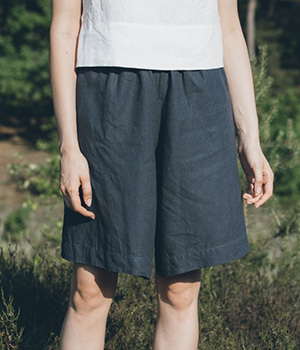
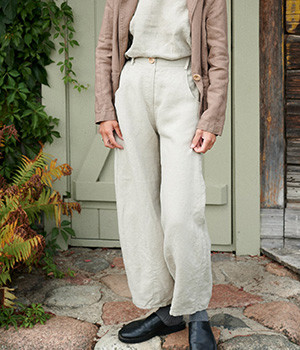
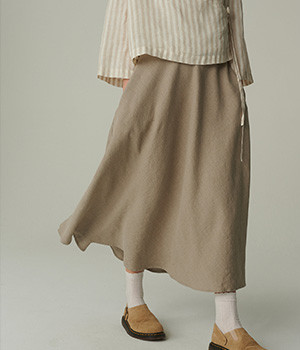
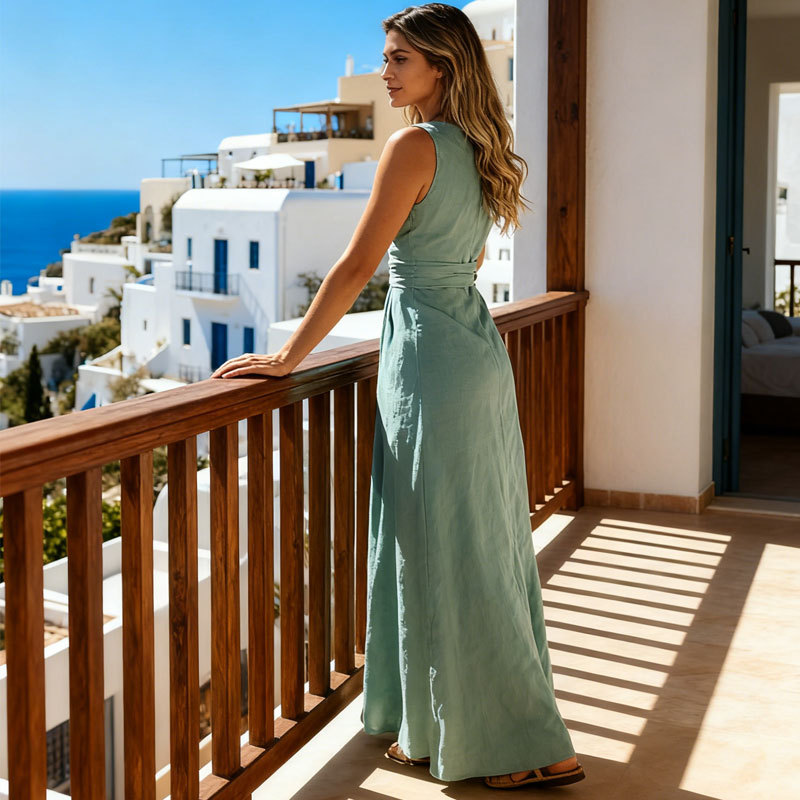
ODM stands for Original Design Manufacturing — a production model where the factory creates and owns the original designs, and you add your brand label for private label sales. In linen apparel ODM manufacturing, factories develop a full catalog of ready-made linen styles, including shirts, dresses, pants, shorts, skirts, and two-piece sets, based on market trends, fabric characteristics, and consumer demand.
As a brand, you select your favorite styles from the factory’s existing collection, then customize basic elements such as brand labels, color options, minor fit adjustments, and fabric selection from the factory’s stock material library. ODM eliminates the need for you to create designs from scratch, making it the fastest and most cost-effective way to launch a professional linen apparel collection.
Professional ODM linen factories employ experienced in-house design teams that research global fashion trends, develop trendy yet timeless linen styles, and optimize patterns specifically for linen fabric’s unique properties. These ready-made designs are already tested for fit, comfort, and market appeal, reducing your risk of launching unpopular styles.
ODM linen manufacturing still supports private label branding, so your customers will only see your brand name — the factory remains invisible. This model is perfect for startups, new brands, e-commerce sellers, and boutique retailers who want to launch high-quality linen collections quickly without investing in full design and development teams.
This complete comparison table covers every critical factor to help you understand the real differences between OEM and ODM linen manufacturing: The right choice between OEM and ODM depends entirely on your brand stage, goals, budget, timeline, and design resources. Use this professional decision guide to select the perfect model:
Many successful brands start with ODM to test the market and build cash flow, then transition to OEM as they grow and develop their own unique designs. This hybrid strategy is the most popular and effective approach in the modern linen apparel industry.
For professional factory selection guidance to support your OEM or ODM needs:
How to Choose a Reliable Linen Clothing Factory.
Explore verified OEM & ODM suppliers for your linen collection:
Top 10 Linen Clothing Factories in China.
Cost is one of the most important factors when choosing between OEM and ODM. Below is a detailed breakdown of all cost components for both models:
While OEM has a higher per-unit and upfront cost, it delivers higher profit margins due to product exclusivity. ODM has lower upfront costs but slightly lower profit margins due to market competition with similar styles.
MOQ (Minimum Order Quantity) differs significantly between OEM and ODM due to production setup requirements:
If you need ultra-low MOQ for startup testing, ODM is the better choice. For exclusive custom production, OEM MOQ is a necessary investment for quality and efficiency.
Follow these expert tips to maximize success with OEM or ODM linen clothing manufacturing: Prepare detailed technical packs with clear measurements, fabric specs, stitching details, and finishing requirements. Provide reference samples if possible. Approve all samples thoroughly before bulk production. Communicate frequently with your factory to ensure custom details are executed correctly. Plan your timeline early to account for longer development and production periods. Select timeless, versatile styles that appeal to your target market. Limit color options to 2–3 best-selling shades for lower MOQ and faster delivery. Use high-quality brand labels to enhance product value. Test samples for fit, fabric, and comfort before ordering. Order small quantities first to test sales performance before reordering in bulk. Always work with linen-specialized factories that understand fabric characteristics. Request full quality inspection reports. Confirm lead times, payment terms, and shipping arrangements in writing. Build long-term partnerships for better pricing and priority production. Choose factories with strong communication and after-sales support. Q1: Can I switch from ODM to OEM later as my brand grows? A1: Absolutely! This is the most common strategy for successful linen brands. Start with ODM to test the market, then transition to OEM for exclusive custom designs once you establish sales and brand recognition. Q2: Do ODM factories sell the same styles to multiple brands? A2: Yes, standard ODM designs are available to multiple buyers. However, you can customize colors, labels, and minor details to differentiate your products. For exclusive styles, choose OEM production. Q3: Is OEM quality better than ODM linen clothing? A3: Quality depends on the factory, not the model. A professional linen factory produces high-quality products for both OEM and ODM orders. The difference is design ownership, not craftsmanship. Q4: Can I get custom fabrics with ODM production? A4: ODM uses factory stock fabrics, but most factories offer a wide selection including pure linen, organic linen, and blended options. For fully exclusive custom fabrics, OEM is required. Q5: What is the lead time difference between OEM and ODM? A5: ODM is 2–4 weeks faster overall. OEM requires design and sample development (4–8 weeks), while ODM skips this phase. Production time after approval is similar for both models. Q6: Can I mix OEM and ODM orders in one collection? A6: Yes! Many brands use ODM for core basic styles and OEM for hero/exclusive pieces. This balances speed, cost, and brand uniqueness perfectly. Q7: Does Linenwind support both OEM and ODM with low MOQ? A7: Yes! Linenwind provides full OEM custom design and ODM private label services with a flexible startup-friendly MOQ of 60 pieces per style for both production models.
Linenwind is a leading China-based linen apparel manufacturer offering full OEM & ODM services for global fashion brands, startups, designers, and wholesale distributors.
OEM vs ODM Linen Clothing Manufacturing Explained | Full 2025 Guide
What Is OEM Linen Clothing Manufacturing?
Core Features of OEM Linen Clothing Manufacturing
What Is ODM Linen Clothing Manufacturing?
Core Features of ODM Linen Clothing Manufacturing
OEM vs ODM: Full Detailed Comparison for Linen Clothing
Comparison Factor
OEM Linen Manufacturing
ODM Linen Manufacturing
Design Ownership
100% owned by your brand
Owned by the manufacturing factory
Customization Level
Ultra-high (full customization)
Medium (basic private label changes)
Development Time
Long (4–8 weeks for design & samples)
Short (1–2 weeks for sample approval)
Upfront Cost
Higher (pattern making, sampling, design)
Lower (no design or development fees)
MOQ Requirement
Higher (more setup work required)
Lower (ready patterns & materials)
Production Lead Time
30–45 days after approval
25–35 days after approval
Technical Pack
Required from your brand
Provided by the factory
Fabric Selection
Full custom fabric options
Factory stock fabric library
Best For
Established brands, unique designers
Startups, quick launches, small brands
Brand Uniqueness
Maximum exclusivity
Standard market styles
OEM & ODM Linen Manufacturing: Full Pros & Cons
Pros of OEM Linen Manufacturing
Cons of OEM Linen Manufacturing
Pros of ODM Linen Manufacturing
Cons of ODM Linen Manufacturing
Which One Should You Choose for Your Linen Brand?
Choose OEM Linen Manufacturing If You:
Choose ODM Linen Manufacturing If You:
Cost Analysis: OEM vs ODM Linen Clothing Production
OEM Linen Manufacturing Cost Structure
ODM Linen Manufacturing Cost Structure
MOQ Rules for OEM & ODM Linen Clothing Orders
Professional Buyer Tips for OEM & ODM Linen Production
OEM Production Success Tips
ODM Production Success Tips
Universal Tips for Both Models
Full Production Process: OEM vs ODM Linen Clothing
OEM Linen Production Full Process
ODM Linen Production Full Process
FAQs About OEM & ODM Linen Clothing Manufacturing
Looking for Professional OEM & ODM Linen Clothing Manufacturing?