OEM vs ODM Linen Clothing Factory | Key Differences Explained
Manufacturing Guide
When sourcing sustainable linen clothing from China, understanding the difference between OEM and ODM manufacturing is essential for fashion brands, startups and wholesale buyers. This comprehensive guide breaks down both models, compares key factors like MOQ, lead time, and customization, helping you select the most reliable linen clothing factory aligned with your brand strategy and budget.
OEM (Original Equipment Manufacturer) means the factory produces garments strictly based on your custom designs, technical specifications, and brand requirements. It is the preferred model for brands aiming to build an exclusive and unique product line.
For high-quality linen garments, OEM production allows you to specify premium materials, such as 100% organic French linen, stone-washed linen for a softer feel, or custom-dyed hues that set your brand apart from competitors. The process ensures every stitch, collar shape, and button detail aligns with your brand's vision.
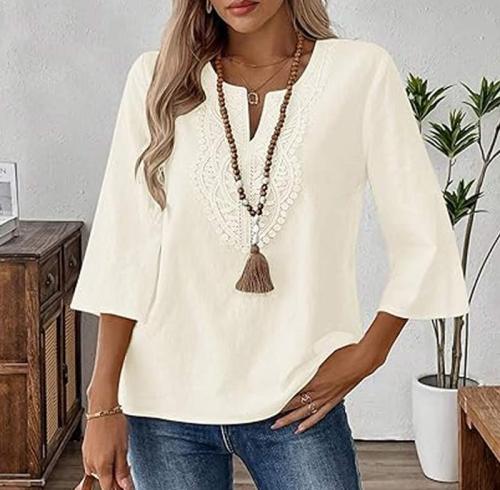
ODM (Original Design Manufacturer) means the factory provides ready-made designs or "stock styles" that you can customize with your brand label, packaging, and minor adjustments. It is an ideal solution for startups or brands seeking to enter the market quickly and cost-effectively.
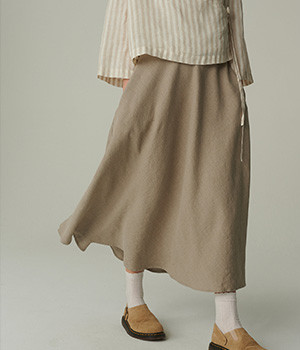
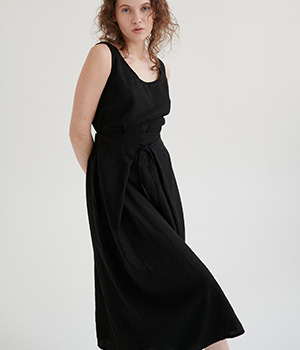
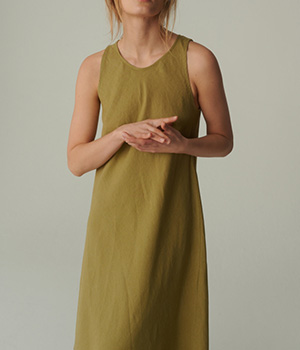
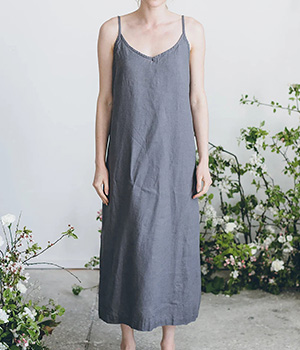
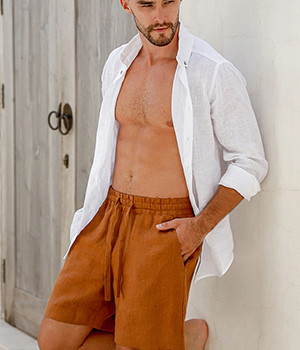
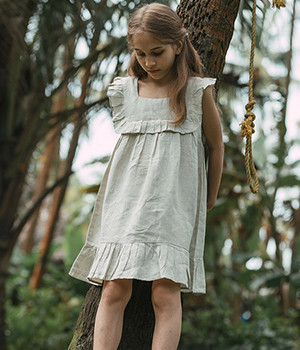
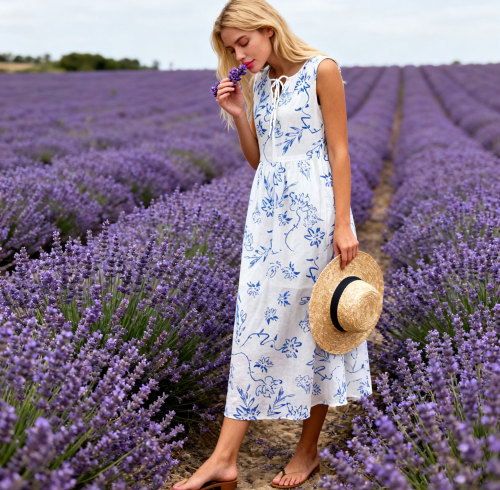
ODM services are particularly valuable for summer linen collections such as casual shirts, flowy dresses, and lightweight blouses. Since the factory has already mastered the pattern making and material sourcing, you can focus on building your brand identity rather than navigating the complex design process. Many brands use ODM as a stepping stone before transitioning to full OEM production for their core items.
For further reading, check out our guide on the Top 10 Linen Clothing Factories in China to see how leading manufacturers support both models.
Hybrid Strategy: Many brands use a hybrid approach, starting with ODM for fast market entry and leveraging customer feedback to develop signature styles that are then produced via OEM. This balances speed with long-term brand building.
Selecting the right manufacturing partner is crucial for the success of your linen clothing business. Evaluate potential factories based on the following critical criteria:
At Linen Clothing Manufacturers, we specialize in providing flexible OEM and ODM solutions tailored to the needs of international brands. Our state-of-the-art facilities and commitment to quality make us the ideal partner for your linen clothing projects.
Q: What is the biggest difference between OEM and ODM in linen production? A: The core difference lies in design ownership. With OEM, the design belongs to you (the brand). With ODM, the factory owns the pre-made design, and you only add your branding. Q: What is the typical MOQ for ODM linen clothing? A: MOQs vary by factory and style, but ODM usually supports smaller orders, often starting at 60 to 150 pieces per style/color, making it much more accessible for new brands. Q: Can I get custom fabric for an ODM order? A: Generally, ODM is for using the factory's existing designs and fabrics. However, many factories offer minor customizations like adding a specific logo embroidery, changing the color, or switching to a different linen blend. Q: How long does it take to produce an OEM linen order? A: OEM production takes longer due to the sampling and tooling phases. You can expect 8 to 12 weeks from design approval to final delivery, compared to 3-6 weeks for ODM. Q: Is linen a good material for summer clothing? A: Absolutely. Linen is highly breathable, moisture-wicking, and has natural temperature-regulating properties, making it the ultimate fabric for warm weather and summer collections.
Linen Clothing Manufacturers offers comprehensive OEM and ODM solutions for brands, startups, and wholesalers worldwide.
OEM vs ODM Linen Clothing Factory: A Complete Guide for 2026
What Is OEM Linen Manufacturing?
What Is ODM Linen Manufacturing?
OEM vs ODM: Key Differences
Aspect
OEM (Original Equipment Manufacturer)
ODM (Original Design Manufacturer)
Design Ownership
Belongs to the Brand - Exclusive and protected
Belongs to the Factory - May be sold to other buyers
Level of Customization
Total - From fabric to silhouette to packaging
Limited - Branding, minor tweaks, and packaging
MOQ (Minimum Order Quantity)
Higher - Typically 200-500+ pieces per style
Lower - Often 60-150 pieces per style
Development Time
Longer - 8-12 weeks for sampling and production
Shorter - 3-6 weeks for production
Cost Efficiency
Higher unit cost due to low MOQ, lower overall investment
Lower unit cost due to high MOU, higher initial inventory risk
Risk Profile
Design risk, high initial tooling cost
Market acceptance risk, less brand exclusivity
Which Manufacturing Model Should You Choose?
Choose OEM If:
Choose ODM If:
How to Choose the Right Linen Clothing Factory
Frequently Asked Questions (FAQ)
Start Your Linen Clothing Project Today