
Minimalist Linen Dress Design Guide | Silhouettes, Fabric Direction & OEM/ODM Tips
Design Guide · Minimalist Collection
Minimalist linen dresses are one of the most commercially durable categories for modern fashion brands because they combine natural texture,
calm visual appeal, and long-term wardrobe relevance. A strong minimalist dress does not rely on excessive decoration. Instead, it depends on
proportion, fabric quality, fit balance, and disciplined construction. This guide explains how to design minimalist linen dresses for modern collections,
which silhouettes and details work best, and how brands can develop a bulk-ready program with repeatable quality and clear brand identity.
Minimalist linen dresses have strong long-term value because they are less dependent on short-cycle fashion trends.
They work especially well for brands focused on natural materials, quiet design, sustainable wardrobes, and elevated everyday dressing.
A good minimalist linen dress feels easy, modern, and intentional. It gives customers something highly wearable, while giving brands
a product category that can stay in the line for multiple seasons with only subtle adjustments. In today’s fast fashion market, consumers are actively shifting toward timeless investment pieces that reduce wardrobe waste, and minimalist linen dresses perfectly align with this slow-fashion movement. Unlike trendy printed dresses or overly embellished styles that fade quickly, clean linen minimalism maintains its visual appeal year after year, creating consistent reorder potential and stable retail performance for online stores, boutique shops, and resort retail partners.
Minimalism in fashion is not about removing everything. It is about keeping only what serves the garment. In linen dresses,
this means choosing shapes, seams, and finishes that feel purposeful. The product should look simple, but it should not look unfinished.
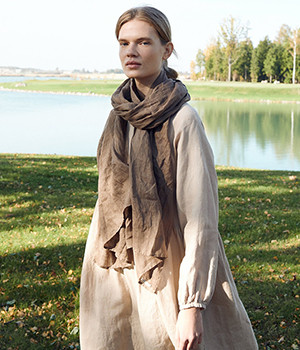
That balance is what separates strong minimalist design from plain design. Every seam, every hem, and every fabric choice must add subtle value to the overall silhouette and wear experience. When designing minimalist linen dresses, designers must resist overcomplicating details and instead focus on refining the foundational structure, fabric drape, and natural movement of the linen material. Pure minimalism celebrates the organic texture of flax fiber, allowing the fabric itself to become the main design feature rather than relying on external decorations like lace, embroidery, or bold prints.
The most successful minimalist linen dresses usually rely on a small number of proven silhouettes. These shapes are commercially strong because
they are easy to wear, easy to photograph, and easy to build into repeatable product programs. The key is to choose silhouettes that feel modern,
but not overly directional. Classic silhouettes ensure your collection remains relevant through seasonal updates, allowing you to refresh colors and fabric finishes without rebuilding your entire pattern library. Each core silhouette should cater to multiple customer preferences, from relaxed everyday wear to elevated resort occasions, maximizing each style’s sales potential across your target audience.
Minimalist design depends heavily on fabric quality because there are fewer decorative elements to distract from poor material choice.
In minimalist linen dresses, the fabric must carry much of the visual value. Weight, drape, opacity, surface character, and finish direction
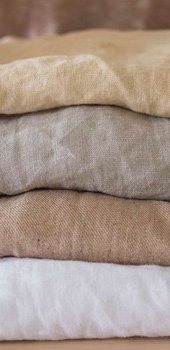
all directly affect whether the dress looks premium or merely plain. For minimalist styles, we recommend standardized fabric weights ranging from 160gsm to 240gsm: lighter weights for summer strap dresses and breathable casual styles, while mid-weight linen delivers stable structure for midi and maxi silhouettes that need to hold their shape on the hanger and during wear. Pre-washed, stone-washed, and enzyme-washed finishes soften raw linen texture, reduce harshness, and create a luxurious lived-in feel customers love.
Minimalist collections usually perform best with calm, restrained palettes. Linen already has visual character through texture,
so the color story does not need to be loud. The strongest minimalist dress ranges combine dependable neutrals with a few soft seasonal tones. Earth-inspired hues complement linen’s natural fiber origin and create cohesive campaign imagery for websites, social media, and lookbooks. Sticking to a narrow curated color range also simplifies inventory management and allows easy mixing and matching across your entire linen clothing collection.
In minimalist dresses, details matter more because they are more visible. Neckline shape, seam placement, hem depth, pocket integration,
and stitching control all influence whether the garment feels deliberate. A minimalist dress should feel calm, but it should never feel careless. Clean internal finishing elevates perceived quality drastically; even hidden seams should be neat, flat, and free of loose threads. Subtle reinforcement at necklines, armholes, and hems ensures durability for repeated wear and washing, an essential feature for investment-level minimalist linen dresses customers keep for years.
Fit is central to minimalist dress design. Because the product is visually quieter, poor proportion becomes more obvious.
The goal is to create ease without losing shape. The best minimalist linen dresses feel relaxed, but they still hold a clear outline
on the body and on the hanger. Professional pattern grading ensures consistent sizing across XS to XL, critical for global e-commerce brands shipping internationally. Strategic ease through the torso prevents tight pulling while maintaining the clean streamlined silhouette minimalism requires. Shoulder slope, armhole depth, and overall length ratios must be tested thoroughly during sampling to avoid awkward visual imbalance.
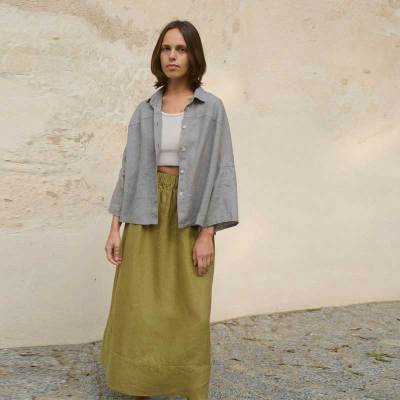
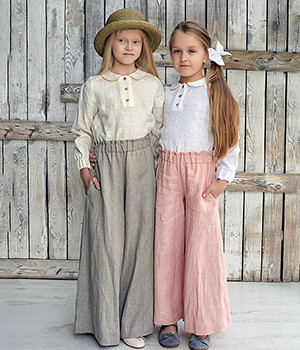
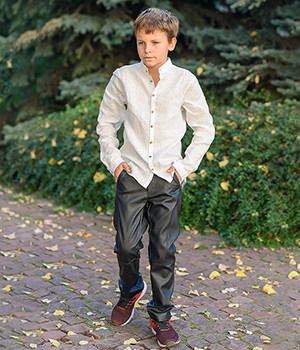
Minimalist linen dresses rarely work as isolated items. Their strongest commercial value appears when brands show them as part of a quiet,
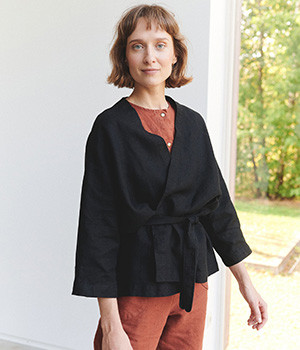
coordinated wardrobe. This includes light layers, calm color stories, and natural-fabric pairings that extend the dress beyond single-outfit use. Creating complete styling sets increases average order value and encourages customers to build full linen wardrobes from your brand. Campaign imagery featuring layered looks also strengthens your brand’s cohesive minimalist identity across social platforms and product listings.
Minimalist brands usually benefit from disciplined product planning. Instead of introducing too many completely new dress styles each season,
it is often better to keep a few strong core silhouettes and refresh them through color, sleeve variation, neckline refinement, or fabric finish.
This keeps development efficient and supports a stronger long-term brand identity. Core styles generate steady evergreen sales year-round, while small seasonal updates keep your collection feeling fresh for new arrivals and seasonal marketing campaigns. This hybrid strategy balances stability and creativity without overloading your production schedule or inventory budget.
Minimalist dresses may appear simple, but they are technically demanding because every detail is more exposed.
Bulk-ready development requires precise fit control, stable finishing, consistent workmanship, and fabric behavior that matches the intended silhouette.
A good sample is only the starting point—the real goal is repeatable quality in production. Every factory production run must match the approved golden sample in fabric weight, color shade, stitching density, and overall drape. Pre-production fabric testing for shrinkage and color fastness prevents mass production defects that ruin large orders for minimalist styles with no extra details to hide imperfections.
As Linen Clothing Manufacturers,
we help brands develop minimalist linen dress programs that rely on strong fabric planning, balanced fit blocks, and consistent workmanship
rather than excessive decoration. Our process supports clean silhouettes, stable finishing, and repeatable production standards so minimalist collections
feel refined, calm, and commercially durable. From initial concept sketches and fabric selection to sample refinement, color matching, and full bulk manufacturing, our team manages every technical detail to protect your minimalist design vision. We specialize in maintaining identical quality across small-batch custom runs and large wholesale orders for global fashion brands.
Build a minimalist dress line with repeatable fit blocks, natural fabric value, and long-term collection relevance.
Share your target market, preferred silhouette direction, fabric feel, color palette, and collection positioning.
We will help map a practical development and production workflow.
A minimalist linen dress uses clear silhouette, balanced proportion, refined construction, and calm color direction
instead of relying on heavy decoration or trend-led details. Premium minimalism prioritizes fabric quality, clean seams, and intentional shape above all extra features.
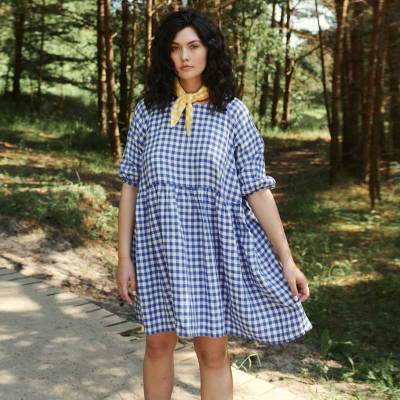
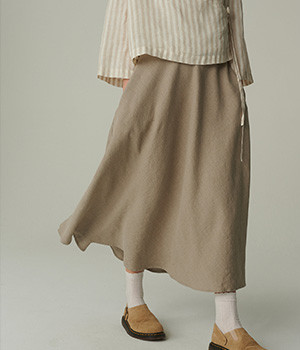
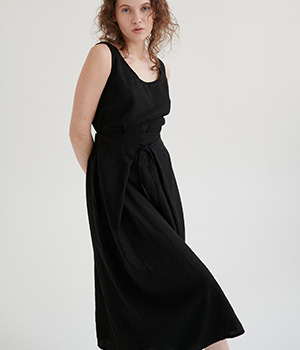
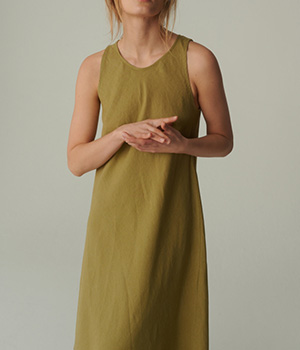
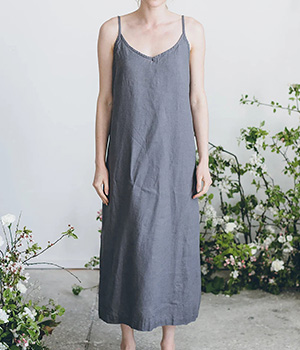
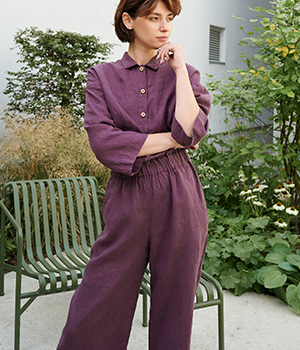
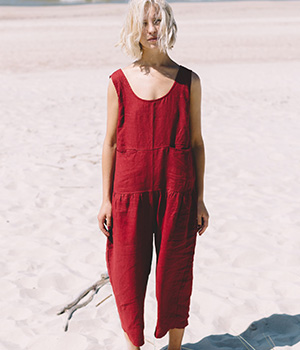
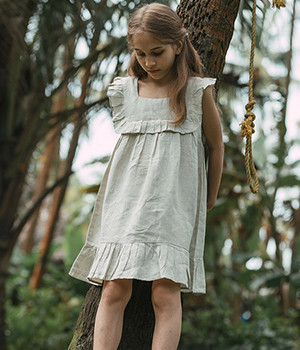
Straight column, soft A-line, shift, and waist-relaxed midi or maxi silhouettes are among the strongest options.
They are easy to wear, visually clean, and commercially stable for long-term retail and e-commerce sales.
Soft white, flax, stone, sand, taupe, black, and muted seasonal shades like sage or dusty blue work especially well.
Minimalist palettes should feel calm and easy to coordinate across your full linen apparel collection.
Prioritize fabric quality, balanced fit, refined seam placement, stable neckline finishing, and controlled silhouette.
In minimalist fashion, premium value comes from restraint and flawless execution of every foundational detail.
Yes. They work especially well when styled with
Custom Linen Shirts,
Custom Linen Blazers,
and Custom Linen Loungewear
in a coordinated natural-fabric wardrobe.
Minimalist Linen Dress Design Guide: Clean Silhouettes, Fabric Direction, Construction Details, and Collection Planning
Why Minimalist Linen Dresses Matter for Modern Brands
Why the category performs well
Core Principles of Minimalist Linen Dress Design
What minimalist linen design should emphasize
What minimalist linen design should avoid
Best Silhouettes for Minimalist Linen Dresses
Silhouette
Why It Works
Best Brand Positioning
Straight column dress
Clean outline, strong modern simplicity, perfect for minimal campaign visuals
Minimalist, premium, city-resort collections
Soft A-line dress
Easy movement with subtle femininity, flattering for most body shapes
Everyday minimalist wardrobes
Shift dress
Low styling friction and broad customer appeal, ideal for casual daily wear
Capsule and essential collections
Waist-relaxed midi/maxi
Easy but refined silhouette with gentle shape, great for long-length minimal looks
Modern lifestyle and sustainable brands
Strap or sleeveless long dress
Clean summer minimalism with strong layering potential for blazers and shirts
Warm-weather and resort-focused brands
Fabric Weight, Texture, and Finish Direction
Fabric priorities for minimalist linen dresses
Color Direction for Minimalist Linen Dress Collections
Core minimalist colors
Seasonal accents that still feel minimalist
Construction Details That Define Minimalist Quality
Construction details that elevate minimalist dresses
Design elements that should stay subtle
Fit Balance: Ease, Shape, and Proportion
Fit priorities for minimalist linen dresses
How Minimalist Linen Dresses Fit Into Full Collections
Strong collection pairings
Product Planning: Core Styles vs Seasonal Updates
A practical minimalist dress structure
OEM/ODM Notes: Developing Bulk-Ready Minimalist Linen Dresses
Bulk-ready development checklist
How We Support Minimalist Linen Dress Programs at Linenwind
What brands typically value in our workflow
Explore the category
Start your OEM/ODM project
FAQs
What makes a linen dress truly minimalist?
Which silhouette is best for minimalist linen dress collections?
What colors work best in minimalist linen dress design?
How can brands make minimalist linen dresses feel premium?
Can minimalist linen dresses be merchandised with other categories?