

Linen vs Cotton for Minimalist Brands | Fabric Comparison Guide
Minimalist Fabric Strategy Guide
Minimalist fashion brands focus on simplicity, longevity, and carefully curated wardrobes.
Choosing the right fabric is therefore one of the most important strategic decisions during collection development.
Two of the most common natural fabrics used by minimalist brands are linen and cotton.
While both materials offer comfort and versatility, linen increasingly stands out due to its sustainability profile,
distinct natural texture, and compatibility with slow fashion principles.
This guide compares linen and cotton to help minimalist brands make informed material choices.
Minimalist fashion is built on the concept of “less but better.”
Instead of producing large volumes of trend-driven garments, minimalist brands focus on quality materials,
clean silhouettes, and versatile pieces that can remain relevant for years.
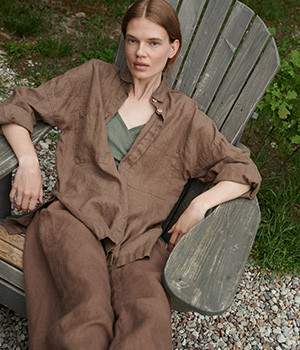
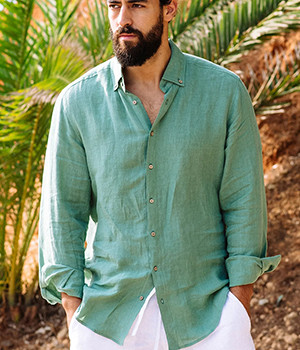
Staple products such as
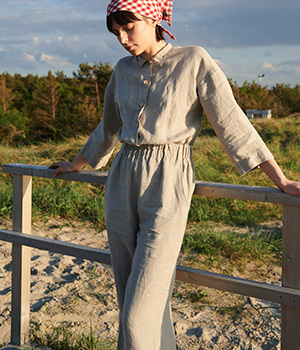
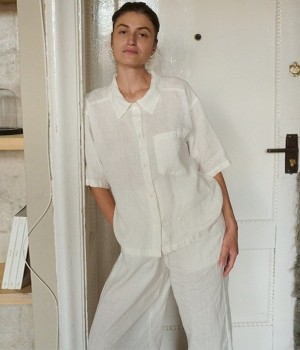
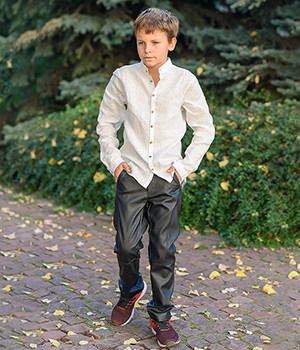
Custom Linen Shirts
are often used as foundation pieces in minimalist wardrobes.
Linen has become increasingly popular among minimalist and slow fashion brands
because it naturally reflects the values of simplicity and sustainability.
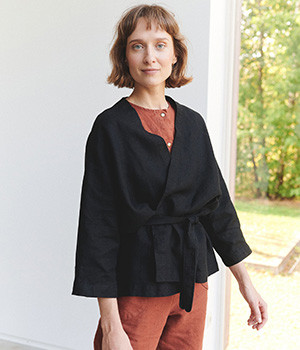
Minimalist brands often integrate structured garments such as
Custom Linen Blazers
to create breathable tailoring options within their collections.
Cotton remains one of the most widely used natural fibers in fashion.
For minimalist brands, cotton offers familiarity and a smoother visual surface.
However, cotton may lack the distinctive texture and sustainability narrative
that many minimalist brands seek today.
From a design perspective, linen and cotton create different visual effects
even when used in similar garment silhouettes.
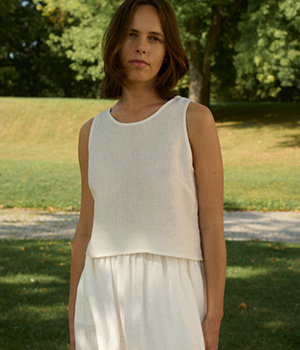
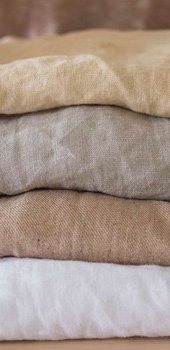
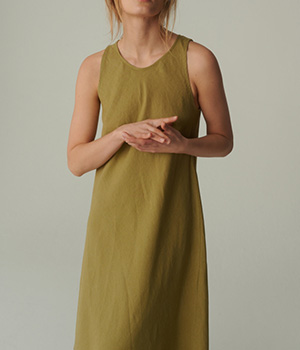
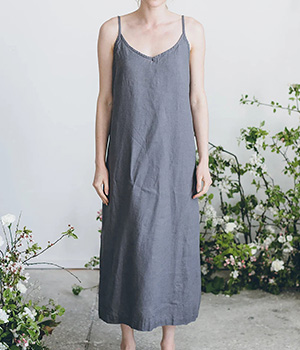
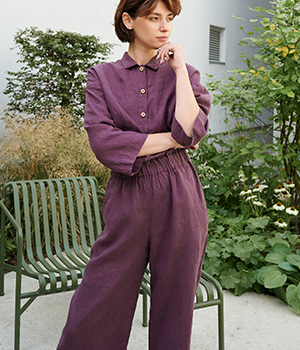
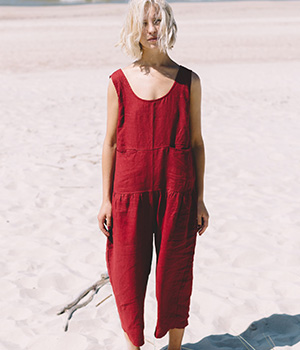
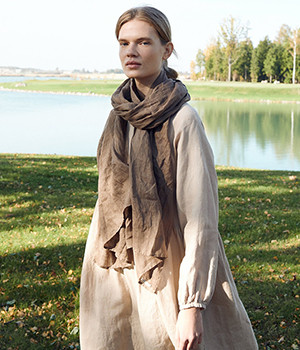
Minimalist designers often prefer linen because its texture enhances neutral palettes
without relying on prints or complex embellishments.
Sustainability has become one of the most influential factors in modern fabric selection.
Linen generally has a stronger environmental profile compared to many conventional cotton fabrics.
Minimalist brands typically build collections around a small number of carefully designed products.
Linen allows designers to expand those core styles across multiple categories.
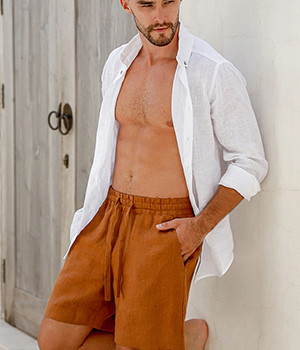
Comfort-driven capsule wardrobes often include garments produced by a
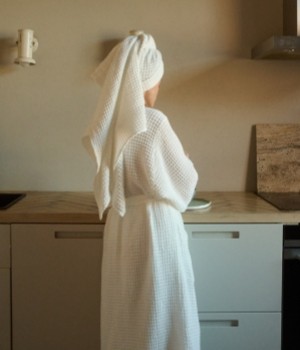
Loungewear Linen Clothing Manufacturer
to support relaxed everyday styling.
Linenwind’s OEM & ODM linen tops solutions
help minimalist brands develop sustainable collections with stable fabric sourcing,
consistent quality control, and flexible production options.
Share your collection ideas and development goals through
Contact Us
to begin sampling and production planning.
Many minimalist brands prefer linen due to its sustainability, durability, and natural texture that enhances simple designs.
Yes, linen wrinkles more easily, but many designers view this as part of its natural aesthetic.
While linen is especially popular in warm climates, heavier linen fabrics can also work for transitional seasons.
Linen vs Cotton for Minimalist Brands
1. Why Fabric Choice Matters for Minimalist Brands
Core priorities of minimalist brands
2. Advantages of Linen for Minimalist Collections
Key advantages of linen
3. Advantages of Cotton in Minimalist Fashion
Benefits of cotton garments
4. Design and Aesthetic Differences
Linen aesthetics
Cotton aesthetics
5. Sustainability Comparison
Sustainability benefits of linen
6. Product Development Strategy
Popular minimalist linen categories
How Linenwind Supports Minimalist Brands
Key advantages for brand partners
Start your minimalist linen project
FAQs
Is linen better than cotton for minimalist brands?
Does linen wrinkle more than cotton?
Can linen be used year-round?