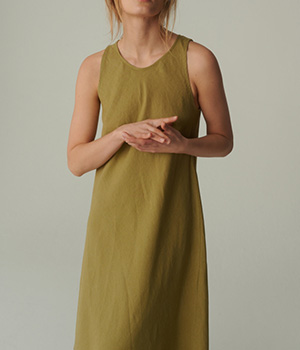
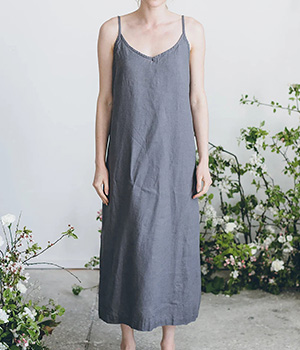
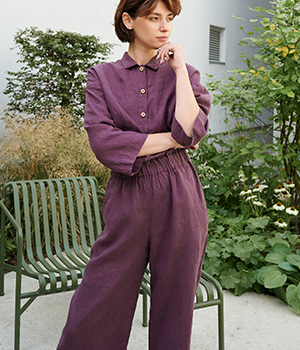
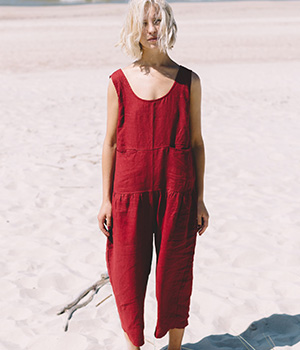
Introduction: Why Linen Rayon Is Becoming a Preferred Summer Fabric
Linen rayon—also known as linen-rayon blend or rayon linen fabric—is becoming increasingly popular among global apparel brands, designers, and textile manufacturers. This blend combines the natural breathability of linen with the silky softness and drape of rayon, creating a fabric that is lightweight, smooth, breathable, and ideal for warm climates.
As consumers continue to seek comfortable, natural-feeling clothing, linen rayon has emerged as one of the most versatile and fashion-forward choices for spring and summer collections. In this complete guide, you'll learn what linen rayon fabric is, its advantages and limitations, the best blend ratios, care methods, and how to choose the right type for your product line.
If you are a brand considering custom linen clothing production, you can also browse: Custom Linen Dresses | Custom Linen Shirts
What Is Linen Rayon Fabric?
Linen rayon fabric is a blended textile made by combining natural linen fibers with regenerated cellulose fibers (rayon/viscose). Rayon is produced from purified plant cellulose and is known for its smooth, soft, and drapey characteristics. When mixed with linen, it creates a fabric that retains a natural texture while becoming significantly softer and more fluid.
Typical Blend Ratios
| Ratio (Linen:Rayon) | Characteristics | Best For |
|---|
| 55:45 | Balanced drape + natural texture, most versatile | Shirts, dresses, pants |
| 30:70 | Very soft, fluid, silky feel, highly drapey | Maxi dresses, skirts, flowing blouses |
| 60:40 | More natural texture, lightweight, breathable | Premium resortwear, lifestyle clothing |
| 35:65 | Lightweight, color-rich, cost-effective | Fast-fashion tops, casualwear |
Linen Rayon vs Linen vs Cotton vs Polyester: Comparison Table
| Property | Linen-Rayon (55:45) | 100% Linen | 100% Cotton | Polyester |
|---|
| Breathability | Good | Excellent | Moderate | Poor |
| Softness | Very soft | Stiff initially | Soft | Smooth |
| Drape | Excellent, fluid | Crisp, structured | Good drape | Good |
| Wrinkle Resistance | Moderate | Low — wrinkles easily | Moderate | Excellent |
| Durability | Moderate (weaker when wet) | Excellent | Good | Very high |
| Moisture Absorption | Good | Excellent | Good | Low |
| Color Vibrancy | Excellent dye uptake | Moderate | Good | Excellent |
| Cost | Mid-range | Higher | Lower | Lowest |
| Eco-Friendliness | Moderate | Highest | Moderate | Low |
| Best For | Dresses, blouses, flowy apparel | Premium apparel, resort wear | Everyday basics | Sportswear, outerwear |
Key Benefits of Linen Rayon Fabric
Linen rayon blends are valued for their comfort-performance balance. Here are the top advantages:
1. Exceptional Softness and Skin Comfort
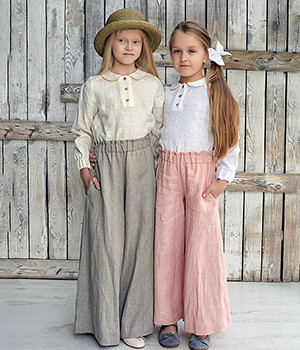
Pure linen can feel stiff or coarse initially, but rayon makes the blend soft from the first wear. This makes linen rayon highly suitable for women's dresses, tops and blouses, sleepwear and loungewear, and children's clothing.
2. Beautiful, Fluid Drape
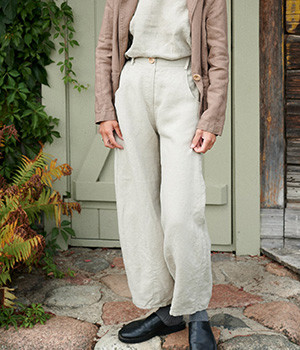
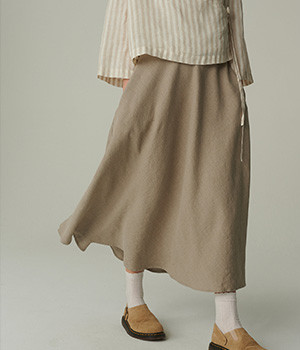
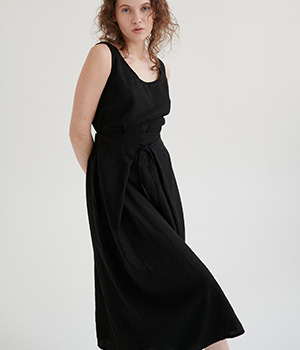
Rayon provides a silky, flowing drape that pure linen often lacks. This gives garments a premium, high-fashion appearance and makes them ideal for A-line dresses, wrap dresses, maxi skirts, and wide-leg trousers.
3. Lightweight and Breathable
Linen fiber's hollow core enhances airflow, while rayon absorbs moisture efficiently. Together, they create a fabric that stays cool and comfortable, even in humid climates. This makes linen-rayon a strong candidate for summer resort collections and tropical market apparel.
4. Less Wrinkling Compared to Pure Linen
One of pure linen's biggest drawbacks is heavy wrinkling. Rayon reduces this dramatically, making linen rayon easier to care for and more visually polished throughout the day.
5. Better Dyeing Ability
Rayon absorbs dyes deeply and evenly, improving color richness. Fashion brands can achieve bright summer tones, jewel tones, smooth ombre effects, and detailed prints.
6. Cost-Effective Alternative to Pure Linen
Pure linen is one of the most expensive natural fibers due to its low-yield cultivation. Mixing rayon lowers overall cost without sacrificing style or comfort. Brands can offer the linen aesthetic at a 15-25% lower fabric cost compared to pure linen.
Drawbacks of Linen Rayon Fabric (And How to Manage Them)
Despite its advantages, linen rayon blends have a few limitations:
1. Reduced Strength When Wet. Rayon loses strength when wet, making it more delicate during washing. Solution: Use gentle wash cycles and avoid twisting or wringing.
2. Slight Shrinkage (3-5%). Unwashed fabrics can shrink after the first wash. Solution: Choose prewashed or preshrunk fabrics for production.
3. Potential Pilling on Low-Quality Rayon. Poor-grade rayon may pill at high-friction points. Solution: Use high-grade viscose or modal rayon from reputable mills.
4. Not as Durable as 100% Linen. If durability is your primary priority, a higher-linen blend or pure linen may be better suited to your product.
Best Applications for Linen Rayon Fabric
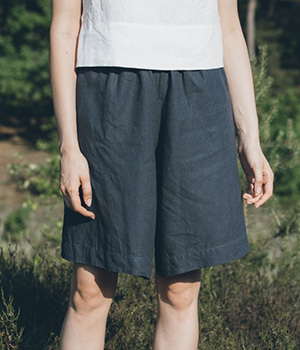
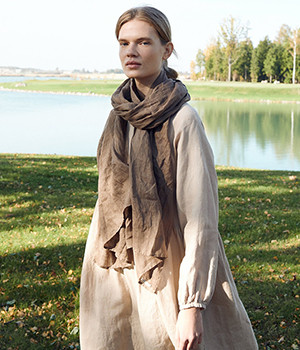
Womenswear. Linen rayon is especially popular in wrap dresses, sundresses, blouses, palazzo pants, tiered skirts, and casual summer outfits. Its drape adds elegance while maintaining breathability.
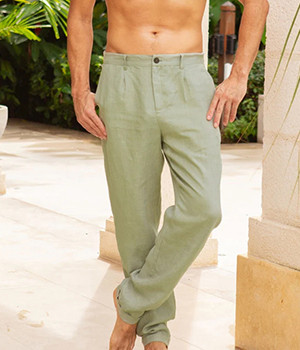
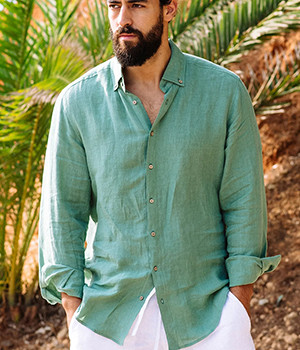
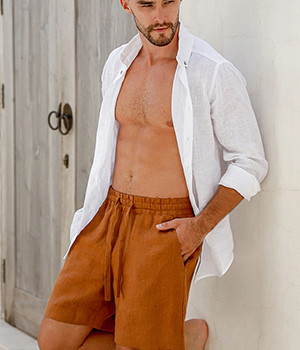
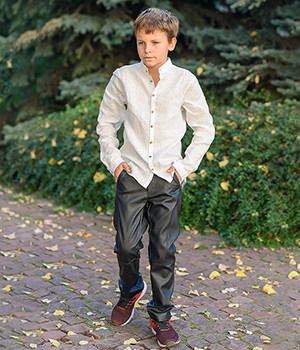
Menswear. Used for relaxed summer shirts, lightweight trousers, and resort or vacation clothing. It provides comfort without stiffness.
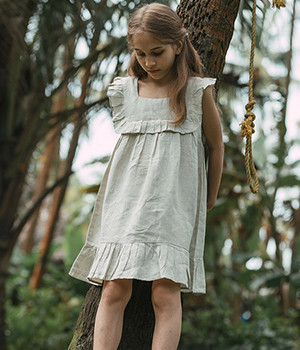
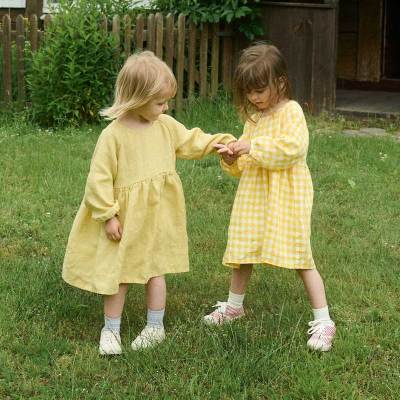
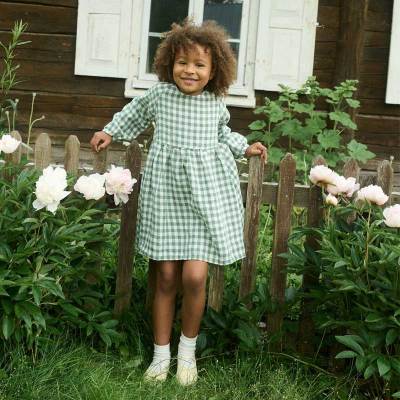
Children's Clothing. Soft, hypoallergenic, and gentle on sensitive skin.
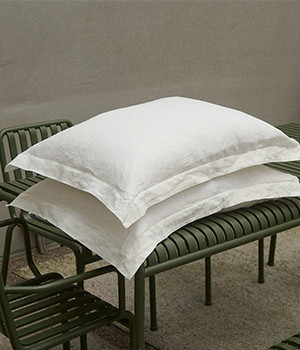
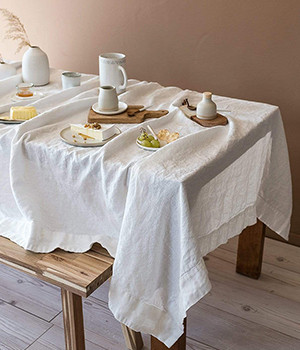
Home Textiles. Curtains (beautiful drape), decorative pillowcases, and table linens.
How to Choose Linen Rayon for Your Apparel Line
- GSM (Fabric Weight). 120-150 GSM for blouses and light dresses. 150-180 GSM for everyday dresses and skirts. 180-230 GSM for pants and light jackets.
- Weave Type. Plain weave for breathable, natural texture. Twill weave for smoother feel and higher durability. Satin weave for luxurious drape and shine.
- Finishing Techniques. Enzyme wash softens hand feel. Stone wash creates a vintage look. Pre-shrunk treatment improves production stability.
- Print and Dye Compatibility. Rayon supports digital printing, reactive dyeing, pigment printing, and all-over prints, giving brands more design freedom.
Care Instructions for Linen Rayon Fabric
To preserve quality and longevity of linen rayon garments:
- Machine wash cold (30°C) on a gentle cycle
- Use mild detergent
- Do not wring or twist
- Lay flat or hang to dry
- Avoid prolonged direct sun exposure
- Iron on low-to-medium heat
- Dry cleaning is optional but recommended for high-rayon dresses
Frequently Asked Questions
Is linen rayon breathable?
Yes. It is breathable and cool, especially suitable for summer wear. The hollow structure of linen fibers and the moisture-wicking properties of rayon work together to keep the body cool.
Does linen rayon wrinkle?
Less than pure linen but slightly more than synthetic fabrics. For brands prioritizing a wrinkle-free appearance, a higher rayon blend (60-70%) reduces creasing further.
Is linen rayon suitable for sensitive skin?
Yes. Both linen and rayon are gentle fibers. Linen rayon blends are soft, hypoallergenic, and non-irritating, making them suitable for people with sensitive skin or allergies.
Does linen rayon shrink?
Slightly (3-5%), unless prewashed or preshrunk. We recommend specifying pre-shrunk fabric for production to minimize dimensional changes after the first wash.
Is linen rayon sustainable?
More sustainable than synthetic fibers like polyester, but less than pure linen. Using certified viscose (such as Lenzing Ecovero) significantly improves the sustainability profile of the blend.
Can Linenwind produce custom garments in linen rayon?
Yes. We source high-quality linen rayon fabrics from certified mills and offer full OEM/ODM services. MOQ starts from 60 pieces per style.
Linenwind: Your Linen Rayon Garment Manufacturer
At Linenwind, we specialize in custom garment manufacturing using a wide range of linen and linen-blend fabrics. We offer low MOQ from 60 pieces, full OEM and ODM services, fabric sourcing and sampling support, 20+ years of linen garment manufacturing experience, and rigorous quality control from fabric to finished product.
Explore our collections: Custom Linen Dresses | Custom Linen Shirts | Custom Linen Loungewear
Get a Quote | Request Samples
Learn More: Complete Linen-Rayon B2B Manufacturing Guide
For sourcing professionals and OEM buyers, our comprehensive Linen-Rayon Blend Fabric B2B Guide covers blend ratios, fabric specifications, weave selection, cost comparison data, and manufacturing best practices in detail.
Read the Full Linen-Rayon Manufacturing Guide →
Explore the Full Linen-Rayon B2B Manufacturing Guide
For sourcing professionals and OEM buyers, our comprehensive Linen-Rayon Blend Fabric B2B Guide covers blend ratios, fabric specifications, weave selection, cost comparison data, and manufacturing best practices in detail.
Read the Full Linen-Rayon Manufacturing Guide