
Linen Fabric Weight Guide for Structured Styles | Choosing the Right Linen GSM
Linen Fabric Weight Guide for Structured Styles
Choosing the correct linen fabric weight is one of the most important factors when designing structured garments. Fabric weight directly influences how a garment holds its shape, how it drapes, and how it performs during production and long-term wear.
Fashion brands developing structured linen pieces such as tailored shirts, blazers, and workwear-inspired garments must carefully select the appropriate linen weight to achieve both durability and design precision.
At Linenwind, we work closely with designers and fashion brands to select the ideal linen fabrics for each garment type. Through our experience developing linen apparel collections, we help brands balance structure, comfort, and long-term garment performance.
Understanding Linen Fabric Weight
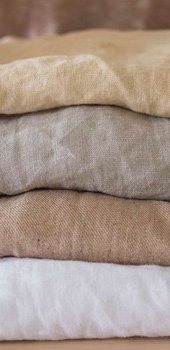
Linen fabric weight is typically measured in grams per square meter (GSM). This measurement indicates how dense and heavy the fabric is. Different GSM levels influence the structure, stiffness, and durability of the finished garment.
In general, linen fabrics can be divided into three main categories:
- Lightweight linen: 120–170 GSM
- Medium-weight linen: 170–220 GSM
- Heavyweight linen: 220–300 GSM
Each weight category serves different garment applications depending on the desired silhouette and structural support.
Lightweight Linen for Soft Structures
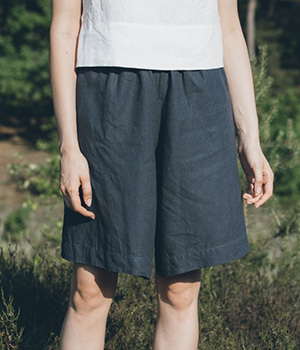
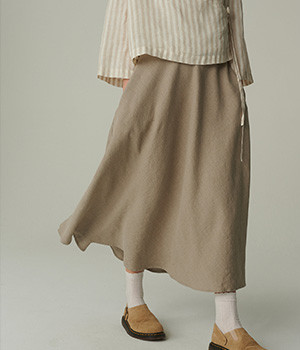
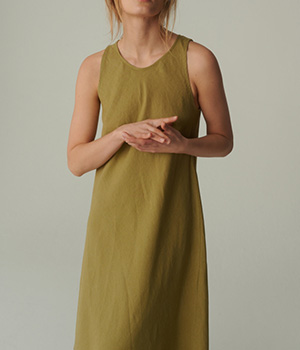
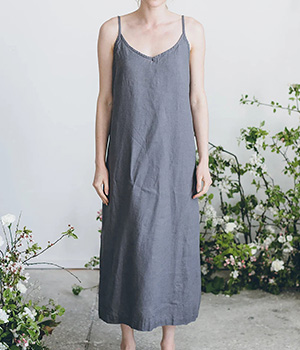
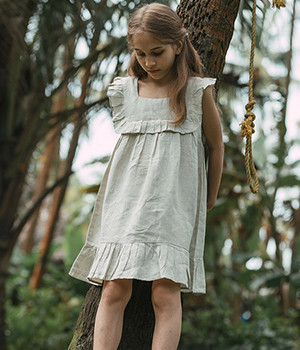
Lightweight linen fabrics are typically used for flowing silhouettes and relaxed garments. These fabrics provide excellent breathability and softness but offer less structural support.
Typical garments made from lightweight linen include:
- Summer dresses
- Relaxed tops
- Beachwear
- Loungewear Linen Clothing Manufacturer collections
While lightweight linen offers comfort and breathability, it is generally not ideal for structured designs that require tailored shapes.
Medium Weight Linen for Balanced Structure
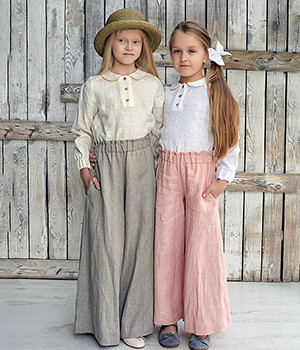
Medium-weight linen fabrics provide a balance between softness and structure. This category is one of the most versatile choices for fashion brands developing modern linen collections.
Medium-weight linen is commonly used for garments such as:
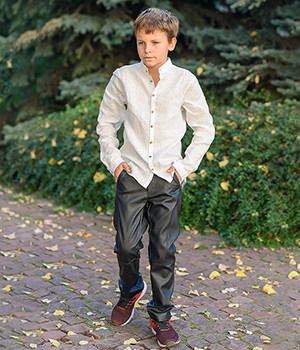
- Tailored shirts
- Button-up tops
- Casual blazers
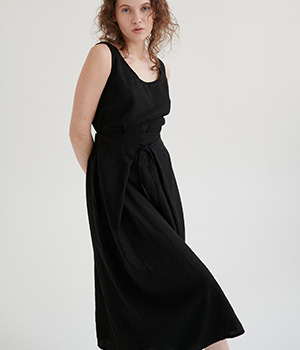
- Structured dresses
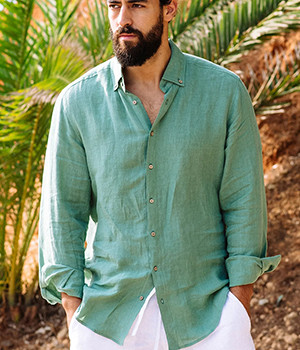
For example, many brands producing tailored shirts rely on fabrics suitable for Custom Linen Shirts because medium-weight linen provides enough body to maintain clean lines while remaining breathable.
Heavyweight Linen for Structured Garments
Heavyweight linen fabrics offer the highest level of structure and durability. These fabrics are ideal for garments that require shape retention, stronger seams, and tailored construction.
Heavyweight linen is often used in garments such as:
- Structured blazers
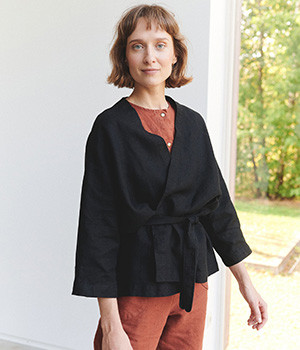
- Tailored jackets
- Workwear-style garments
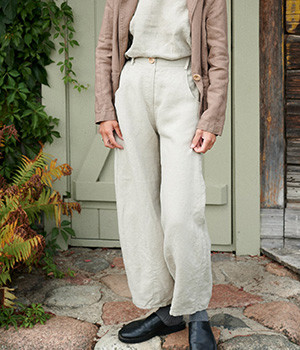
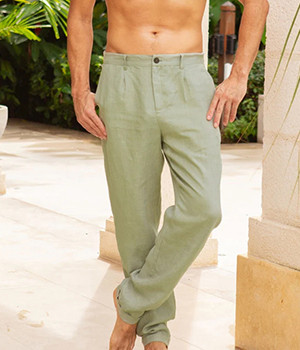
- Structured trousers
Designers developing tailored outerwear pieces frequently choose heavier fabrics when producing garments like Custom Linen Blazers because the additional weight supports structured silhouettes.
Factors to Consider When Selecting Linen Fabric Weight
Garment Structure
Structured garments such as blazers and tailored shirts require heavier linen fabrics to maintain shape and prevent excessive wrinkling.
Seasonal Collections
Spring and summer collections typically use lighter fabrics for breathability, while fall collections may incorporate medium or heavier linen fabrics for added durability.
Fabric Finishing
Stone washing, enzyme washing, and softening processes can affect the final feel of linen fabrics. Some heavier fabrics may become softer after finishing treatments while still retaining structural integrity.
Through professional Linen clothing OEM&ODM development, brands can test different fabric weights during the sampling phase before committing to full production.
How Fabric Weight Influences Garment Performance
Fabric weight not only affects garment appearance but also influences production performance. Heavier fabrics often provide stronger seam durability and improved shape retention, while lighter fabrics offer greater comfort and breathability.
Fashion brands must balance these characteristics depending on the intended garment function and target consumer market.
Working with the Right Linen Manufacturer
Selecting the correct linen fabric weight is easier when brands collaborate with experienced linen clothing manufacturers. Professional manufacturers can recommend appropriate fabrics based on garment design, target market, and seasonal requirements.
At Linenwind, we at Linenwind specialize in custom linen tops and structured linen garments for global fashion brands. Our development team helps clients select fabrics, refine patterns, and produce garments that maintain both aesthetic quality and long-term durability.
Brands interested in developing structured linen garments can Contact Us to discuss fabric options, sampling services, and production planning.
Conclusion
Understanding linen fabric weight is essential for fashion brands developing structured garments. Lightweight linen works best for relaxed silhouettes, medium-weight linen supports versatile everyday garments, and heavyweight linen is ideal for tailored or structured pieces.
By selecting the correct fabric weight and collaborating with experienced manufacturers, brands can create linen garments that combine durability, elegance, and comfort while meeting modern consumer expectations.