

Linen Clothing Manufacturing Cost Guide | Pricing & Cost Breakdown
Full Cost & Budget Guide
Linen Clothing Manufacturing Cost Guide | Complete Pricing Breakdown 2025
Understanding the full pricing structure of linen clothing manufacturing is critical for fashion brands, wholesale buyers, independent designers, startup labels, and cross-border e-commerce sellers. Linen apparel costs vary widely based on fabric grade, craftsmanship complexity, custom requirements, order volume, and finishing processes. This in-depth professional cost guide fully breaks down every core pricing factor, shares clear itemized cost proportions, explains practical ways to control production budgets without sacrificing quality, and teaches you how to select transparent, cost-effective linen manufacturers to optimize profit margins and build a stable long-term sourcing strategy.
How Much Does Standard Linen Clothing Manufacturing Cost?
The overall manufacturing price for custom linen garments in professional Chinese factories normally falls within a clear price spectrum: $8 to $35 per finished piece. This flexible range fully covers basic casual styles, mid-range daily collections, and high-end premium custom linen apparel for global markets.
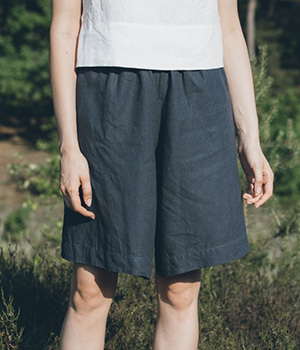
Simple everyday linen items such as basic short-sleeve shirts, casual loose tops, and regular linen shorts usually keep a friendly factory price of around $8–$15 per unit. For sophisticated designs including tailored linen suits, detailed embroidered dresses, multi-layer maxi styles, premium woven details, and high-density pure European linen materials, the production cost naturally rises to $18–$35 or even higher depending on additional custom craftsmanship and branded finishing requirements.
Always remember: the cheapest quotation does not always guarantee stable quality. Reasonable pricing matched with clear material transparency and strict quality control is the key to sustainable bulk cooperation and long-term profit growth for your brand.
Key Core Factors That Affect Linen Clothing Manufacturing Cost
Before comparing supplier quotations, you need to fully understand the major elements that cause price differences in linen production, so you can avoid hidden charges and judge offers professionally:
1. Raw Linen Fabric Quality & Grade
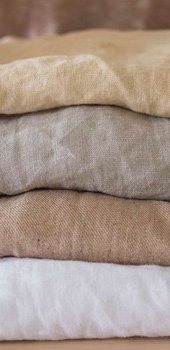
Imported pure European flax fabric with certified eco-friendly standards costs significantly more than common local blended linen. High-count pure linen offers better breathability, softer texture, stable color fastness, and less shrinkage, which directly raises material expenses but greatly improves final product competitiveness.
2. Design & Craftsmanship Complexity
Basic plain-sewn linen tops require simple cutting and assembly with low labor fees. Once styles include multi-panel splicing, hand embroidery, special pleats, hidden zippers, lining layers, custom collars, and irregular silhouettes, working hours increase sharply and push up overall labor costs obviously.
3. Total Order Quantity & Batch Scale
Large bulk orders enjoy obvious economies of scale: fabric purchasing discounts, fixed production setup cost sharing, and streamlined assembly line efficiency all reduce the unit price greatly. Small MOQ trial orders naturally carry higher individual costs due to independent material preparation and separate production scheduling.
4. Custom Dyeing, Washing & Finishing
Standard stock color linen uses mature existing dye batches with low extra fees. If you need exclusive custom color matching, vintage enzyme washing, soft stone washing, anti-wrinkle treatment, reactive eco-dyeing, and special faded texture effects, additional professional finishing procedures will add clear extra charges per piece.
To match cost performance with reliable factory strength, refer to professional verified resources: Top 10 Linen Clothing Factories in China.
Detailed Itemized Cost Breakdown in Linen Clothing Production
The total manufacturing expense of one linen garment consists of several fixed core parts. Understanding this proportion helps you review supplier quotes clearly and negotiate prices reasonably:
| Main Cost Component | Standard Percentage Range | Explanation |
|---|---|---|
| Raw Linen Fabric Material | 40% – 60% | The largest proportion; determined by fabric purity, weight, origin and certification |
| Manual Sewing & Labor Cost | 20% – 30% | Affected by design difficulty, stitching details and skilled worker requirements |
| Accessories (Zippers, Labels, Buttons) | 5% – 10% | Including custom woven labels, metal buttons, hang tags and brand accessories |
| Dyeing, Washing & Garment Finishing | 5% – 10% | Covers color fixing, soft washing, anti-shrink and texture treatment processes |
| Custom Packaging & Outer Packing | 3% – 5% | Individual poly bags, brand inner cards, carton packing and shipping preparation |
Clear Price Range by Popular Linen Garment Category
For quick budget planning, here is the standard factory price reference for mainstream linen apparel styles in China:
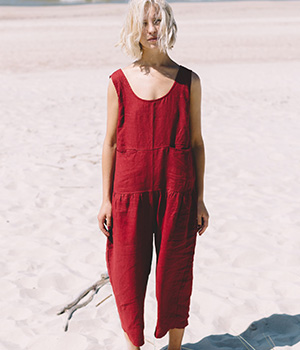
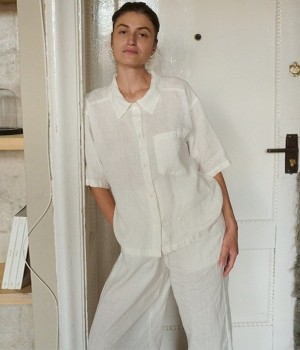
- Basic Linen Shirts & Tops: $8 – $15 / piece (simple solid color, regular cutting, stock fabric)
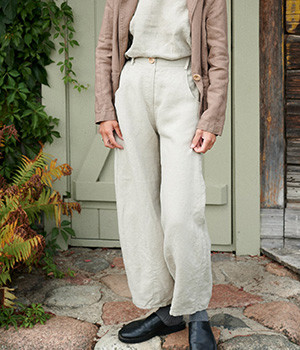
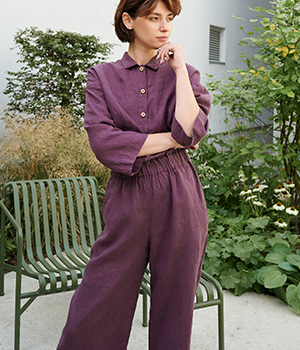
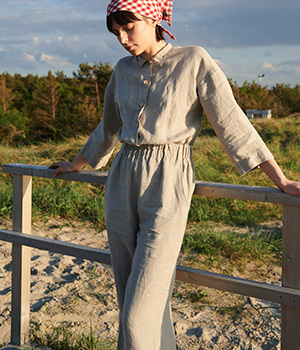
- Linen Pants & Casual Bottoms: $10 – $18 / piece (straight leg, wide leg, conventional waist design)
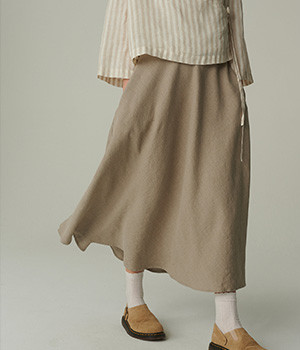
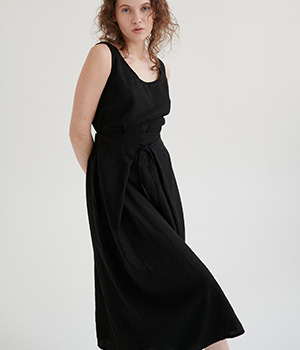
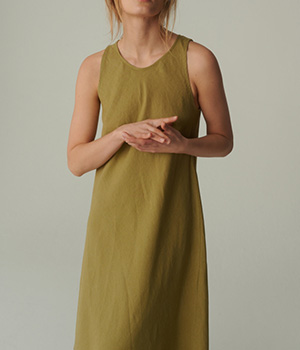
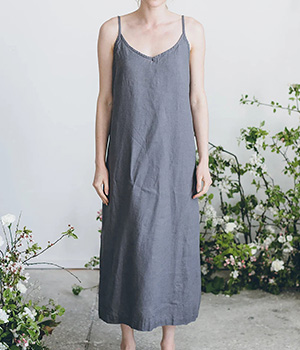
- Regular Linen Dresses: $16 – $25 / piece (plain midi styles, common sleeve designs)
- Premium Embroidered & Layered Linen Dresses: $22 – $35+ / piece (multi-layer, embroidery, special washing effect)
- Linen Suits & Tailored Two-Piece Sets: $28 – $40+ / set (high-grade fabric, precise tailored craftsmanship)
Practical & Smart Ways to Reduce Linen Manufacturing Cost Without Losing Quality
1. Simplify Design Details Reasonably
Reduce unnecessary complex splicing, extra embroidery, hidden lining, and excessive decorative accessories. Keeping classic clean patterns effectively shortens sewing time, lowers labor consumption, and reduces fabric waste during cutting.
2. Increase Main Order Batch Quantity
Expand the total order volume of core hot-selling styles to enjoy bulk fabric discounts and shared production setup fees. Stable repeated large orders also help you obtain long-term exclusive pricing support from factories.
3. Choose In-Stock Standard Linen Fabrics
Priority use mature existing stock fabric colors and regular weights instead of fully customized exclusive material development. Stock fabrics are cheaper, faster in production, and more stable in color consistency across batches.
4. Combine Multiple Styles for Combined Production
Produce several compatible linen styles together in one production cycle to share fabric cutting costs, dyeing batches, and assembly line scheduling, greatly lowering the overall fixed startup expense for your whole collection.
5. Clarify MOQ Rules Before Cooperation
Understand the factory’s minimum order quantity policy clearly to avoid extra small-batch surcharges.
Master MOQ knowledge for better budget control: Linen Clothing Factory MOQ Explained.
How to Choose a Truly Transparent & Cost-Efficient Linen Manufacturer
- Select suppliers with fully itemized transparent pricing, clear material lists and no hidden extra fees
- Prioritize factories with complete in-house weaving, dyeing, sewing and packaging to avoid outsourcing markup costs
- Always verify physical sample quality, fabric touch and workmanship before confirming large bulk orders
- Never chase extremely low quotations blindly; always balance reasonable cost, stable quality and reliable delivery ability
- Cooperate with manufacturers familiar with export standards for EU, US and global retail markets
FAQs About Linen Clothing Manufacturing Cost & Budget
Q1: Why does pure European linen cost much more than ordinary blended linen?
A1: European imported flax features purer natural fiber, better breathability, lower shrinkage rate, elegant texture and strict eco-certification. Premium raw materials raise fabric cost but greatly upgrade product grade and retail selling power for your brand.
Q2: Can I lower the unit price if I repeat orders for the same style?
A2: Yes. Long-term repeated cooperation and stable restock orders allow factories to offer gradual preferential unit prices, since pattern making, sample development and fabric preparation costs can be shared in advance.
Q3: Are custom colors and special washing processes worth the extra cost?
A3: If your brand focuses on unique texture, vintage style and exclusive visual positioning, personalized dyeing and washing effects strongly improve product differentiation and market competitiveness, bringing higher retail profit space in return.
Q4: What is the most practical way for new startups to control linen production budgets?
A4: Start with small MOQ using standard stock fabrics and simple classic styles for market testing; expand order volume step by step after verifying sales feedback to balance risk, cost and profit safely.
Work with a Reliable Transparent Linen Clothing Manufacturer
Linen Clothing Manufacturers provides clear transparent pricing, flexible low MOQ policy, and full professional OEM & ODM custom services for global brands, designers and wholesale buyers.
- ✔ Friendly MOQ starting from 60 pieces per style
- ✔ Premium sustainable European linen fabric options
- ✔ Full custom design, label & private label support
- ✔ Fast sample development & stable standardized production