


How Much Does Linen Clothing Manufacturing Cost? | Pricing Guide
Full Cost Guide
How Much Does Linen Clothing Manufacturing Cost? | Complete Pricing Guide 2025
Understanding the real cost of linen clothing manufacturing is critical for fashion brands, startups, wholesalers, and cross-border e-commerce sellers. Final pricing is determined by fabric grade, design complexity, order volume, customization level, and finishing processes. This professional guide provides clear cost ranges, full pricing breakdowns, key influencing factors, practical cost-reduction strategies, and expert sourcing tips to help you plan budgets, control expenses, and maximize profit margins.
Typical Cost of Linen Clothing Manufacturing in China
Linen clothing production costs in professional Chinese factories range from $8 to $45 per piece, depending on product type, fabric quality, craftsmanship, and order quantity. Below is the accurate and updated price reference for bulk orders:
| Product Type | Basic Standard Quality | Premium European Linen |
|---|---|---|
| Linen Tops / Shirts | $8 – $15 | $16 – $20 |
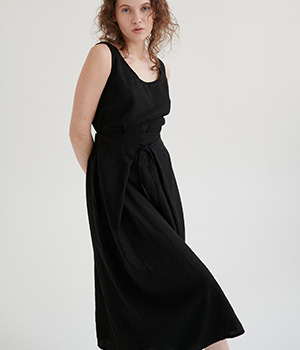
| Linen Dresses | $12 – $22 | $23 – $35 |
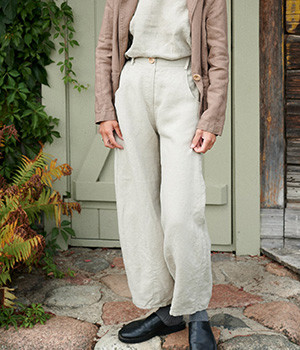
| Linen Pants / Bottoms | $10 – $18 | $19 – $28 |
| Linen Sets (2 Piece) | $18 – $28 | $29 – $45 |
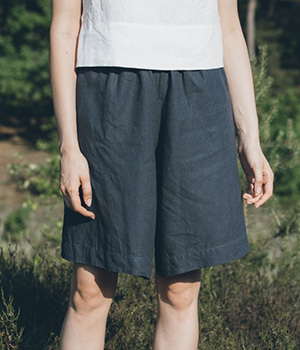
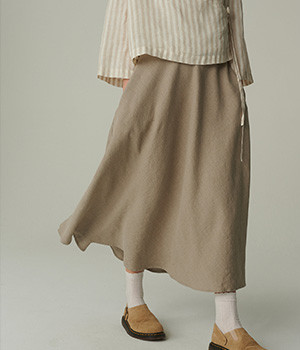
| Linen Shorts / Skirts | $7 – $14 | $15 – $22 |
These prices reflect real factory production costs including fabric, labor, sewing, washing, finishing, and basic packaging. Custom branding, special embroidery, or exclusive packaging will add slight extra costs.

Key Factors That Affect Linen Clothing Manufacturing Cost
Every production detail directly impacts the final price. Understanding these factors helps you negotiate wisely and avoid unexpected expenses:
1. Fabric Quality & Origin
European pure linen is more expensive due to premium fiber, eco-certifications, and soft texture. Fabric weight (GSM), blend ratio, and dyeing method also change material costs significantly.
2. Design & Craft Complexity
Simple styles with basic stitching cost less. Designs with pleats, embroidery, layers, pockets, zippers, lining, or special cuts require more labor and raise production costs.
3. Order Quantity & Scale
Large orders reduce unit price through economies of scale — bulk fabric buying, shared setup costs, and efficient assembly lines. Small MOQ orders have slightly higher per-piece costs.
4. Customization Level
Custom labels, woven tags, embroidery, printed patterns, exclusive colors, and personalized packaging all add extra costs compared to standard ODM production.
5. OEM vs ODM Production
OEM custom design requires pattern making, sample development, and technical preparation, increasing cost. ODM ready-made styles lower expenses using existing templates and materials.
6. Washing & Finishing
Pre-washing, enzyme softening, stone washing, anti-wrinkle treatment, and eco-dyeing improve quality but add processing costs to finished linen garments.
Full Cost Breakdown of Linen Clothing Manufacturing
Knowing the exact cost composition helps you analyze quotations and control budgets effectively. Here is the standard industry cost structure:
- Fabric Cost: 40% – 60% (the largest expense, determined by material grade)
- Labor & Sewing Cost: 20% – 30% (depends on design difficulty and workmanship)
- Trims & Accessories: 5% – 10% (buttons, zippers, labels, threads, and accessories)
- Washing & Finishing: 5% – 10% (pre-shrinking, soft washing, color fixing)
- Packaging Cost: 3% – 8% (poly bags, brand cards, cartons, and shipping packing)
- Management & Logistics: 2% – 5% (factory overhead, quality control, and internal transport)
Fabric remains the biggest cost driver because natural linen fiber is more expensive than synthetic materials, and high-grade linen requires strict sourcing and processing standards.
How to Reduce Linen Clothing Manufacturing Costs Wisely
You can lower production expenses without sacrificing quality using these practical, industry-proven strategies:
1. Increase Order Volume for Bulk Discounts
Larger orders significantly reduce unit cost by sharing fixed expenses and unlocking fabric wholesale discounts. Stable reorders help you get better long-term pricing.
2. Simplify Design Details
Avoid unnecessary complex structures, excessive embroidery, and extra layers. Clean classic designs reduce labor time, material waste, and overall production cost.
3. Choose ODM Ready-Made Styles
ODM production uses existing patterns and stock fabrics, eliminating custom development fees and lowering total cost compared to full OEM design services.
4. Use Stock Fabrics & Standard Colors
Factory stock linen fabrics are cheaper and faster than custom-dyed materials. Standard color options reduce dyeing costs and speed up production.
5. Optimize Size & Color Mix
Focus on core best-selling sizes and 2–3 main colors to reduce material variety, simplify production, and cut unnecessary costs.
For professional factory selection guidance: How to choose a reliable linen clothing factory.
Professional Buyer Tips for Cost Optimization
- Always request detailed, itemized quotations from suppliers to avoid hidden costs
- Test real fabric samples and workmanship before placing bulk production orders
- Compare 3–5 factories to balance price, quality, MOQ, and service level
- Build long-term partnerships for exclusive discounts, priority production, and better support
- Plan orders in advance to avoid rush fees and peak-season price increases
- Confirm all cost details (samples, shipping, revisions) in written form

FAQs About Linen Clothing Manufacturing Cost
Q1: Why is pure linen more expensive than blended linen?
A1: Pure linen uses 100% natural flax fiber with better breathability, durability, and comfort. Blended fabrics mix linen with cheaper synthetic materials, lowering material cost but reducing quality.
Q2: Does low MOQ increase per-piece cost?
A2: Slightly. Small-batch production has higher setup and material preparation costs, but professional flexible factories like Linenwind keep pricing reasonable for startup-friendly MOQ.
Q3: Can I get a lower price with basic customization?
A3: Yes. Simple private label services (standard labels and tags) cost much less than full custom design, helping you balance brand identity and budget.
Q4: What is the most cost-effective linen product for new brands?
A4: Basic linen tops, shorts, and simple pants are the most affordable, easy to produce, and perfect for market testing with low investment risk.
Q5: Do washing and finishing add real value to the final cost?
A5: Absolutely. Proper washing ensures softness, reduces shrinkage, and improves customer experience — a necessary investment for high-quality competitive linen apparel.
Get a Transparent Cost Estimate for Your Linen Collection
Linenwind provides clear, honest pricing, flexible low MOQ, and full OEM & ODM custom linen clothing manufacturing for global brands.
- ✔ MOQ from 60 pcs per style
- ✔ Transparent itemized cost quotations
- ✔ Premium sustainable European linen options
- ✔ Fast sampling & stable bulk production