












European Linen vs Regular Linen: What Fashion Brands Need to Know
Understand the real difference between European linen and regular linen, and learn how to choose the right fabric strategy for your fashion brand, pricing model, and production plan.
Table of Contents
What Is European Linen?
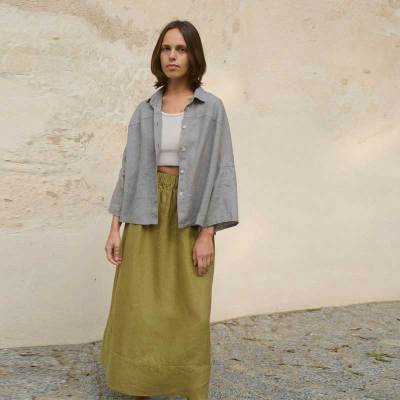
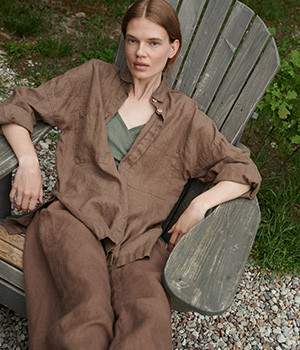
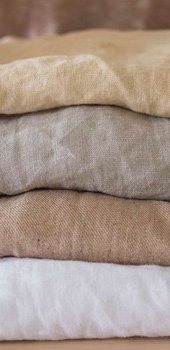
European linen refers to linen made from flax grown in Western Europe, particularly France, Belgium, and the Netherlands. It is widely considered the premium standard in the global textile industry.
If you want a deeper understanding, you can read 👉 What is 100% European Linen?
European linen is known for:
- Longer and stronger fiber structure
- Better softness after washing
- Higher consistency in quality
- Strong sustainability positioning
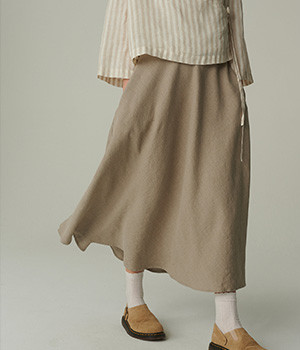
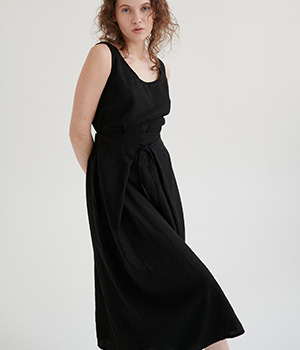
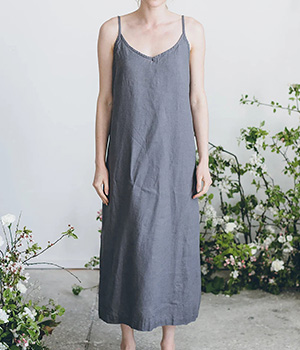
That is why many brands exploring European linen clothing manufacturers are aiming for premium market positioning.
What Is Regular Linen?
Regular linen refers to linen produced outside of Europe, typically in regions such as China or other parts of Asia. While it may not always match the consistency of European flax, modern textile technology has significantly improved its quality.
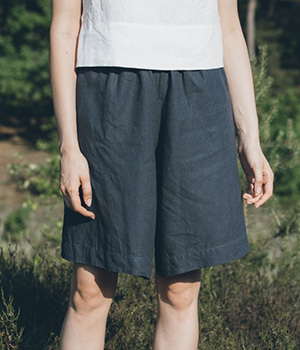
Today, many manufacturers can produce high-quality linen garments suitable for both mid-range and premium brands, depending on processing and finishing.
This is why many brands combine fabric sourcing and production strategy instead of relying on a single region.
Key Differences Between European Linen and Regular Linen
European Linen
- Premium fiber quality
- Stronger brand storytelling
- Higher cost
- More consistent finish
Regular Linen
- More flexible pricing
- Better scalability
- Faster production options
- Wide range of quality levels
For more insights on why European linen is considered premium, see 👉 Why is European linen the best?
Which Is Better for Your Fashion Brand?
The answer depends on your positioning.
- Luxury / Designer Brands → European linen is often preferred
- Mid-market brands → Mixed sourcing strategy works best
- Startups / DTC brands → Flexibility matters more than origin
If you are comparing sourcing strategies, also read 👉 European linen clothing manufacturers vs Chinese manufacturers
Is European Linen Worth the Higher Cost?
European linen is more expensive, but the value depends on how you use it.
Brands that benefit most:
- High-end boutique labels
- Sustainable fashion brands
- Premium resortwear collections
However, if your goal is scalability, inventory control, and faster turnaround, alternative production models may be more suitable.
👉 See full analysis: Is European linen worth the cost for fashion brands?
Best Strategy: Combine European Fabric + Flexible Manufacturing
At Linenwind, we often recommend a hybrid approach.
This means:
- Use European-origin linen when needed
- Manufacture in a flexible production system
- Control MOQ and cost
- Maintain premium positioning
We support:
- Low MOQ from 60 pcs
- Full OEM & ODM services
- Private label production
You can explore our product categories:
Want premium linen quality with better flexibility?
We help brands combine European-quality linen with scalable manufacturing. 👉 Contact us to start your project

FAQ
Is European linen always better?
Not always. It depends on your brand positioning and price point.
Can regular linen achieve premium quality?
Yes, with proper finishing and manufacturing control.
What is the best option for startups?
Flexible production with controlled MOQ is usually more important than origin.
Final Thoughts
European linen represents premium quality, but modern brands need more than just fabric origin. They need flexibility, speed, and scalable production.
If you are building a linen collection, the smartest strategy is not choosing one over the other, but combining the strengths of both.