











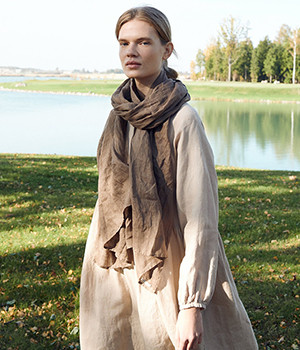

Designing for Fewer Returns: Fit, Photography and Size Information in Linen
Designing for Fewer Returns: Fit, Photography and Size Information in Linen
Most linen returns are decided before the garment is ever cut. They come from four predictable gaps — a fit that was never tested on a real body at bulk, a fabric sold as opaque when it is not, a photograph that flatters the drape and hides the sheerness, and a product page that gives the customer body measurements when what she needs are garment measurements. Fix those four and the return rate on a linen programme drops for reasons that have nothing to do with discounting, free shipping or a more generous policy.
Returns are usually treated as a customer service cost. On linen they are better understood as a specification failure with a measurable cause. A brand that knows which styles come back, in which sizes, with which complaint, can trace each pattern to a decision made months earlier: an ease allowance copied from a cotton block, a 120 GSM white that was never lined, a model shot in backlight, a size chart that listed bust and waist but not the armhole the customer was actually struggling with.
This guide works through the causes in the order they cost money, then sets out what to change in the pattern room, in the studio and in the product copy. It assumes the basics covered in our guide to linen sizing for global markets, where the US, EU, UK and Asian size charts are compared, and it stays deliberately narrow: this is about reducing returns, not about building a size system from scratch.
The Short Answer Before the Detail
Returns in linen reduce when four things happen in the right order.
First, the fit is proven on bodies, not on a form. A graded pattern can look correct on a mannequin and still produce a dress that pulls across the bust in a size that should fit. The sample room has to test the garment sitting, reaching and walking, in at least two sizes either side of the base, before bulk is released.
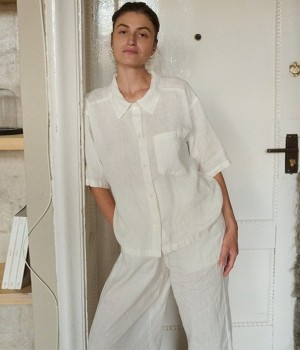
Second, opacity is specified like a measurement. Linen at 120 GSM in white is not the same product as linen at 120 GSM in indigo. If the fabric is below roughly 140 GSM and the colour is pale, the garment needs a lining, a double layer at the bodice and skirt, or honest copy that says it is semi-sheer and should be worn over something.
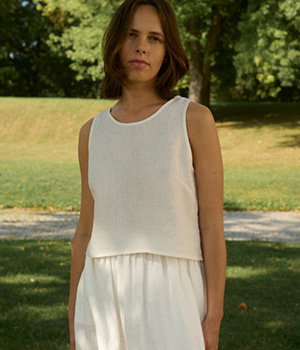
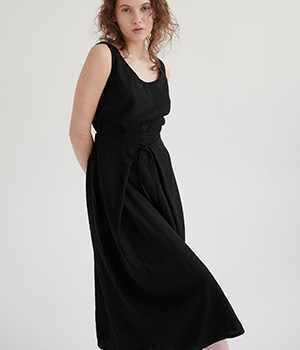
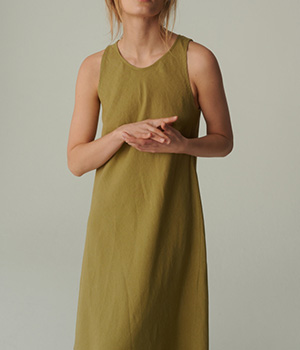
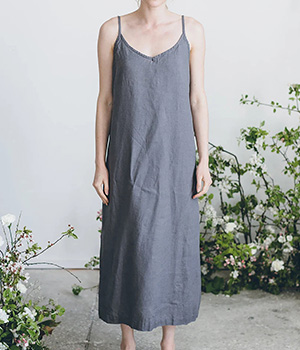
Third, the photography shows the garment under the same light the customer will live in. Backlit studio shots make linen glow and disappear the weave. Daylight shots, a moving clip and one flat-lay with a tape measure in frame do more to prevent a return than any additional angle that flatters.
Fourth, the product page publishes garment measurements, not just body measurements. The customer does not know her bust measurement to the centimetre, but she knows which shirt in her wardrobe fits. Give her the flat measurements of the garment, the model's height and the size she is wearing, and the gap between expectation and delivery closes.
Return Drivers in Linen, Ranked by Recoverable Margin
Not every return is worth fixing. A return caused by a customer ordering two sizes intending to keep one is a policy question. A return caused by a garment that shrank after washing is a specification question, and every one of those is recoverable. The table below orders the drivers by how much of the loss a factory-side or page-side change can actually recover.
| Return driver | Typical customer wording | Where the cause sits | Recoverable by |
|---|---|---|---|
| Fit at bust, armhole or shoulder | Too tight across the chest, the armhole cuts in | Pattern block and ease allowance | Fit testing across sizes, revised ease, honest model measurements |
| Opacity | See-through in daylight, needs a slip | Fabric weight, colour and lining decision | Lining spec, minimum GSM by colour, explicit opacity copy |
| Shrinkage after first wash | Shrank a full size, now too short | Pre-shrinking and wash instruction | Garment wash or pre-shrunk fabric, published care method |
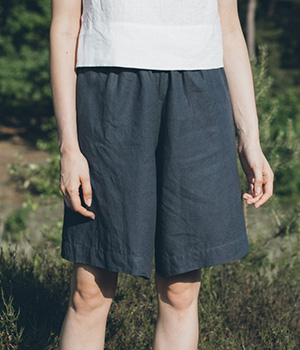
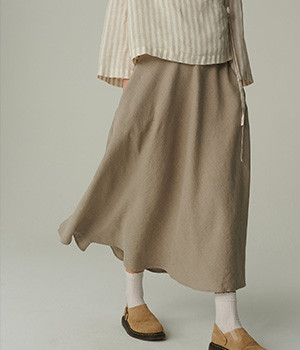
| Length | Shorter or longer than the photo suggested | Model height and garment length not disclosed | Flat length measurement and model height in every listing |
| Colour expectation | Different from the screen, more yellow or more grey | Dye lot variation and studio lighting | Daylight reference shots, per-colour sample archive |
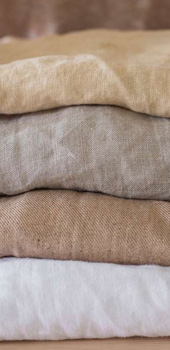
| Hand-feel | Rougher or stiffer than expected | GSM, yarn and wash finish | Describe the finish, offer the washed version, keep swatches accurate |
| Ordered multiple sizes | Kept one, returned the rest | Customer behaviour and sizing uncertainty | Better size information reduces the behaviour at source |
The ordering matters because it tells a brand where to spend the next sampling budget. A programme losing most of its returns to fit needs pattern work and another fitting round, which costs 7-12 days and a sample fee that is refunded against the order. A programme losing most of its returns to opacity needs a fabric and lining decision, which costs money per unit but is decided once. A programme losing to "ordered two sizes" needs only better information, which costs nothing but a morning of measurement.
There is a second-order effect that brands often miss: the return driver changes with the season. Summer programmes return on opacity because pale colours sell in light weights. Autumn programmes return on shrinkage because customers wash heavier garments less carefully and expect them to behave like cotton. A single return report covering a full year averages those two patterns into a number that describes neither.
Fit Signals: The Four Numbers That Prevent "Runs Small"
Almost every fit complaint in linen can be traced to one of four numbers, and all four can be published without revealing anything a competitor could copy.
Chest or bust, measured flat
Give the garment's own measurement across the chest, seam to seam, laid flat and buttoned or zipped. Customers compare this to a garment they already own far more reliably than they compare a body measurement to a size label. Linen has little stretch, so the flat measurement is unusually honest: a 55 cm chest on a size M is a 55 cm chest, and it will not give.
Body length from a fixed point
State where the measurement starts — high point of shoulder, centre back neck, or waistband — and give the finished length. Length complaints are the most common returns driver on midi dresses and the cheapest to prevent, because the customer is not guessing about her body, only about the garment.
Armhole and sleeve
Sleeveless linen dresses and boxy shirts return on armhole depth more than on any other dimension. A deep armhole looks relaxed on a model with a straight torso and gapes on a customer with a fuller bust. Publishing the armhole circumference, or at minimum the armhole depth from shoulder, gives the customer the one number she cannot estimate from a photograph.
Ease, described in words
Numbers alone do not tell a customer whether a shirt is meant to be worn close or oversized. Pair the measurements with one sentence of intent: "cut with 12 cm of ease at the chest; size down for a closer fit." That sentence does more work than a fit guide, because it removes the ambiguity the customer is actually stuck on.
- Test the pattern in three sizes, not one. A base size that fits says nothing about the grade. The size either side is where the complaints live.
- Test on a body that moves. Sitting, reaching forward and raising both arms will expose an armhole or a back width problem that a standing fitting misses.
- Keep the fitting record. Note which adjustment was made and why, so the next season's block does not reintroduce the same fault.
- Photograph the fit, not just the garment. A short clip of the model walking and turning communicates drape and ease better than six stills.
The mechanics of running that fitting properly are set out in our 12-point checklist for fit testing a linen sample, which covers the points to check and the order to check them in. What matters here is the link to returns: every point on that list that is skipped becomes a return reason later, and the cost of fixing it after bulk is roughly the cost of the garment plus the freight in both directions.
Opacity and Weight: Why GSM Is Not a Transparency Scale
Buyers often treat GSM as a proxy for coverage. It is not. Opacity in linen depends on fabric weight, yarn count, weave density, colour and the light the garment is worn in, and two fabrics at the same weight can differ visibly in how much they reveal.
| Weight band | Typical use | Opacity in pale colours | What to specify |
|---|---|---|---|
| 100-130 GSM | Summer dresses, tops, scarves | Usually semi-sheer in white, ivory and pale sand | Lining at bodice and skirt, or a double-layer panel |
| 130-160 GSM | Shirts, blouses, light trousers | Borderline in white, acceptable in mid and dark tones | Test in daylight before confirming the colour range |
| 160-190 GSM | Dresses with structure, wide trousers | Generally opaque in all but the lightest ivory | No lining unless the style is unlined by design |
| 190-230 GSM | Outer shirts, jackets, skirts | Opaque | Watch drape: heavier cloth reads stiffer |
| 230-260 GSM | Jackets, structured pieces, home textiles | Opaque | Construction must carry the weight; not a shirting cloth |
The practical rule we give brands is to decide the lining at the fabric selection stage, not at the sample stage. A white dress in 120 GSM linen needs either a cotton voile lining or a double-layer bodice, and both change the fabric consumption per unit, the labour content and the price. Discovering that after the photo shoot is expensive, because the shoot has to be redone and the delivery date has already been promised.
Copy matters as much as construction. If a garment is semi-sheer by design, say so, and show it. A product page that states "unlined, semi-sheer in daylight, styled over a slip" converts slightly worse and returns far less, which is a better trade than the reverse. The same logic applies to colour: deep indigo at 150 GSM behaves differently from ivory at 150 GSM, and one photograph of the ivory held against a window will settle the question for the customer faster than any description.
Photography That Tells the Truth
Most linen photography is designed to make the fabric look expensive, which is not the same as making it look accurate. The three techniques that produce the prettiest images are also the three that generate the most returns.
Backlight. Shooting into a window makes linen glow and shows the weave, but it also makes a semi-sheer garment look opaque and hides the colour's true value. Keep one backlit image if it sells the mood, and pair it with a daylight image shot with the light behind the camera.
Clips and pins. A garment clipped at the back to fit a model reads as a closer fit than the customer will experience. If the sample is a size larger than the model wears, say so, or shoot the correct size.
Steam and gravity. Freshly steamed linen has a crispness that disappears after one wear. A slightly relaxed shot, taken after the garment has hung for an hour, represents the product more honestly than a shot taken straight off the steamer.
- Shoot each colour in daylight, not under mixed studio light. Keep one reference garment per colour so successive seasons match.
- Include one flat-lay with a tape measure visible. It signals measurement literacy and reduces the number of customers who guess.
- Include one short clip of movement. Walking, turning and sitting show drape and opacity in a way stills cannot.
- State model height and the size worn in the caption. Two numbers that prevent a large share of length complaints.
- Photograph the inside where it matters. A lining, a French seam or a bound armhole is a quality signal and a fit signal at once.
The studio decision also has a cost dimension. A reshoot costs a day of studio time and a sample set; a return costs the outbound freight, the return freight, the handling and, in most channels, the loss of the customer. Once a brand has measured its return rate by reason, the shoot budget tends to move quickly from "more angles" to "more honest angles".
The Product Page as a Specification Document
The product page is the only place where the factory's specification reaches the customer. If it is written as marketing copy, the specification is lost and the customer guesses. The fields below are the ones that consistently move return rates.
| Field | What to publish | Why it reduces returns |
|---|---|---|
| Composition | Exact blend, for example 100% linen or 55% linen / 45% cotton | Sets care and shrinkage expectations before purchase |
| Weight | GSM of the finished fabric | Communicates hand-feel and warmth to an informed buyer |
| Garment measurements | Flat chest, length, sleeve, armhole per size | Lets the customer compare with a garment she owns |
| Model reference | Height, size worn, and whether it was clipped | Removes the main source of length and fit misjudgement |
| Opacity | Opaque, semi-sheer or sheer, by colour if it differs | Prevents the daylight surprise return |
| Shrinkage | Expected 3-7% on first wash for non pre-shrunk linen | Turns a complaint into an accepted characteristic |
| Care | Wash temperature, drying method, iron guidance | Prevents the "it changed after one wash" return |
| Fit intent | Relaxed, oversized, true to size, with ease in cm | Answers the size-up or size-down question directly |
Two of these fields deserve emphasis. Shrinkage is the field most often omitted and most often complained about: linen that has not been pre-shrunk will move 3-7% on the first wash, and a customer who is told this in advance treats it as the nature of the fibre rather than a defect. Our production note on pre-shrunk and garment-washed linen explains the two routes a factory can take and what each one costs, which is useful when deciding whether to publish the number or eliminate it.
Fit intent is the field most often written badly. "True to size" is meaningless on an oversized linen shirt; "cut with 14 cm of ease at the chest, take your usual size for the intended oversized look" is not. The second version takes fifteen seconds to write and prevents the customer from ordering two sizes to find out.
Wash Behaviour and the "It Changed After One Wash" Return
The post-wash return is the most frustrating category for both sides, because the garment is not faulty and the customer is not wrong. Linen relaxes, softens and shrinks slightly in the first wash, and none of that is visible at the point of sale unless the brand says so.
There are two ways to manage it. The first is to eliminate the variable: specify pre-shrunk or garment-washed fabric, accept the additional cost per unit, and sell the garment as wash-and-wear. The second is to disclose it: state the expected 3-7% first-wash movement, recommend a cold wash and line dry, and describe how the garment will soften. Both work. What does not work is to leave the customer to discover it.
Care labelling is part of the same decision. The label has to match the page, and both have to match what the fabric can actually take. A garment labelled machine wash warm that is expected to shrink will produce returns in every market where customers read labels, which is most of them. The compliance side of that labelling is covered in our guide to label sizing and legal requirements for linen sold in the US, EU and UK; the commercial side is simpler: a correct label is cheaper than a return.
The Pre-Production Return Audit
Before a style goes to bulk, run this audit. It takes an afternoon and it uses the sample that already exists.
- Weigh the fabric and record the GSM. Confirm the delivered fabric matches the specification, not the swatch book.
- Hold the fabric over printed text in daylight. Record opaque, borderline or sheer, per colour.
- Measure the sample flat at chest, length, sleeve and armhole. Record the numbers that will be published.
- Fit the sample on two body types in the base size and one size either side. Note the adjustments made.
- Wash one sample following the intended care instruction. Measure again and record the movement.
- Photograph the washed sample next to the unwashed one. This single image answers most pre-purchase questions.
- Write the fit intent sentence and the opacity sentence. If either cannot be written confidently, the style is not ready.
- Check that the page, the label and the factory specification agree. Any disagreement becomes a return or a dispute.
The audit also produces the evidence a brand needs if a dispute arises later. Bulk measurement variation is judged against tolerances rather than absolutes, and knowing what the approved sample measured is what makes that judgement possible. The framework for that is set out in our explanation of measurement tolerance in bulk linen under AQL 2.5, which is worth reading before the first inspection rather than after it.
What to Fix at the Factory, in the Studio and in Copy
The final discipline is to assign each fix to the party that can actually make it. Return reduction fails when everything is treated as a marketing problem.
| Fix | Owner | Lead time | Cost profile |
|---|---|---|---|
| Ease and armhole correction | Pattern room and factory | One sampling round, 7-12 days | Sample fee, refunded against the order |
| Lining addition | Factory, with fabric sourcing | 7-12 days on sample, plus bulk lead time | Fabric and labour per unit |
| Pre-shrinking or garment wash | Factory | Within bulk, adds process time | Per-unit processing cost |
| Daylight colour reference | Studio | Same shoot | Marginal |
| Garment measurement block | Brand | One afternoon per style | None |
| Opacity and fit intent copy | Brand | One afternoon per style | None |
| Care label alignment | Factory and brand | Before bulk labelling | Label reprint if caught late |
Notice how much of the list costs nothing. The measurement block, the opacity sentence, the fit intent line and the model reference are all brand-side work, and together they address the majority of avoidable returns. The factory-side fixes are the ones that cost money, which is why they should be reserved for the styles where the return data actually justifies them.
There is an argument for doing the cheap work first even when the expensive fix looks obvious. A brand that adds a lining to a sheer dress without publishing measurements will still lose returns on length and armhole. A brand that publishes measurements, states opacity and then decides on lining has already removed most of the traffic and can make the lining decision on evidence rather than instinct.
Frequently Asked Questions
What is a normal return rate for linen clothing?
It varies too widely by channel to give a single number, and any published figure should be treated with suspicion. What matters is your own rate by reason. If fit and opacity together account for most returns, the fixes are in the pattern room and the fabric spec; if the rate is spread evenly across reasons, the issue is usually information rather than product.
Does pre-shrunk linen eliminate shrinkage returns entirely?
It removes most of them, because the fabric has already moved before cutting. Residual movement of a percent or two can still occur, so the care instruction should stay on the label and the page. Pre-shrinking adds cost per unit and is best reserved for styles where the customer is likely to wash hot or tumble dry.
Should I publish body measurements or garment measurements?
Garment measurements, measured flat. Body measurements require the customer to know her own numbers to the centimetre, which most do not. Flat garment measurements let her compare with a piece she already owns, which is the comparison she actually makes.
How do I photograph a semi-sheer linen dress honestly without losing the sale?
Show it. One daylight image with the garment against a window, plus a line of copy stating it is unlined and semi-sheer, converts better over time than a backlit image that hides the weave. Customers who understand what they are buying do not return it.
Does a more generous return policy reduce or increase return rates?
It usually increases the number of returns and reduces the number of complaints. The two are different costs. A generous policy is a reasonable choice for a brand competing on service, but it does not fix a fit or opacity problem, and it should not be used as a substitute for one.
Which sizes should I fit-test to reduce returns?
At minimum the base size, one size below and one size above, on at least two body types. If the range extends into plus sizes, test the largest size on a body that matches it, because grading faults accumulate at the ends of the range.
How much does fixing a return problem cost compared with accepting it?
An extra sampling round runs 7-12 days and carries a sample fee that is refunded against the order. A return costs outbound freight, return freight, handling, and often the customer. For a style that returns at a high rate, one sampling round is almost always the cheaper option.
Where This Leaves Your Next Range
Return reduction in linen is unglamorous work: four measurements, two sentences, one daylight photograph, one washed sample. It does not produce a campaign image or a new silhouette. It does produce a programme where the margin the promotion created survives the returns season, and where the January reorder is funded by sell-through rather than by a hopeful forecast.
The order to work in is the order this guide follows: fit first, because it is the largest driver and the one that requires lead time; opacity second, because it is decided at fabric selection; photography and copy third, because they are the cheapest and can be done on the styles already in production. A brand that does all four on its next range will know within one season whether the diagnosis was right, because the return reasons will change.
If you are planning a linen programme and want the specification side handled before the first sample is cut, our team can review your tech pack, propose the fabric weight and lining for each colour, and confirm what the pattern needs in order to hold its fit across the size range. Start with the contact page and include your style count, target market and delivery window; initial replies go out within 48 hours and quotes within 3-7 working days. For a broader view of what a first programme involves, the 2027 linen sourcing checklist sets out the sequence from brief to bulk.